What is Transit-Oriented Development?

With a pressing need for sustainable metropolitan and suburban growth, a trend toward transit-oriented development, or TOD, has become increasingly popular among planners and developers. Particularly in the United States, where most people are reliant on automobiles, TOD can help create more sustainable communities.

What is Transit-Oriented Development?

Transit-oriented development is a mixed-use development that includes commercial, residential, office, and entertainment properties. The development is also located near a transit station for easy access to transportation.

When successfully designed, TODs bring together people, activities, living space, and public space. Walking paths, cycling lanes, and easy access to transit services eliminates the need for daily vehicles and increases nearby resources for residents. 

Benefits of Transit-Oriented Development

TOD can positively impact lifestyle, the environment, and economic factors. Here are some of the benefits of transit-oriented development, according to the Transit-Oriented Development Institute

  • Reduce dependence on driving
  • Allow residents to live, work, and play in the same area
  • Reduce the area’s negative impact on the environment
  • Provide access to better life services
  • Stimulate the local economy
  • Provide better access between urban and suburban areas
  • Provide access to better entertainment and recreational services
  • Provide access to better jobs
  • Revitalize urban areas

Is Transit-Oriented Development only for large cities?

Trends toward TOD extend beyond the urban center. In cities, TOD can provide more affordable housing and connect people to resources in the area. In Springfield, Massachusetts, the Overland Lofts is a part of the revitalization efforts of the city, providing market-rate housing and commercial space downtown.

Development in suburban towns can play an integral role in building a more vibrant, safe, and sustainable community. The Residences at 66 High Street are located in the heart of Downtown Guilford and are only a half-mile from the Shoreline East Train Station. Residents love being a part of a larger community, the ability to walk to shops and restaurants, and easy access to the train station. 

What lifestyle factors are essential for your next move? Let us know in the comments!
 

Mixing Metals: Dos and Don’ts

Cool metal tones have been the norm in homes and offices for years. Now, stainless steel, nickel, and chrome are starting to take a backseat to warmer finishes. 

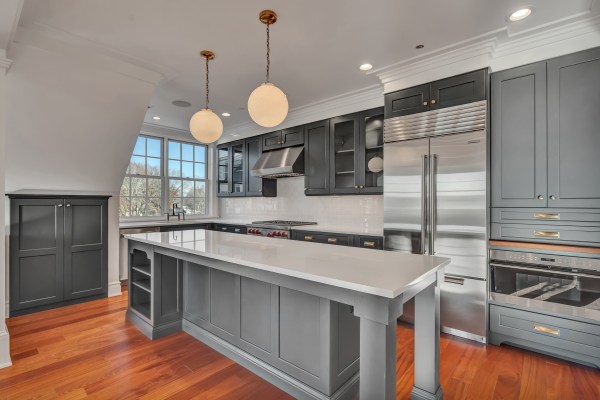
Gold, copper, and bronze are appearing in kitchen and bathroom designs, but not in the polished and shiny way of the 70s. Brushed brass is a fresh look for all who are tired of the cool metal tones. 

The new trend doesn’t mean you should swap all your hardware, light fixtures, and plumbing over to gold or brass – especially if you are not sure if you love the look. Mixing metals allows you to incorporate warm and cool tones. When done right, mixing gold and silver creates eclectic spaces, making it look like items have been collected over the years. 

Keep reading for the dos and don’ts of mixing metals in interior design.

Do: Choose One Dominant Metal

One metal should stand out as the most prominent in any space. To keep the balance, select one metal for larger features or decor pieces and then choose one to two metals for accent pieces. 

Don’t: Mix More than 3 Metals

Matching all finishes creates an outdated, monochromatic look. On the other hand, mixing too many metals creates a distraction for the eye. In a smaller space, select two metals: one dominant and one accent. In a larger room, you can go up to three metals, especially if the third is for a statement piece. 

Do: Mix Warm and Cool Tones

Warm metals include gold, brass, and nickel. These rich colors add a pop to any room. Cool colors, such as silver and stainless steel, can be mixed with warmer hues. All metals can go together, as long as each finish is a thoughtful addition to the overall decor. 

Don’t: Forget about Texture

Polished, hammered, and matte finishes change the look and feel of each metal. Consider changing up the texture of the metals throughout the space, as well as the metals being used. 

Do: Space Metals Out

Metal on top of metal can make a room feel too industrial and cold. Spread out metals throughout the room, both horizontally and vertically, for a finished look. 

Don’t: Disregard Small Accents 

If you are easing into the thought of mixing metals, you can begin with small decor pieces like a small sculpture or understated light fixture. This keeps it subtle while adding a new dynamic to the room. 

We’d love to hear your thoughts! Do you love the look of mixing metals or do you think it’s just a fad?

4 Benefits to Nest Thermostats

Smart and green.

More and more aspects of the home are becoming advanced. Smart appliances coupled with sustainable products allow homeowners to increase efficiency, decrease energy usage, and save money. 

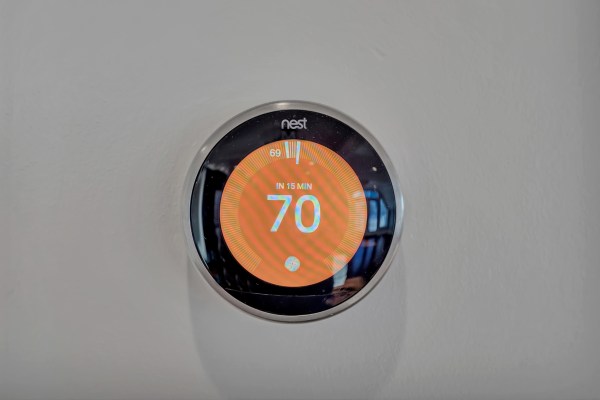
Thermostats and heating systems are a major player in the home’s energy usage and costs. Nest Thermostats take the guesswork out of saving energy, making it the first thermostat to become ENERGY STAR certified by the Environmental Protection Agency. Here’s why we decided to install Nest Thermostats in all the units at the Residences at 66 High Street

No Programming Required

Programmable thermostats help you become more efficient with energy and save money. The problem is they can be complicated to figure out, and only allow for 2-3 changes throughout the day.

Nest Thermostats learn your schedule, your preferences, changes in the season, and even your home’s heating and cooling system. After a few days, the thermostat knows when to turn the temperature up or down. Once it learns your preferences, you don’t have to make any adjustments. The best part? You start seeing your monetary savings right away. 

Control from Anywhere

Let’s say you are off of your typical schedule – you are working late, or are getting home earlier than expected. You have the ability to control the temperature from your phone. This ensures energy savings when the house is empty and comfortable temperatures when you arrive home. 

Proven to Save Energy

Heating and cooling a house account for nearly 50% of all energy usage. Studies have shown that Nest Thermostats saves homeowners 10%-12% on heating and 15% on cooling. In addition, an Eco Temperature setting takes over when Nest Thermostat senses you are away for an extended time. This helps save even more, without the hassle of changing the programming. 

Nest Leaf 

The Nest Leaf collects and analyzes data from your home. Based on that data, Nest offers ways for you to save even more energy. A Green Leaf that appears on the thermostat is your signal – simply press it to learn about ways you can save. 

This type of technology is the future of the Smart Home: saving energy and money, without the need to program. 

Do you have a Nest Thermostat? Tell us about your experience with it!


10 Tips to Stay Warm at Home this Winter

Winter weather means spending more time cozied up inside. Staying warm during the coldest season of the year doesn’t have to equate to sky-high heating costs. With some preparation, you and your budget can stay comfortable all year long. 

Incorporate some (or all) of these tips for added warmth this winter.

Programmable Thermostat 

A programmable thermostat, like Nest, makes your heating more efficient. Set your thermostat to a comfortable setting for times you will be home.  Lower the temperature during times the house is empty or when everyone is asleep. An automatic schedule ensures the heat doesn’t stay on high all day long and keeps the house toasty when people are there. 

Let in the Light

Window curtains can do more than give privacy. During the day, when the sun is shining, open the drapes. Even with cold temperatures, the sun’s light is warm. Once the sun goes down, close the curtains to prevent heat from escaping through the windows. You can even purchase insulated curtains for winter use. 

Check the Furnace

Make sure your furnace is in good working order with a simple tune-up. Also, check the furnace filter. If it is dirty, replace it with a new filter to maximize the efficiency of the furnace. 

Seal Gaps and Leaks 

Doors, windows, attics, and basements can have leaks, letting the cold air in during the winter. Finding and sealing these leaks is a simple solution to retaining heat. This do-it-yourself guide from energystar.gov provides more information on how to seal leaks. You can also use draft stoppers for doors where you feel cold air sneaking in. 

Check Vents and Radiators

Vents and radiators that are blocked will produce heat that is blocked. Move furniture away from vents and heaters so that warm air can blow into the room being heated.  

Rugs on Hardwood

Bare hardwood floors can account for heat loss. Grab some area rugs for extra warmth in the rooms you utilize most. 

Reverse Ceiling Fans

We all know that warm air rises, but did you know your ceiling fan can push that warm air back down? The trick is to reverse the motion of the blades, so the fan moves clockwise. 

Radiant Floors

If you want to go a step up from area rugs, radiant floors are the way to go. While more expensive than carpet, radiant heating systems evenly distribute heat that slowly rises to the rest of the room. 

Insulation

Poor insulation equals a loss of heat and a loss of money during the winter months. Check to make sure you have proper insulation. This will help to keep you warm while keeping energy costs low. 

HVAC Zoning System

An HVAC zoning system allows each area of the home to stay at a different temperature. You can keep the most-used rooms warm while lowering the temperature in rooms that are rarely used. 

Living in a region with cold winters means you can appreciate the beauty of the season. It also means you need to prepare your home for the changing temperatures. 

How do you stay warm in winter?


Design-Build vs. Design-Bid-Build

You decided to build.

Do you know what type of build process you want to commit to?

Beyond choosing the right builder, you need to understand how the builder will complete the scope of work. Two methods are design-build and design-bid-build. We go over the differences between these two processes below. 

Design-Build

With design-build, the owner signs just one contract with the builder (or project manager).

Often, design-build companies have their own team to handle all aspects of the project, including design, construction, and all trades. With this type of construction process, the owner has one point of contact, making it easier to communicate. 

The contractor can also hire subcontractors for trades as needed, though they resume all responsibility for the finished project, cost, and schedule. 

Design-Bid-Build

Design-bid-build is the more traditional model in construction. Design and construction are handled by two different companies, with two separate contracts. 

Where does the bidding come in?

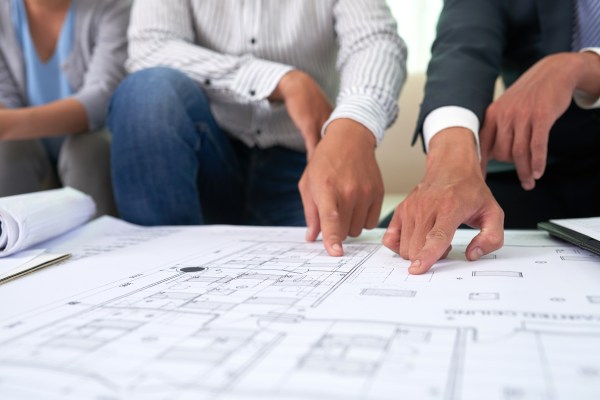
First, the design team works to complete a set of construction documents for the project. From there, various contractors can submit bids for the project. Usually, the work goes to the lowest bidder. This can help to ensure the cost of construction will stay low. When communication between all parties is strong, this process is effective. 

When completing new construction, it is most important to feel comfortable with who you are working with. From there, you can discuss the type of building process that best fits your needs. 


Refrigerators Trends for Function and Style

When we work on residential units, we pay attention to every detail of the build, from the blueprints to the appliances. Advances in technology and new styles are making kitchen appliances more efficient and easier to use. 

The refrigerator is one point of the kitchen work triangle – a design principle stating that the fridge, sink, and stove should all be in close proximity for a streamlined workflow. 

As one of the most prominent items in the kitchen, it’s essential that the refrigerator doesn’t just keep food items fresh, but that it blends with the style of the kitchen. 

In recent years, refrigerators have upgraded in both style and functionality. Take a look at some of the options for your next kitchen renovation. 

Finishes

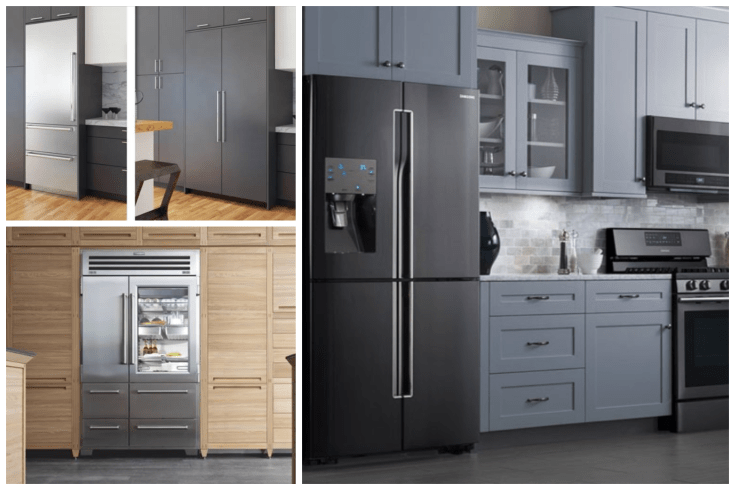
Stainless steel appliances have been at the forefront for years, due to the sleek look, easy maintenance, and ability to match any style. Stainless steel remains a popular choice, even while other finishes are beginning to appear in the kitchen. 

As one of the larger appliances in the kitchen, different refrigerator finishes can change the look of the room. 

Some popular options for refrigerators include:

  • Stainless steel
  • Black matte
  • Custom panels to match cabinets
  • Front window

Refrigerator Configurations

We’ve all had to reorganize the refrigerator after a grocery haul. Different food compartments, shelving, and drink storage make organization much easier. Full-size refrigerator units now include many different configurations. These include:

  • Side-by-side
  • Freezer on the top
  • Freezer on the bottom
  • French door refrigerators

Additional, smaller refrigerators can also be installed to make either the kitchen or adjoining rooms more functional. Wine fridges are popular in dining rooms or as part of a wet bar, while refrigerator drawers can provide extra storage in the kitchen. 

Food Preservation

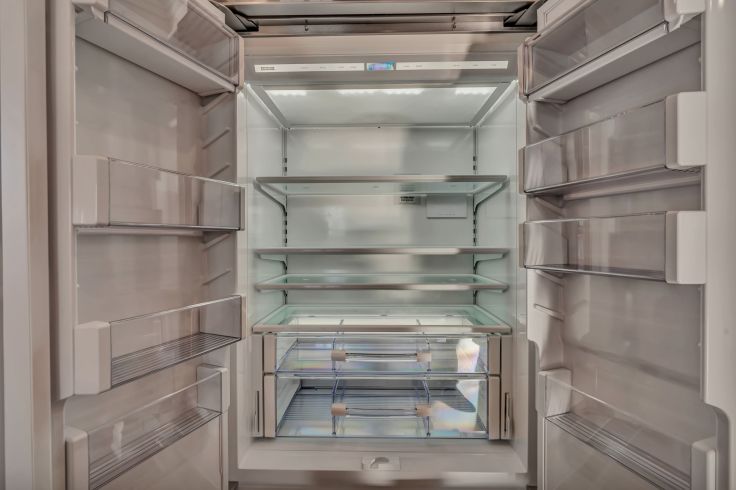
Without functionality, style won’t matter. Upgraded technology ensures that proper humidity, temperature control, and air quality preserve foods. Airtight crispers, along with endless shelf and storage options, means you can get a refrigerator that best suits the needs of your family. 


4 Types of Construction Contracts 

A construction contract is a legal agreement between all parties involved. Construction projects have numerous people involved both on and off-site: the project manager, owner, designer, contractors, subcontractors, and more. To ensure all parties involved are protected, the contract must be clear and agreed upon by all. 

Construction contracts clearly state project compensation, responsibilities of all involved, and risks assumed by all parties. 

The following contract types are used in construction projects and are customized to meet the needs of each new build. 

Lump Sum or Fixed Price Contract

A lump sum, or fixed price, contract includes a total fixed price for the entire project. The contractor estimates the total cost of the project, including costs associated with overhead and risk. With a lump sum contract, the contractor assumes all risk. Incentives or penalties can be included in the contract for timeline adjustments.

Cost Plus Contract

With a cost plus contract, the contractor is paid for actual purchases and labor costs. A pre-negotiated amount to cover the contractor’s overhead is also included. All expenses are classified as either direct or indirect. 

In this type of contract, the owner assumes all risk and is involved in construction administration. In addition, there is no incentive to reduce labor costs by finishing ahead of schedule. 

The most common variations for a cost plus contract are:

  • Cost Plus Fixed Fee
  • Cost Plus Fixed Percentage
  • Cost Plus with Guaranteed Maximum Price Contract
  • Cost Plus with Guaranteed Maximum Price and Bonus Contract

Time and Materials Contracts

With a time and materials contract, the owner and contractor agree on an hourly or daily rate. Similar to a cost plus contract, all fees must be included and classified as direct or indirect. Overhead and markup costs also need to be added, and owners can put a cap in place. Time and materials contracts are most often used for a small scope of work. 

Unit Pricing Contracts

For larger scopes of work, builders and federal agencies will often use a unit pricing contract. This contract determines the payment for a specific task (i.e., the number of residential units), which is multiplied by the quantity of that task. With unit pricing, the exact price will not be known until the project is completed. 

The type of project you are working on will determine what contract you will need. Always review your contract in full and discuss any questions with your builder or project manager. 


2019 HOBI Awards

Last week, we attended the 2019 HOBI Awards. We are proud to announce we left with two new awards for the Residences at 66 High Street

Best Luxury Condominium Community

and

Best Luxury Condominium 

The HOBI’s, or Home Building Industry Awards, are prestigious awards given by the Home Builders & Remodelers Association of Connecticut. For 25 years, awards have been given to builders, developers, architects, and construction companies for outstanding work.

This is our fourth consecutive year taking part in the HOBI awards. Each year, we look forward to the awards ceremony, where we connect with other industry members, learn about projects in the state, and celebrate the hard work of everyone on our team. 

Additional HOBI Awards given to The Horton Group include:

2018 HOBI Awards:

  • Best Condominium Community 
  • Best Condominium Unit
  • Outstanding New Haven County New Commerical for 350 Goose Lane
  • Outstanding Vacation Remodel for 21 Palms, Marathon, FL

2017 HOBI Awards:

  • Best Luxury Condominium Community
  • Outstanding Luxury Condominium
  • Best Luxury Townhouse

2016 HOBI Awards:

  • 2016 Project of the Year
  • Best Condominium Community
  • Best Luxury Condominium Unit
  • Best Historic Rehab Overall

As we reflect on 2019, we want to say thank you to all who support our work. Keep following along, because exciting things are coming in 2020!

Benefits of a Hot Water Recirculating Pump

Most of us like to step into a hot shower to begin or end the day. How many times have you turned on the water, and then proceeded to brush your teeth or lay out your clothes as you wait for the water to get warm? 

In the average household, the shower uses two gallons of water per minute. If you and the other members of your home wait just two minutes for the water to heat up before every shower, it adds up to a significant waste of water. Hot water recirculation systems instantly provide water at a comfortable temperature, increasing comfort and optimizing energy consumption.

What is a Hot Water Recirculation System?

In systems without a recirculation pump, water sits in the pipes and must be pumped out of the faucet or showerhead. If the faucet has been off, this water will come out cold.

With a recirculation pump, cooled water is pumped through pipes back to the water heater to get heated, and a dedicated hot water line pumps water to faucets. The water is continuously recirculated, which means you don’t have to wait for hot water; it comes out instantaneously. 

A recirculation pump can be easily installed to the point of water distribution, without the need for additional piping. Of course, hot water doesn’t need to be recirculated all day long. To improve the efficiency of your recirculation pump, you can put the pump on a timer or use a hot water demand pump. 

Benefits of Hot Water Recirculation

The most apparent benefit of hot water recirculation is comfort. Recirculation pumps allow for more precise control over water temperature. Water instantly comes out to your preferred temperature, and remains steady throughout the shower, so you don’t finish rinsing off in lukewarm water. In addition, you don’t waste time checking to see if the water is warm enough.

Recirculation pumps also save water from being wasted. Each time you wait two minutes before stepping into the shower, you waste four gallons of water. A hot water recirculation pump eliminates the need to wait for the water to become warm, saving time, water, and energy. 


Recycling Construction Materials

Sustainability and green living is becoming more evident in homes and workplaces. It’s one thing to create a green finished product; it’s just as important to make the construction process environmentally friendly. 

Construction & Demolition Materials

Many of the materials used in construction can be recycled. Construction & demolition (C&D) waste comes from building and tearing down houses, buildings, roads, and bridges. C&D materials can be recycled in the following ways:

  • Concrete rubble can be reused in new projects. 
  • Wood can be recycled into mulch, compost, animal bedding, wood pellets, and more.
  • Gypsum drywall can be recycled into new drywall, in the production of cement, and as an additive to composting operations.
  • Asphalt can be recycled an endless number of times, as it never loses quality.
  • Metals can be sent to metal scrap yards and reused.

Additional materials that can be recycled include glass, cardboard, and paper.

Many C&D materials can be reused. During a demolition or remodel, items that can be reused in new projects should be removed carefully before tearing anything down. Items that can be reused include:

  • Doors
  • Hardware
  • Appliances
  • Lighting fixtures
  • Windows
  • Brick and masonry
  • Excess insulation
  • Paint
  • Packaging materials 

Benefits of Recycling C&D Materials

In 2015 alone, 548 million tons of C&D debris was created, with 90% coming from demolition, according to the United States Environmental Protection Agency. Recycling construction materials has both environmental and economic benefits. 

When recycled materials are used, the consumption of natural resources is decreased, saving energy. By reusing materials, less waste goes to landfills. Since landfills are filling quickly, it often costs more money to dispose of materials than it does to recycle them. This can help to reduce the building project expenses. 

Whether recycling of reusing materials, planning is essential to fulfill rules and regulations. Local recycling centers, landfills, and waste departments all work with construction companies to reduce waste and achieve green building practices. 


Website Built with WordPress.com.

Up ↑