Fiberglass vs. Spray Foam Insulation

Insulation may be hidden behind the walls, but it plays a big role in keeping you comfortable all year long. 

The job of insulation is to keep the house warm during the winter and cool during summer. With heating and cooling accounting for about half of the energy used in the home, proper insulation can cut back on energy usage and save homeowners money. 

Keep reading for a comparison between two types of insulation: fiberglass and spray foam. 

Fiberglass
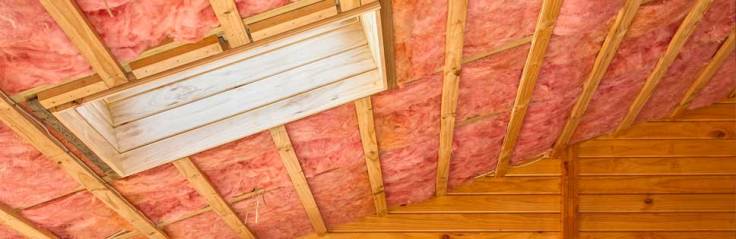
Fiberglass insulation is the more traditional form of insulation. This type of insulation comes in pre-cut rolls or blown-in loose fill. It works to regulate air temperature by trapping air inside tiny glass fibers, slowing the transfer of heat. 

Pros of Fiberglass

Fiberglass insulation is inexpensive to install when compared to other types of insulation. It comes in pre-made R-Values, and it maintains performance levels for an extended period of time. Fiberglass is also easy to install.

Cons of Fiberglass

Though commonly used and easy to install, fiberglass is not as effective as spray foam at maintaining comfortable temperatures. Fiberglass cannot fit into every crevice, which can allow for air leaks. This is especially true in colder regions.

Spray Foam

Spray foam insulation is newer than fiberglass and is becoming more popular in homes. Spray foam is installed by spraying a polyurethane foam into walls and ceilings. The foam expands to create an airtight seal. Spray foam can be used as the primary method of insulation or as a supplement to existing insulation.

Pros of Spray Foam

Since spray foam creates an airtight seal, it protects against pests, rodents, and mold, in addition to its insulating properties. It is more energy-efficient than fiberglass, sealing off any crevices so air cannot leak in. It also has a longer lifespan, because it does not break down or sag over time.

Cons of Spray Foam

Spray foam is more expensive than fiberglass. In addition, spray foam should be applied by a professional, which increases the cost even more. The installation process can be messy, so make sure you work with a professional who has experience with spray foam.

If you are ready for new insulation, speak with your contractor to determine what type is the best option for your home. 


Design-Build vs. Design-Bid-Build

You decided to build.

Do you know what type of build process you want to commit to?

Beyond choosing the right builder, you need to understand how the builder will complete the scope of work. Two methods are design-build and design-bid-build. We go over the differences between these two processes below. 

Design-Build

With design-build, the owner signs just one contract with the builder (or project manager).

Often, design-build companies have their own team to handle all aspects of the project, including design, construction, and all trades. With this type of construction process, the owner has one point of contact, making it easier to communicate. 

The contractor can also hire subcontractors for trades as needed, though they resume all responsibility for the finished project, cost, and schedule. 

Design-Bid-Build

Design-bid-build is the more traditional model in construction. Design and construction are handled by two different companies, with two separate contracts. 

Where does the bidding come in?

First, the design team works to complete a set of construction documents for the project. From there, various contractors can submit bids for the project. Usually, the work goes to the lowest bidder. This can help to ensure the cost of construction will stay low. When communication between all parties is strong, this process is effective. 

When completing new construction, it is most important to feel comfortable with who you are working with. From there, you can discuss the type of building process that best fits your needs. 


Recycling Construction Materials

Sustainability and green living is becoming more evident in homes and workplaces. It’s one thing to create a green finished product; it’s just as important to make the construction process environmentally friendly. 

Construction & Demolition Materials

Many of the materials used in construction can be recycled. Construction & demolition (C&D) waste comes from building and tearing down houses, buildings, roads, and bridges. C&D materials can be recycled in the following ways:

  • Concrete rubble can be reused in new projects. 
  • Wood can be recycled into mulch, compost, animal bedding, wood pellets, and more.
  • Gypsum drywall can be recycled into new drywall, in the production of cement, and as an additive to composting operations.
  • Asphalt can be recycled an endless number of times, as it never loses quality.
  • Metals can be sent to metal scrap yards and reused.

Additional materials that can be recycled include glass, cardboard, and paper.

Many C&D materials can be reused. During a demolition or remodel, items that can be reused in new projects should be removed carefully before tearing anything down. Items that can be reused include:

  • Doors
  • Hardware
  • Appliances
  • Lighting fixtures
  • Windows
  • Brick and masonry
  • Excess insulation
  • Paint
  • Packaging materials 

Benefits of Recycling C&D Materials

In 2015 alone, 548 million tons of C&D debris was created, with 90% coming from demolition, according to the United States Environmental Protection Agency. Recycling construction materials has both environmental and economic benefits. 

When recycled materials are used, the consumption of natural resources is decreased, saving energy. By reusing materials, less waste goes to landfills. Since landfills are filling quickly, it often costs more money to dispose of materials than it does to recycle them. This can help to reduce the building project expenses. 

Whether recycling of reusing materials, planning is essential to fulfill rules and regulations. Local recycling centers, landfills, and waste departments all work with construction companies to reduce waste and achieve green building practices. 


Website Built with WordPress.com.

Up ↑