What Makes a Property Energy Efficient?

Inefficient energy consumption is harmful to the environment and causes energy bills to skyrocket. At Horton Group, we aim to provide high-quality products that are economically and environmentally sustainable. We strive for energy efficiency, which saves future buyers and tenants money, while doing our part to save the environment.

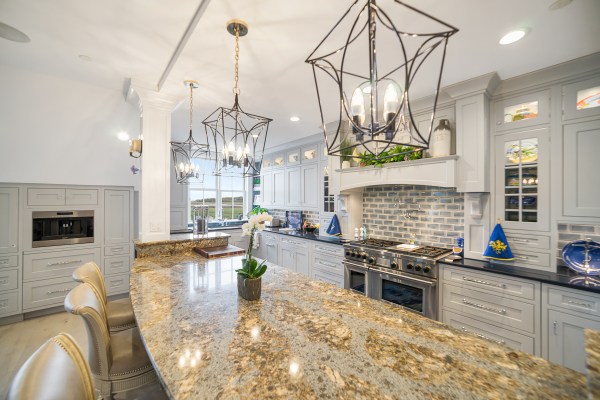
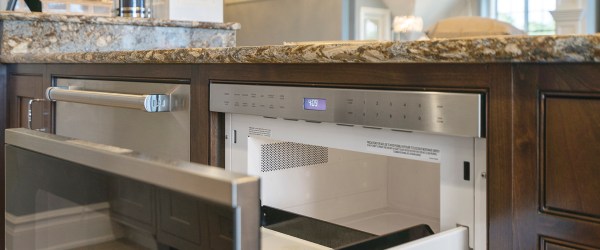
While the term is often thrown around, people seldom understand the many factors that go into making a structure truly energy efficient. From the early stages of design and construction, to the appliances and systems set in place near completion, our projects like The Residences at 66 High Street implement building technologies to ensure energy efficiency. These include:

Using the above building techniques and appliances, along with those available on the Department of Energy website, developers, homeowners, and business owners can play a major role in reducing emissions for the sake of the environment and their savings. Energy efficient building techniques can reduce energy costs to a fraction of the overall average.

Energy efficiency in both new and old buildings is a low-risk investment. Occupants are sure to save substantial sums of money as a result of drastically lower energy costs. For investors, developers, and builders, any extra time and money spent on energy efficiency will pay off.

 

What’s it like living at 66 High Street?

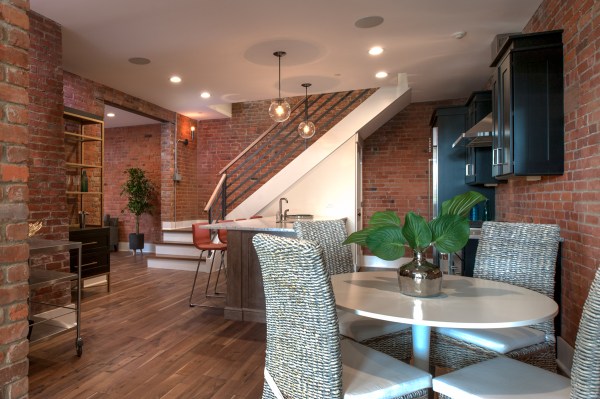
Kathy Moniello, a resident at The Residences at 66 High Street, shares her experience of living in one of the luxury condominiums in Guilford. 

After selling an oceanfront home in Westbrook, Kathy moved to High Street in December 2017. “Because I was leaving something so beautiful, I knew I couldn’t settle,” she said. The Residences at 66 High Street have not disappointed.

“Everytime I pull in and see the beautiful grounds and walk to my unit, I feel joy and pride in ownership.” 

From the high-end units, to the friendly and supportive residents, to the helpful team at The Horton Group, Kathy has settled in to a new life in Guilford.

The high-end look and feel of 66 High Street, including the property, amenities, and individual units, is something Kathy appreciates. Within her unit, she loves the top of the line appliances, ample storage, and ability to customize to her needs and style. With the fitness room being completed, residents are bringing in a personal trainer for group classes a few times a week. Kathy is also looking forward to the proposed pool.

It’s easy to be captivated by a luxurious unit, but when paired with incredible neighbors, that unit becomes home. “I don’t know how we have attracted so many wonderful people,” says Kathy. The residents help each other out, spend time with each other, and have created a strong bond. “Last week,” she says, “we were all out with our dogs, then before you know it everyone went to get a bottle of wine. Someone got the pizza they were making, and we were all over at my unit having a little party.”

The Horton Group has spared no expense building the Residences at 66 High Street.

“They have been amazing throughout the entire process,” Kathy explained. “Whether it is Earl, Kenny, or Jason, they want the very best outcome.”

Kathy’s unit was completely finished when she bought it, but she wanted to make some changes, including switching to a stackable washer dryer and installing a central vac system. “This can be difficult to do post construction, but instead of saying, ‘It can’t be done,’ Jason came in, looked at what I wanted and said, ‘This is how we can make it happen.’”

By paying attention to every detail during the development, building, and marketing of 66 High Street, The Horton Group built more than luxury condominiums. They built an unparalleled community. And it was just what Kathy was searching for.


Interested in the Residences at 66 High Street? Schedule a showing today.

What is Engineered Hardwood Flooring?

Hardwood floors are a sought after finish in any home. Hardwood floors create a high-end look, are durable and easy to clean, and have a low-allergy surface. But solid hardwood flooring can expand, contract, and warp during warm or humid months. This is why we choose to install engineered hardwood flooring from Neal’s Wood Flooring in The Residences at 66 High Street.

What is Engineered Hardwood Flooring?

Engineered hardwood flooring is made up of several layers. The top and bottom layers are 100% natural wood. The middle layers consist of plywood, hardwood, or fiberboard, and are crossed in different directions. Engineered hardwood flooring is typically between ⅜” and ¾” thick.

What are the benefits?

The construction of engineered hardwood flooring prevents warping and bowing, leaving you with durable, long-lasting floors. This allows you to install engineered hardwood flooring in areas of the home that are subject to moisture, such as basements or bathrooms. In these rooms, installation should occur with a protective moisture barrier.

What type of wood can be found in engineered flooring?

When it comes to engineered wood flooring, the possibilities are endless. You can find just about any type of wood, including hickory, oak, maple, walnut, birch, tigerwood, and even bamboo. You also have options for the surface finish, including wide or narrow boards, gloss or matte finish, or hand-scraped or distress for a rustic appearance.

Getting the right look is important when choosing wood floors. Depending on the room size, flow of traffic, and level of the room, some options will be more suitable than others. Neal’s Wood Floors answers some additional frequently asked questions here.


Certificate of Occupancy: What is a CO?

Certificates of occupancy (CO) determine whether a building is suitable for living or working. The primary purpose of a CO is to:

  1. Dictate a structure’s function. Functions of a structure can include residential, retail, commercial, or industrial properties.
  2. Determine if the structure is suitable for occupancy. Structure is suitable for occupancy so long as it complies with all standards and codes related to its function.
  3. Make sure a structure complies with building codes.

While requirements for COs may vary depending on location, they are typically needed in a number of different instances, which include:

  • New construction.
  • Property conversion – when the function of a building changes. The Residences at 66 High Street are an example, as the history industrial Mill Building was turned into residential units.
  • Change of ownership.
  • Major construction – Any construction that changes the occupancy of the property or alters the entrance or exit of the property.

Certificates of occupancy are ultimately awarded if the structure passes a number of inspections, which include plumbing, electrical, fire safety, and general building.


Custom Kitchens: Know the Process

Creating a custom kitchen can be an exciting and overwhelming task. Depending on who you work with, the process and timeline will vary, but each phase is an important step in getting the kitchen of your dreams.

  • Choose who to work with. In this preliminary phase, it is important to find a designer or contractor who you trust and understands your vision. Most will complete this phase at no cost or obligation. Be sure to:
    • Ask to see past projects to get a feel of the designer or contractor’s work.
    • Give your budget and explain your non-negotiables in regards to amenities, products, and style.
    • Discuss the timeline. How long will your project take?
    • Review preliminary ideas, styles, and designs with the contractor or designer.
    • Get an estimate of the work to be done.

At Horton Group, we choose to work with Bender, for their award-winning work and unbeatable customer service.

  • Design. Once you have chosen who to work with, the fun part of design begins. This is when you will place your first deposit and meet to develop the following:
    • Layout and floor plan for the kitchen and cabinets.
    • Selection of material and hardware for cabinets.
    • Selection of tile, appliances, countertops and plumbing fixtures.
  • Manufacturing. Depending on what you are getting, this phase can take weeks or even months. Remember that custom cabinetry is built to match your style, needs, and measurements of your space. Request updates throughout this process to put your mind at ease.
  • Installation. See your vision come to life! Contractors will generally begin by installing cabinetry, followed by countertops, plumbing, lighting, and tiling. Once installation is complete it is time to enjoy your custom kitchen!

Going custom is your chance to create the exact kitchen you want, so take your time, stick the decisions you know will work for you, and know that the wait for completion will be worth it!


How to Downsize to a Condo

Follow these tips to get rid of unneeded possessions and make the most of your new space.

Downsizing can seem like a daunting task. Most people have a habit of collecting “stuff” throughout their lives – whether it is memorabilia, more furniture to fill a bigger home, or equipment for landscaping a yard. When the time comes to downsize or move into a condo, it can prove to be a difficult task, especially when emotions are involved. Here are some tips to help you through the process:

Start small

Choose a room you seldom use to begin. Start with the big pieces in the room, such as the furniture. Is there a specific spot for that couch in your new place? From there, move to other objects in the room. When was the last time you used it? If the answer is several months ago, it is time to let it go. From there, go to the next room. Before you know it, you will have cleared out many non-essential items from your home.

Start Selling

Selling your used items has never been easier. You no longer need to plan and hold a yard sale, hoping people show up. Simply take pictures, and upload with a short description to one of the apps below. Ebay and craigslist are still relevant, but here are some others that may be more convenient or get you more money:

Prioritize

If you know the layout of the condo you are moving into, measure the rooms and prioritize. What furniture is essential for the living room, bedroom, and dining area? If the furniture you own is too large, sell and look for something smaller. In the kitchen, separate your most used items from those you rarely (or never) use. You can also get rid of duplicate items as you go through your belongings.

Think Storage and Multipurpose

Storage is key for living in small spaces. At the Residences at 66 High Street, storage space is provided to residents to ease the transition from house to condo. If extra storage space is not an option, multipurpose furniture items are key. Ottomans with tops that lift can store extra items in the living area. Hanging shoe racks help to make the most of your closet space. Use the wall or ceiling for a rack to hang pots and pans in the kitchen. You’ll realize there are plenty of places to store items when you get creative.

Ask for help

When it comes to your most sentimental items, ask for help from somebody you trust, or hire a professional organizer. Create four piles: keep, sell, donate, or toss. As you go through your possessions, put each in a pile, and stick to your decisions! You can also consider taking a picture of meaningful memorabilia so you can look back at it without taking up any space.

If you are thinking of downsizing, you are not alone. This survey by Trulia shows that 60% of people who currently live in a home larger than 2,000 square feet want to downsize the next time they move. Tiny houses are also becoming more popular options for people who want to own an affordable home. Whatever the reason, downsizing your living space means downsizing your material possessions, leaving you with less clutter, less costs, and possibly a bit more peace of mind.


Flood Zones and FEMA Compliant Building

Overlooking the marsh and Long Island Sound, it should not come as a surprise that the property at The Residences at 66 High Street sits within a flood zone. But what does this mean and why is there no reason to worry?

As described by the Federal Emergency Management Agency (FEMA), flood zones vary based on location. At low elevation and in close proximity to the ocean, the site at 66 High Street lies in a Special Flood Hazard Area (SFHA). An SFHA is an area that can become flooded in the event of a 1-percent annual chance flood, also known as a base or 100-year flood. For more details about SFHAs, as well as moderate and minimal flood hazard areas, check out FEMA’s explanation.

See here how the property falls within the base flood zone. All structures comply with FEMA standards. Living spaces have been raised seventeen feet, seven feet above the 100-year floodplain. Raising the first floor of the Whitfield, Leete, and Chittenden buildings allowed us to conveniently place resident parking in the new buildings underground.

As a result of adapting to meet flood management regulations, flood insurance costs are a mere fraction of what they otherwise would have been. In addition to the security systems in place on site, the storm-resilient buildings at 66 High Street can provide residents with a furthered sense of security and peace of mind.

Website Built with WordPress.com.

Up ↑