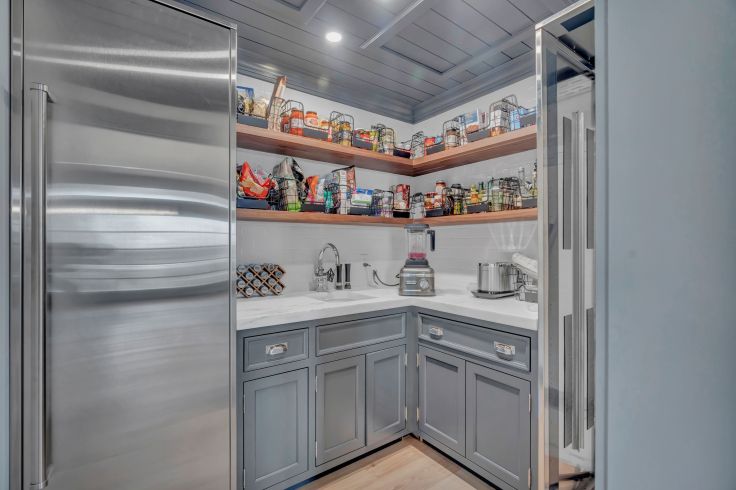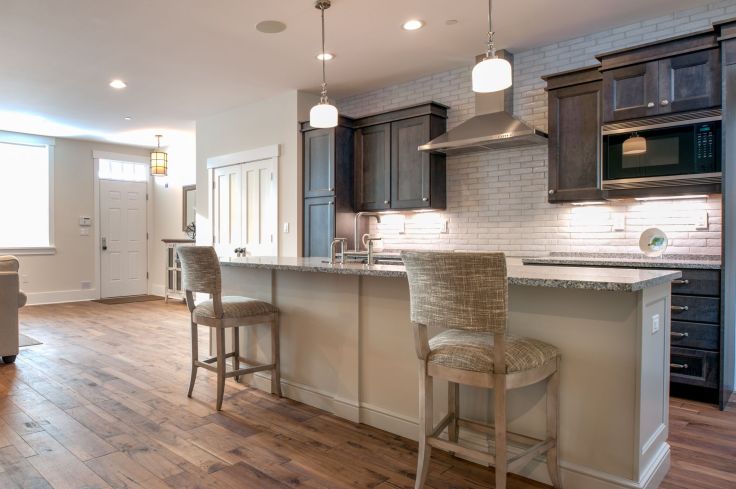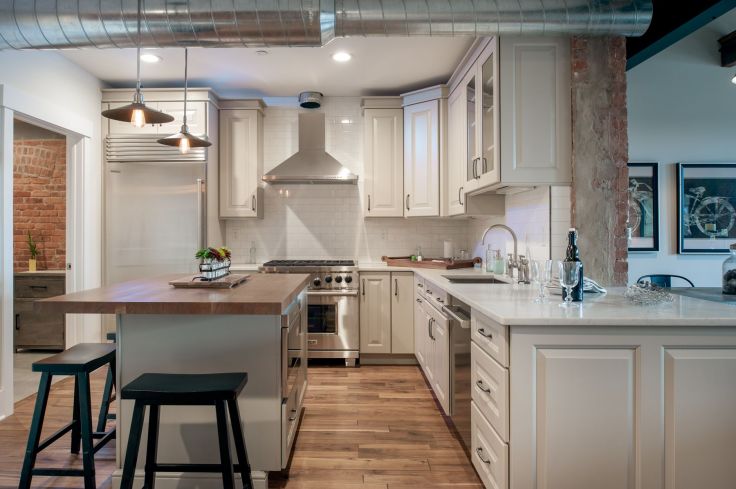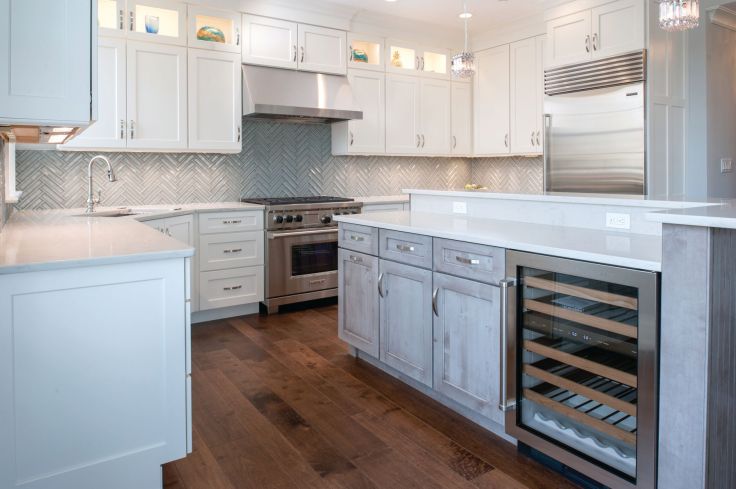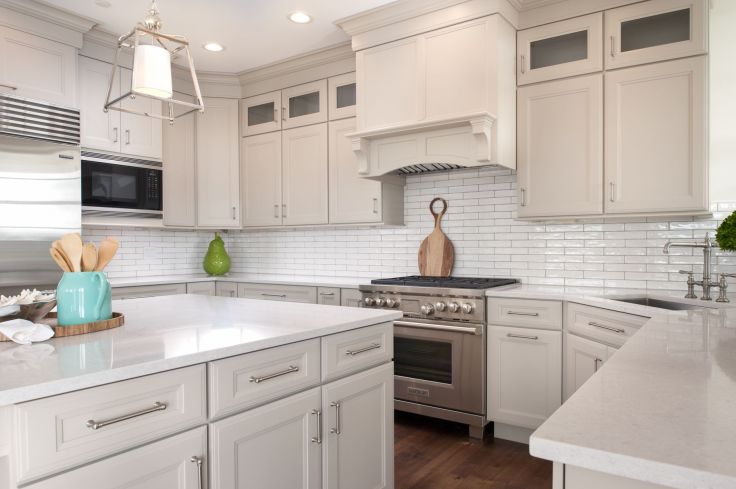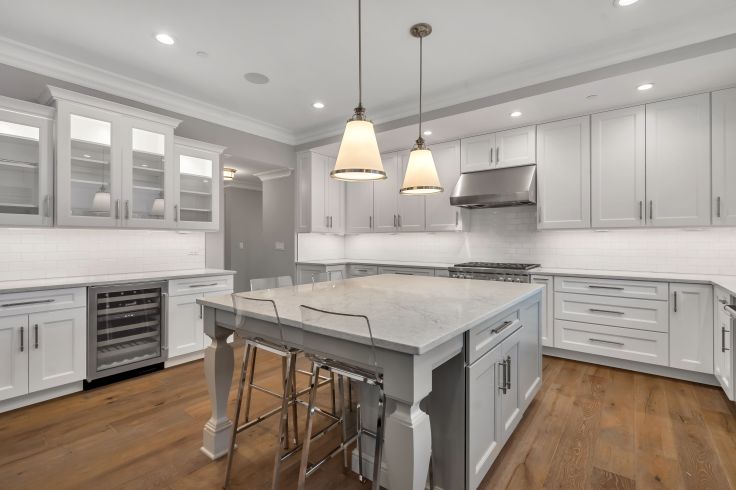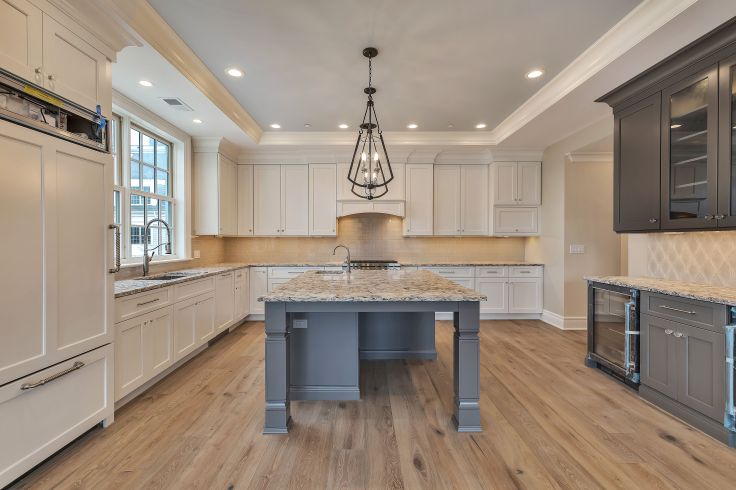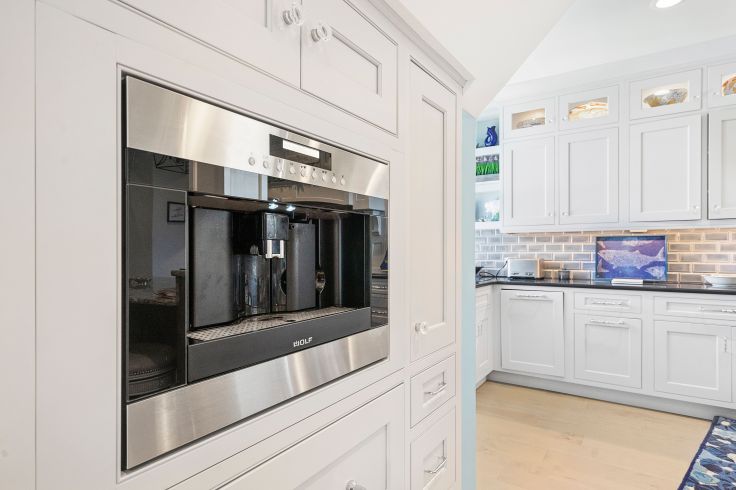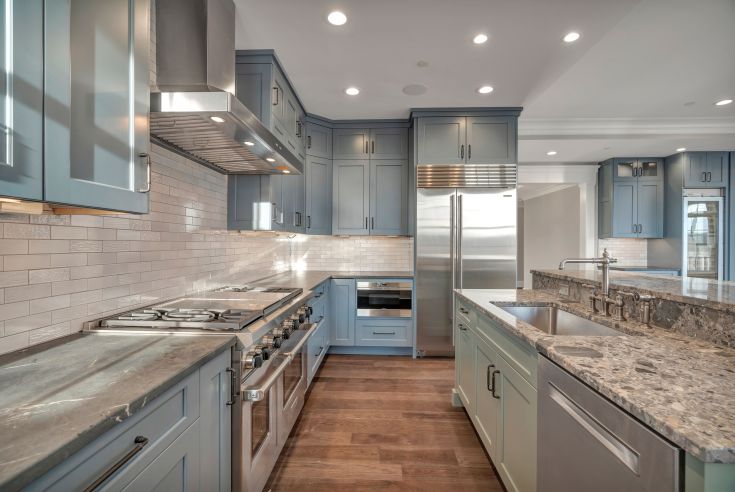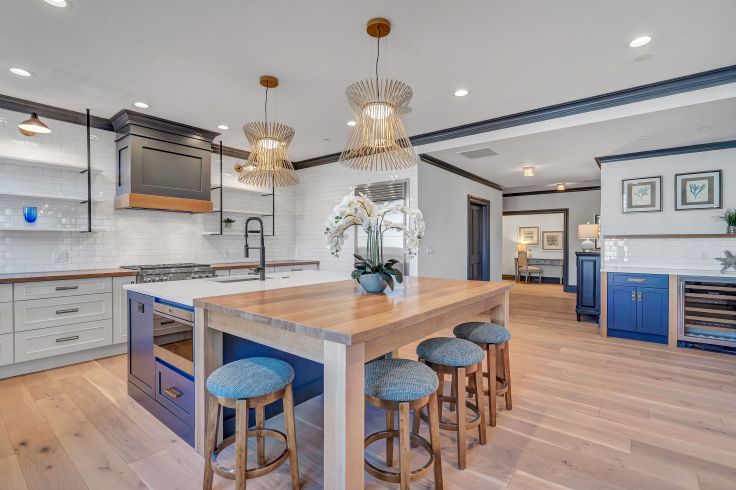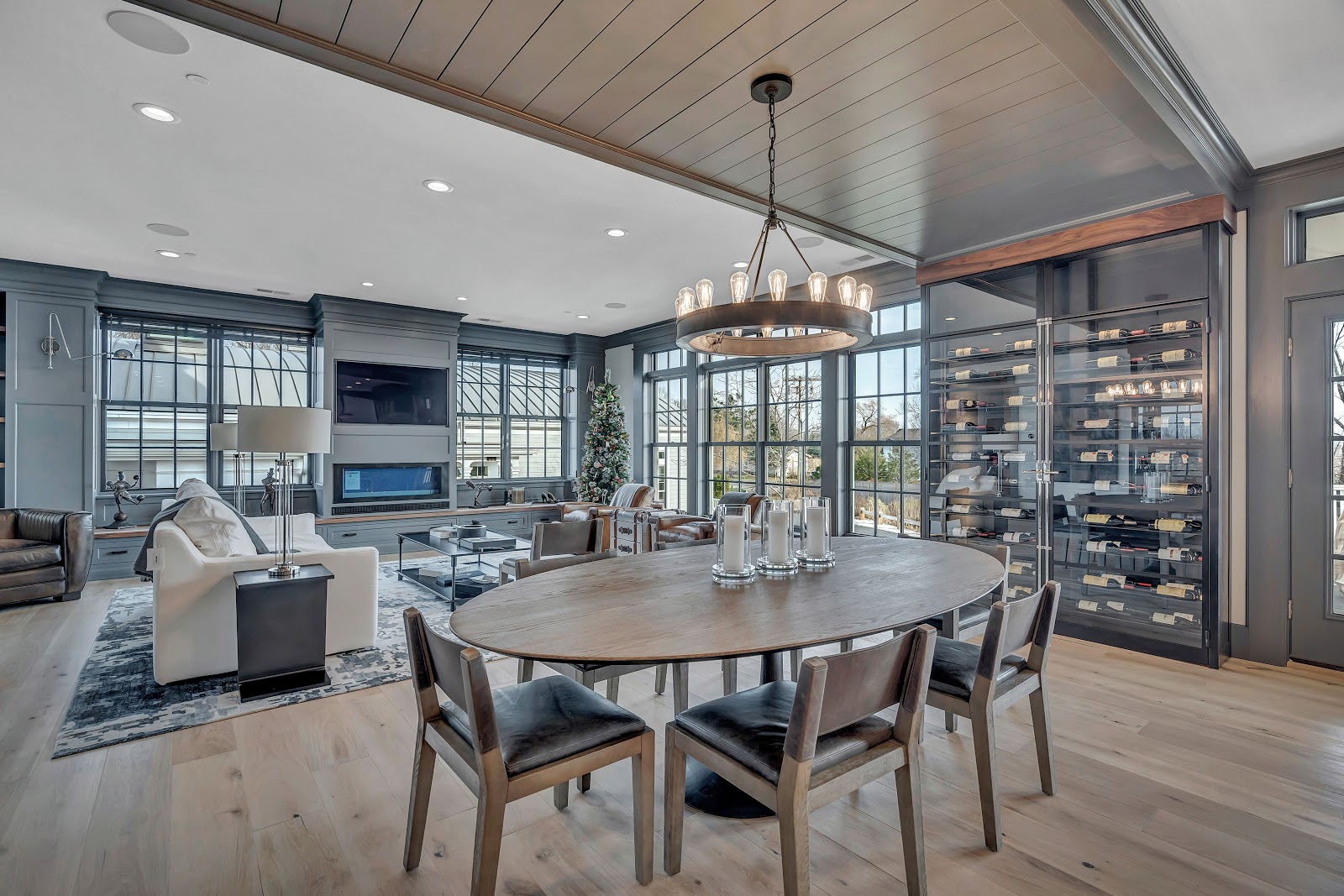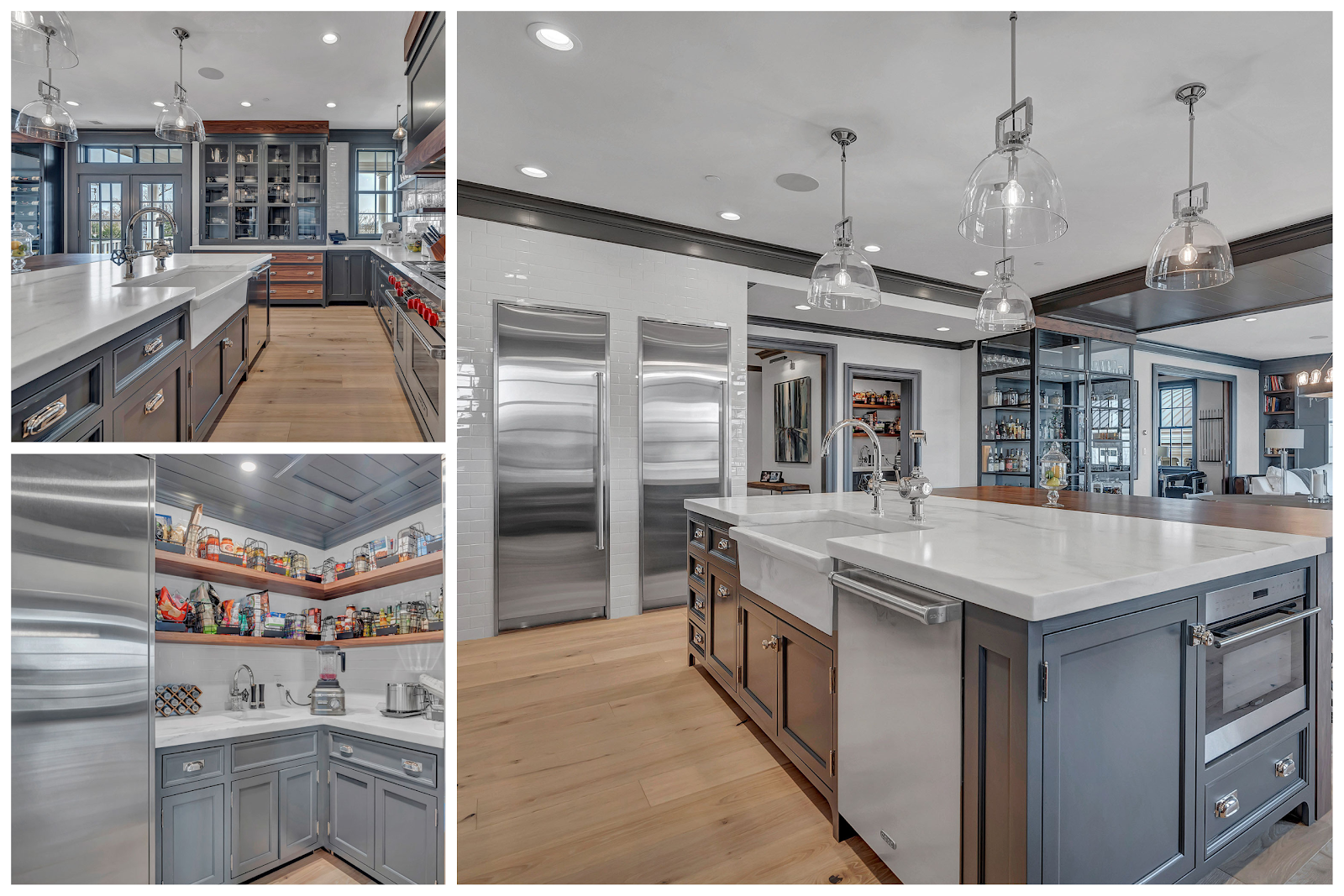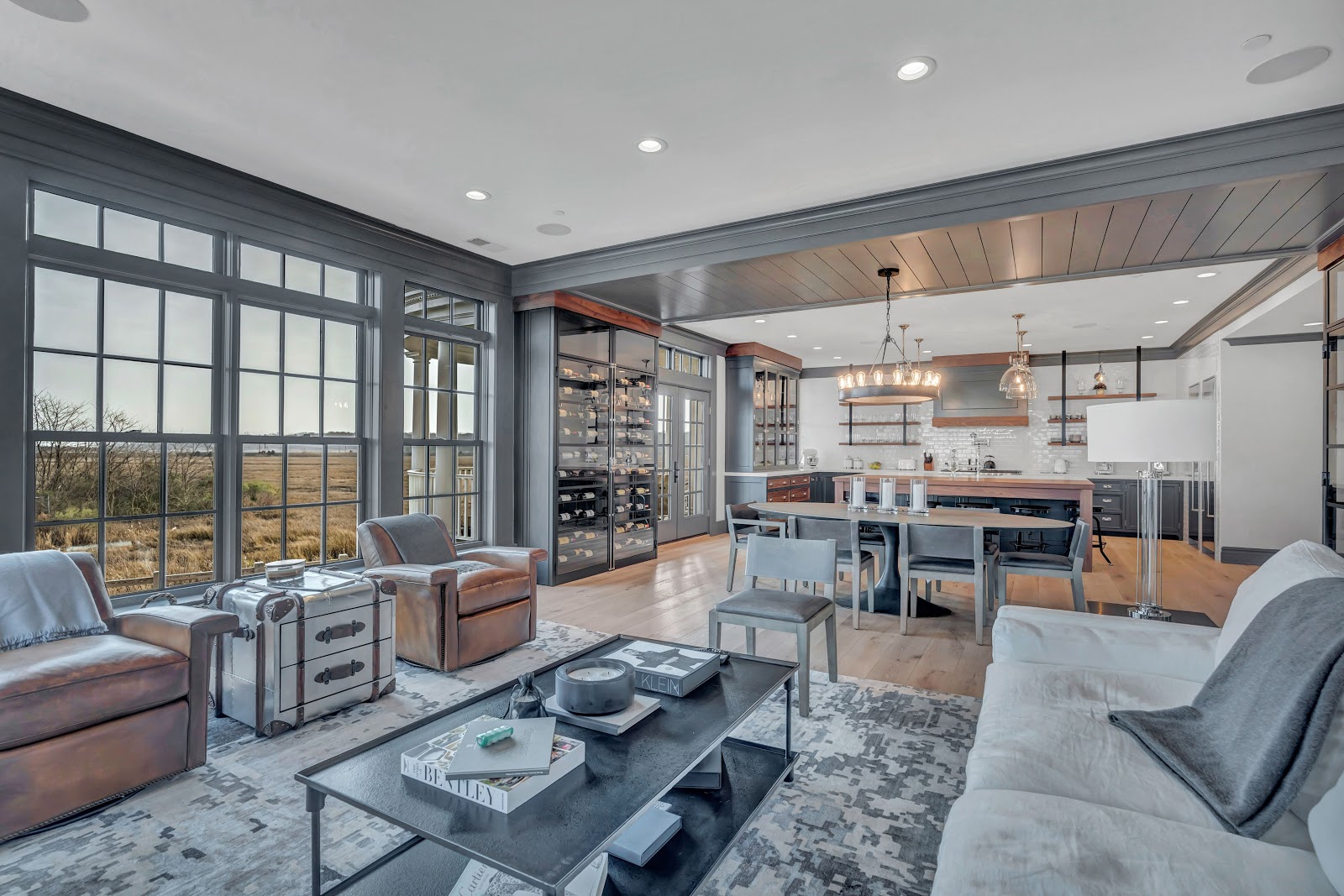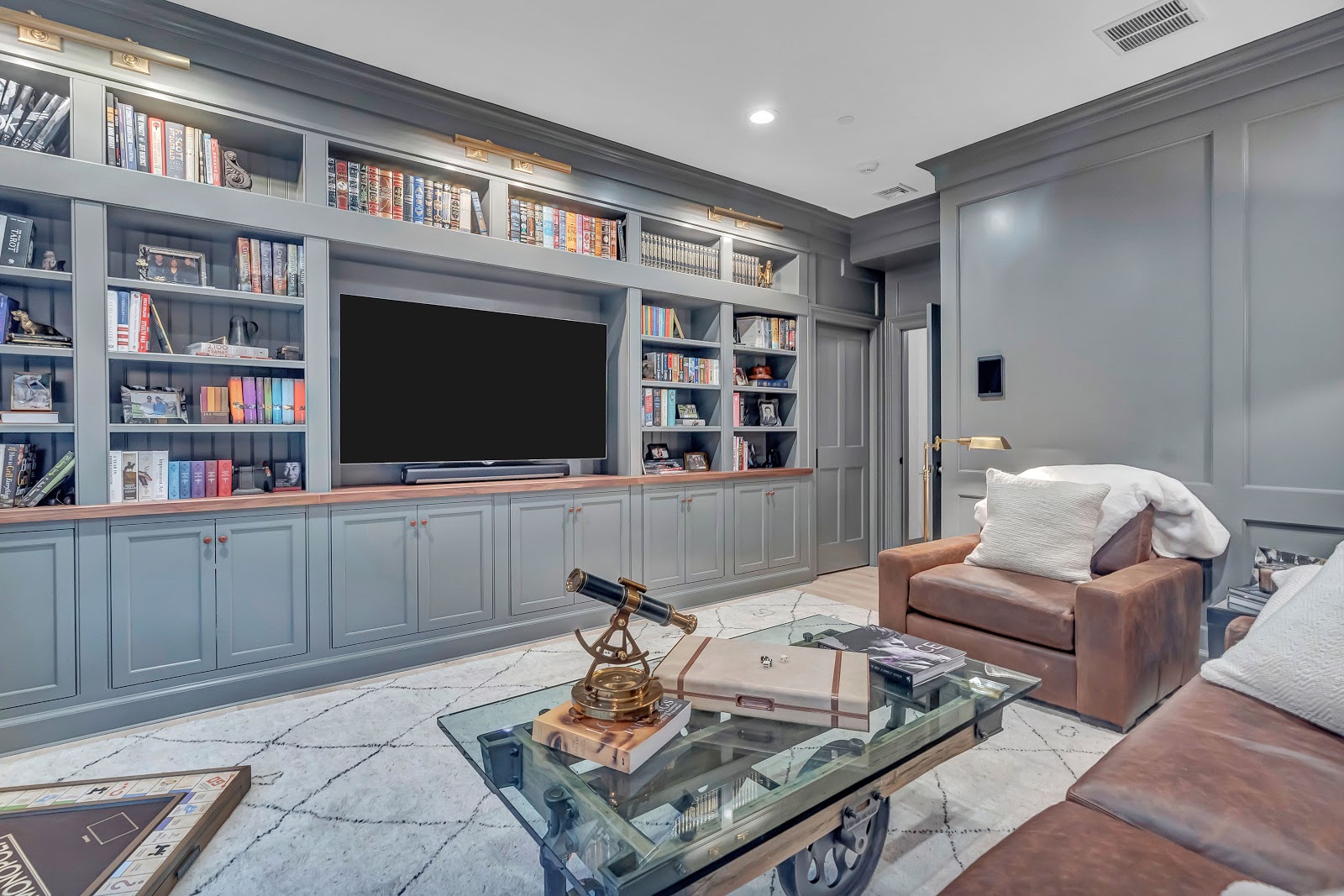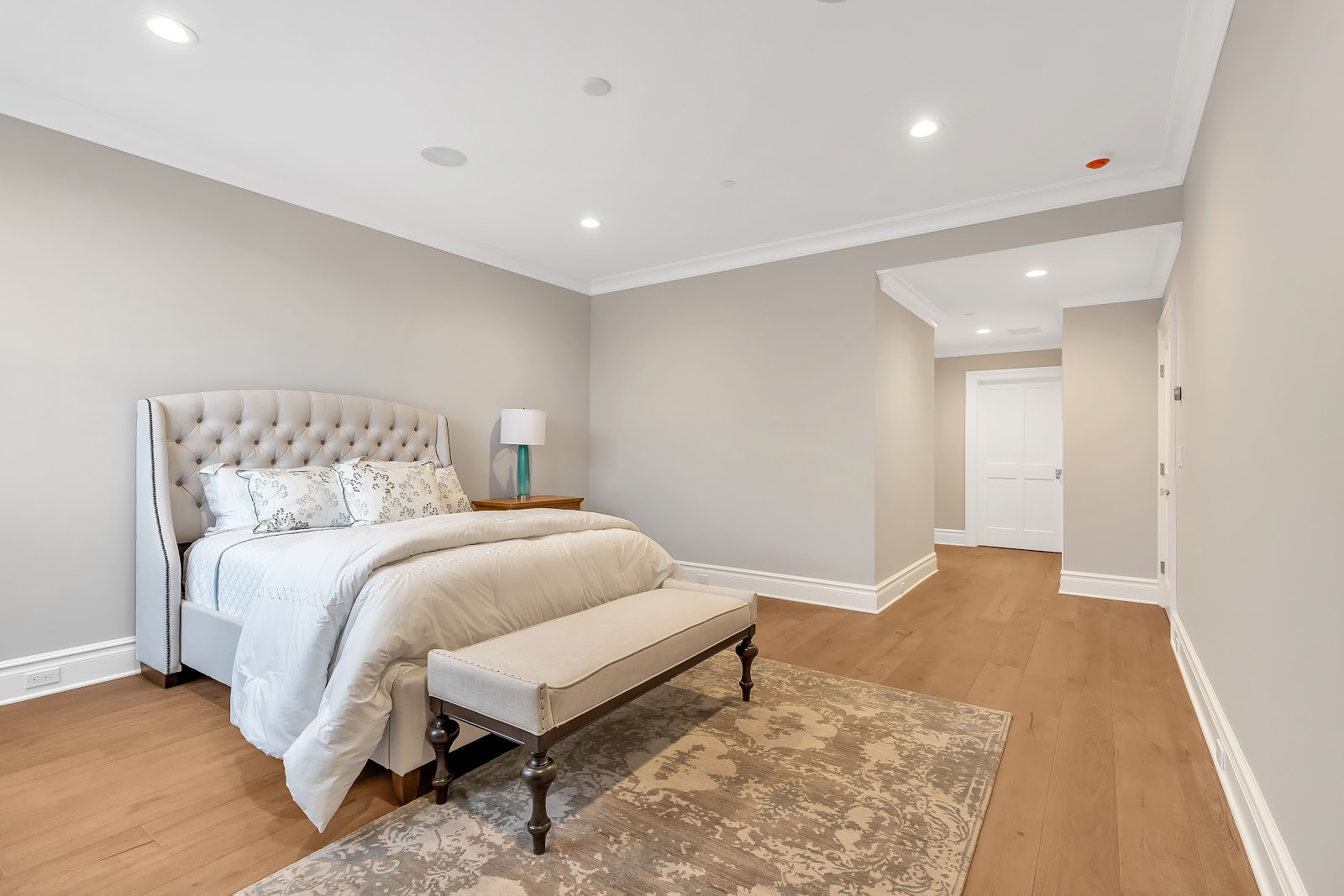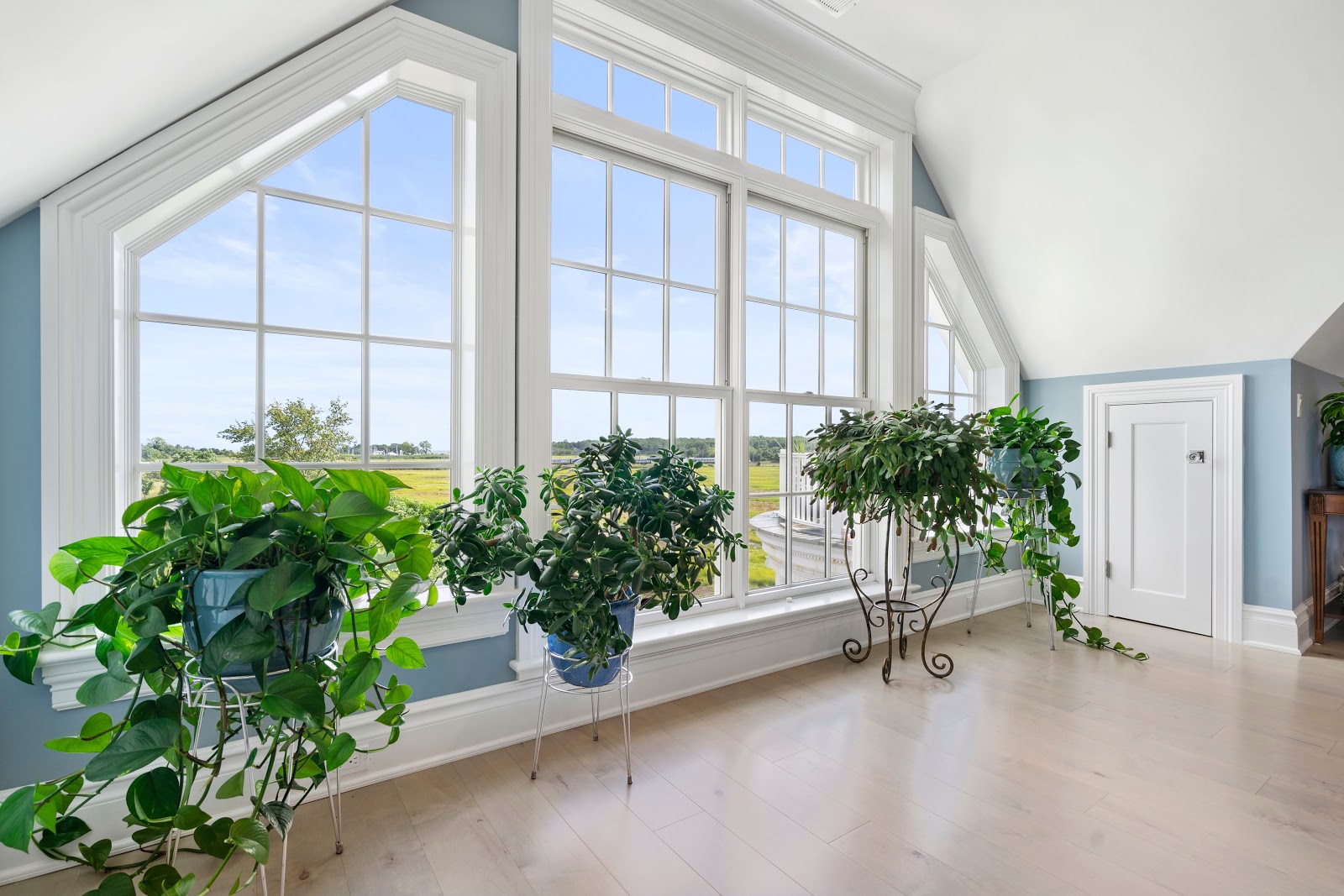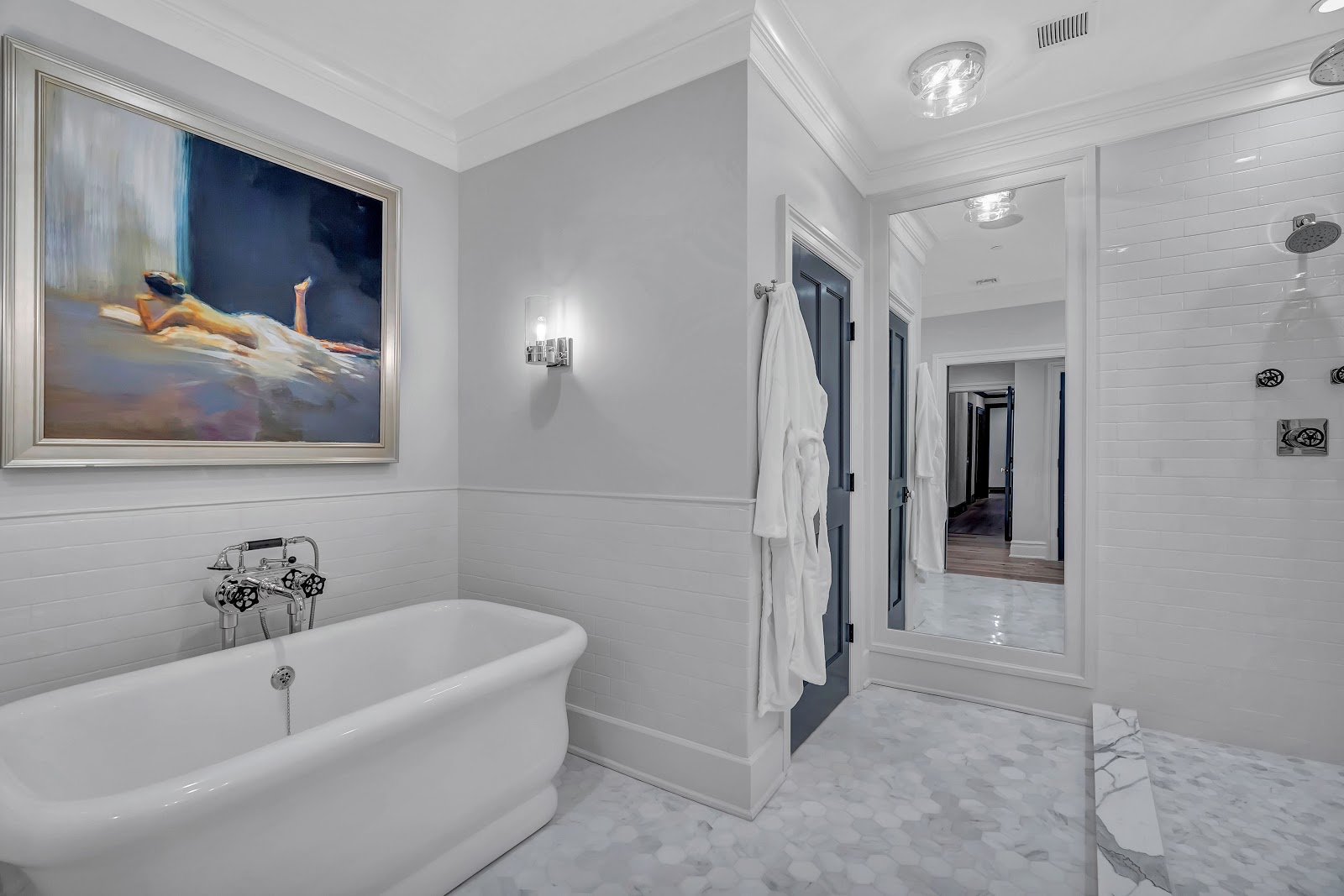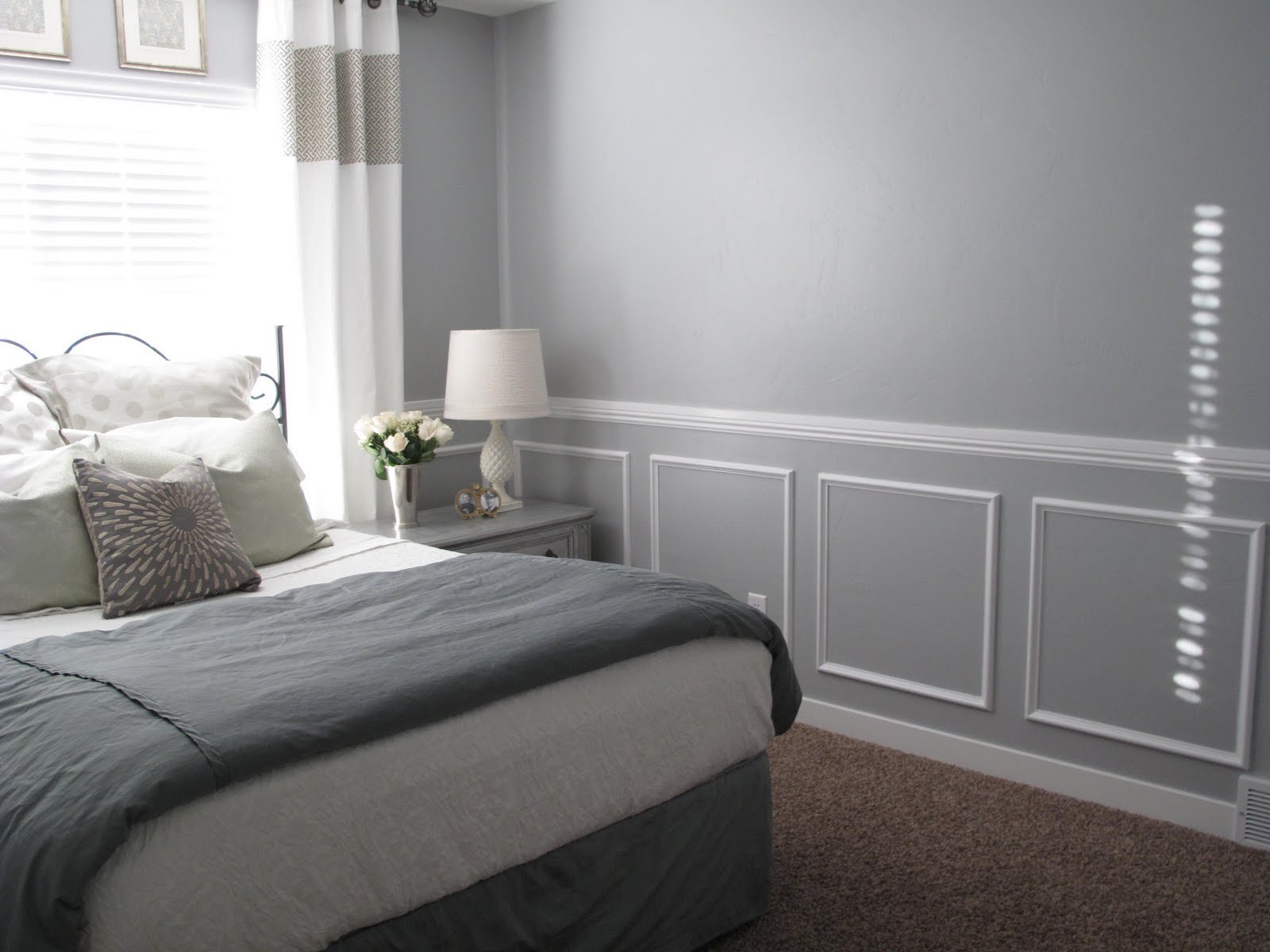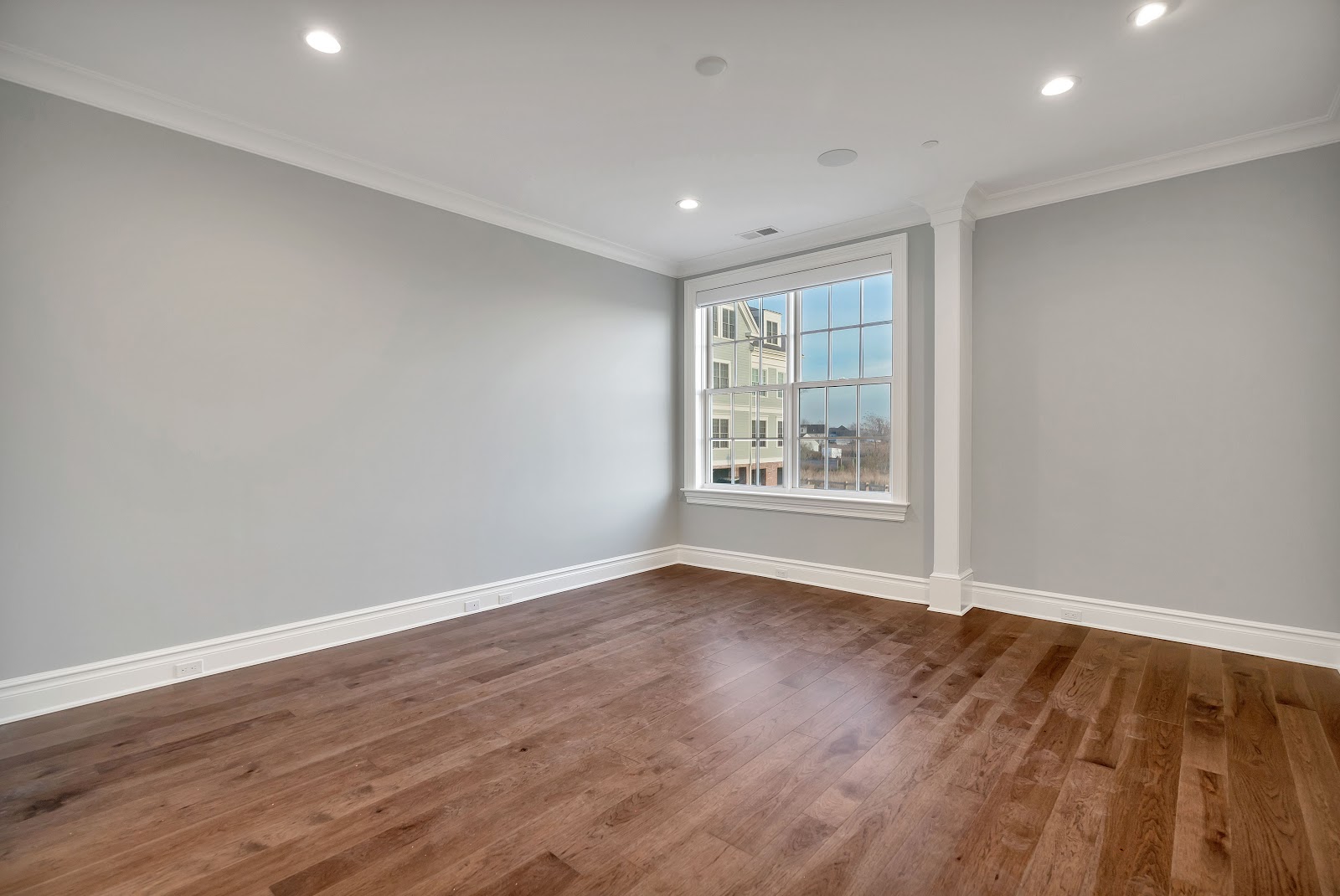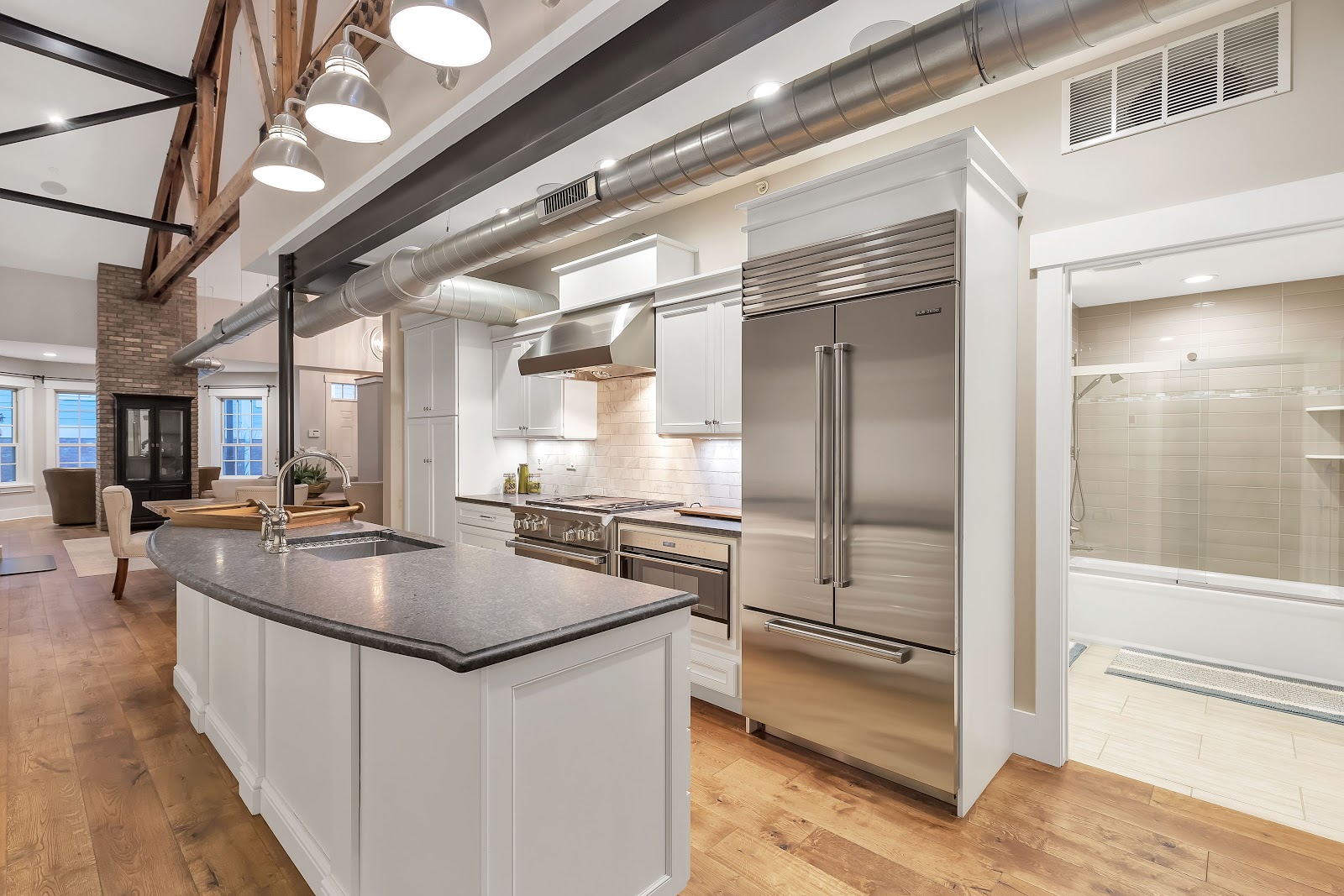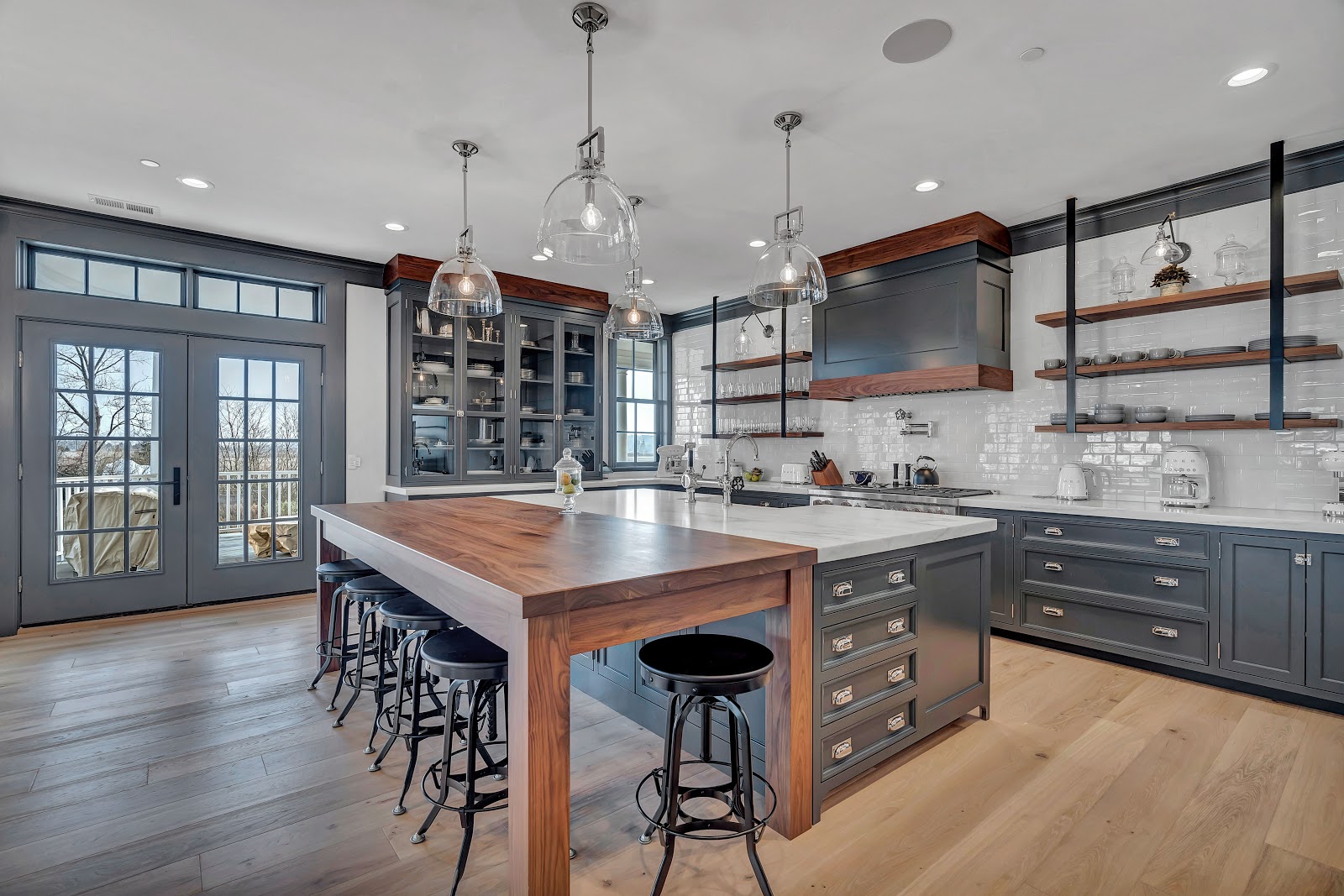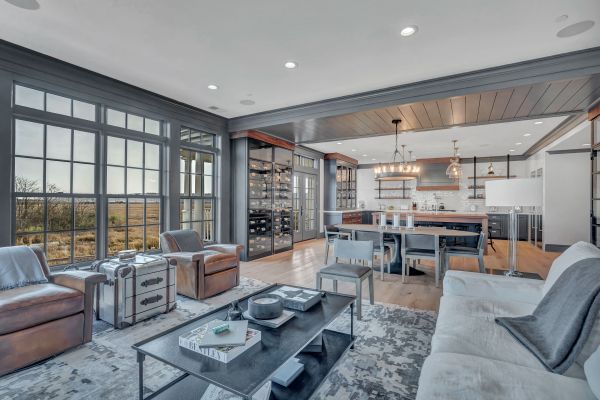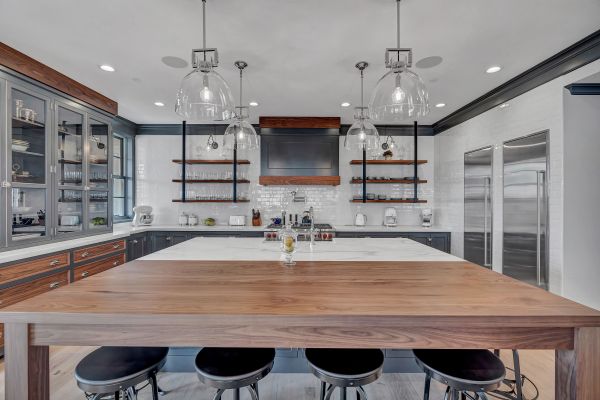
Kitchens at 66 High Street

From the historic Mill Building to brand new Whitfield and Leete Buildings, every kitchen at the Residences at 66 High Street is customized to meet the needs of the owners. 

As the social hub of the home, today’s kitchen is a place that is on display in an open floor plan. To accommodate for both function and style, we’ve worked with incredible interior designers to achieve the goals of each resident. 

Scroll through to take a look at some of the 66 High Street kitchens, and perhaps get some inspiration for your own!

What is your favorite kitchen? Let us know in the comments!
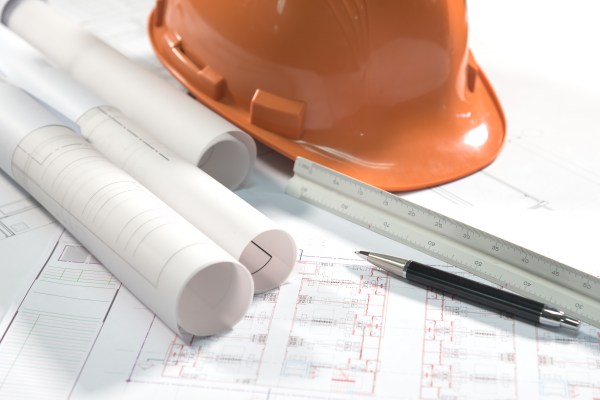
When do you need a Building Permit?

We know many people are taking on home improvements this year, and with good reason! Updating your home to improve function and design makes it more comfortable and can increase the property value. 

Before you get started on your projects, it’s essential to follow protocol and safety regulations. Depending on the project, this may include obtaining a building permit. 

What is a Building Permit?

A building permit records any changes you make to your property with your town. When you apply for a building permit, it also ensures that the remodeling project will be reviewed by an inspector and deemed safe for current and future residents. 

In addition to keeping your home improvements up to current safety standards, building permits are also proof that you complied with all building codes. Should you decide to sell your home in the future, it’s essential to have this documentation. 

When is a Permit Needed?

Home improvement projects that include structural, electrical, plumbing, or mechanical work generally require a building permit. Here’s a breakdown:

  • Structural Work: Changes to the structure of your property, including changes to load-bearing walls, foundation, roofing, decks, and balconies, require a permit. Your contractor will typically obtain the permit prior to construction.
  • Electrical Work: Simple jobs like installing a new light fixture does not require a permit, but changes to outlets, wiring, or overhead lighting does. 
  • Plumbing: Whether you install new plumbing or replace existing plumbing, a permit will most likely be required.
  • Heating and Mechanical: Any changes made to heating or ventilation requires a permit. This includes work on fireplaces and ducts. 
  • Window Installations: Any time you have to cut holes for window installations, whether installing a new window or replacing an old window with a larger version, you will need a permit. 
  • Additions and Remodels: Any new construction, including an addition or remodel, requires a permit. This includes detached garages and sheds. 

If you are unsure whether or not you need a permit, make sure you talk with a professional. Generally, your builder or contractor will obtain any permits required, so you don’t have to worry about completing the paperwork. 

8 Simple Tips for a Greener Home

When you incorporate green practices at home, you use less electricity and water. In addition to reducing your carbon footprint, you’ll reduce your monthly bills, saving you money every month. 

Not all sustainable choices are difficult to implement or impossible to keep up with. In fact, there are many simple ways to go green in your own home, starting today. 

Keep reading for 8 simple ways to make your home more sustainable. 

Unplug

One of the easiest ways to save energy is to unplug devices when they are not being used. When you keep appliances plugged in, they continue to suck up electricity even when they are not powered on. Get in the habit of unplugging toasters, heaters, coffee makers, and fans when not in use. You can also use a smart power strip in your home office or entertainment center. These power strips cut power off and save energy when devices are in standby mode. 

Program Your Thermostat

A programmable thermostat allows you to monitor your heating and cooling systems. This allows you to easily use less energy when you are at work or traveling, and keeps your preferred temperature while you are home.

The Nest Thermostat takes programming to the next level. This ENERGY STAR thermostat learns what temperature you like and builds a schedule for you. It also provides maintenance reminders and HVAC system alerts to keep your system in the best condition. 

Stock Your Freezer

A full freezer works more efficiently than one that is nearly empty. The freezer works harder, and uses more energy, when cooling down air that comes in every time you open the door. If fully stocked, less air is able to enter, which helps to keep the temperature down while saving energy. 

Seal Your Home

Gaps around windows and doors let hot outside air into the house in the summer, and heat escape in the winter. This makes your HVAC system work harder, wasting energy on heating and cooling. Every year, check for gaps throughout your home. When needed, seal the gaps, and use weather stripping around windows and doors to keep inside air in and outside air out. 

Switch to LED Lighting

LED lightbulbs consume about 80% less energy and last up to 20 times longer than incandescent light bulbs. As light bulbs burn out, make sure you replace them with LED lightbulbs for both interior and exterior lights. 

Fix Leaks

Small toilet or faucet leaks often end up on the to-do list, only to be tended to months later. Even small leaks (like a constant dripping) can waste up to 90 gallons of water per day, according to epa.gov. If you notice a leak, call a plumber to assess how it started, and make sure to fix the issue right away. 

Upgrade Your Insulation

Older homes often lack sufficient insulation. A properly installed home and attic help to keep your home warm in the winter and cool in the summer. This means your HVAC system won’t have to work as hard. 

Purchase Efficient Appliances

When you are replacing appliances, purchase energy-efficient models. You can find ENERGY STAR dishwashers, washing machines, dryers, ovens, and refrigerators. This label verifies that the appliance is energy efficient. In the bathroom, opt for low-flow showerheads and toilets to save water. 

Which of these green tips have you already implemented? Let us know in the comments!
5 Benefits of New Construction

With low inventory in most real estate markets across the country, more buyers are looking at new construction. Whether the home is already being constructed, or you buy a lot and start from scratch, there are many benefits to building a new home.

Move-In Ready

When you buy a previously-lived in property, inevitably, there will be something you want to change. Some homes just need minor improvements, like a fresh coat of paint, while others require a complete gut job. One of the best parts of a new construction home is that it is fully move-in ready. 

You can rest assured that plumbing and electrical are in working order, new appliances are installed and ready for first use, and every room matches your style. The only thing left to do is unpack. 

Designed for You

Starting with the layout, all the way down to countertops and color schemes, new construction is designed for you. 

When building new, you can work with your contractor throughout the entire process to make sure the floorplan meets you and your family’s needs. Open floor plans, high ceilings, and space for a home office, gym, or studio can all be incorporated into your new home.

As construction nears completion, you can select countertops, appliances, colors, light fixtures, and more. Your contractor will guide you through design options while helping you stay within your budget.

Lower Maintenance 

As a homeowner, maintaining your home is essential. With new construction, modern technology keeps maintenance to a minimum. 

Your home will be built to the most up-to-date codes and safety standards, with new plumbing, HVAC, appliances, windows, and roofing. This not only creates less work for you over the years, but maintenance costs will be less as well. 

Energy Efficient

New construction also utilizes green practices for highly efficient homes. Often, a third-party will rate the home’s energy efficiency, ensuring it meets requirements. With proper insulation, high-efficiency appliances and systems, your home will have a low carbon footprint and low utility bills. 

Home Warranty

Builders don’t just walk away after it is completed. A new home comes with a warranty, so you can feel confident about how the construction will hold up over the years. Should any issues arise during the warranty period, the builder will work with you to solve the problem. 

To make the most of these benefits, make sure you find a contractor you like and trust!

A Peek Inside Unit 17

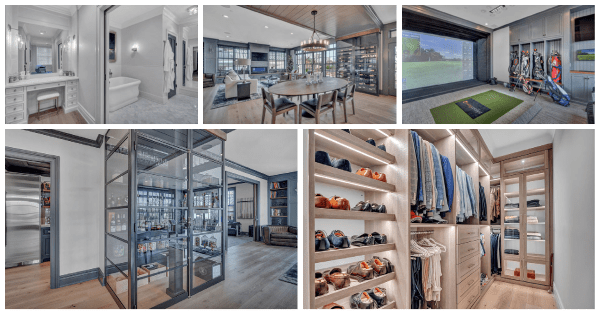
It’s official – there are just two units currently left for sale at The Residences at 66 High Street. Every unit completed has a design all it’s own, while maintaining the sense of luxury that 66 High Street is known for. 

The Horton Group works with residents to customize each unit to feel like home from day one. Unit 17, which recently sold, was no exception. The customized options have us inspired! 

Come take a peek at Unit 17, and learn about some of the build-to-suit options available for the remaining units at 66 High Street!

Color Scheme

Color can completely change the feel in any room. Dark, earthy tones create a grounding space, while neutrals can create a feeling of spaciousness. Pops of color are also an option for those who love a bold statement. Whatever your color preference is, this is an easy customization for any unit. 

Kitchen

The kitchen is one of the most customizable rooms in any unit. Select your preferred appliances, layout, backsplash, and added features. Unit 17 has a walk-in pantry with an extra fridge!

Molding and Trim

Do you love intricate crown molding or modern lines? Another simple way to customize a space is to select your preferred molding and trim throughout the home. 

Flooring

No matter what type of flooring you prefer, there are endless options! If you select wood floors, there are still decisions to be made on the boards’ width, length, and color. You can also decide if you want the same flooring throughout the entire home, or change it up in different living spaces. 

Cabinetry

Custom cabinetry always makes a statement and creates a unique focal point in any room. Design a kitchen to meet your needs, install custom bookshelves in the living room, create the walk-in closet of your dreams, and make sure you have the bathroom storage you need with custom cabinetry. 

Countertops

Granite, quartz, or butcher block? Countertops in the kitchen and bathroom last years, so it’s important that you love the ones installed. After you share your vision with your contractor, you can review options and view samples until you find the countertop of your dreams. 

Custom Additions

When it comes to other custom additions, we are thrilled to make your vision come to life! Unit 17 features custom wine storage in the kitchen and Swing Catalyst for perfecting the golf swing. We have worked with residents to create custom home offices, home bars, and more. These final touches make your unit unique to you – and that’s what makes it feel like home. 

Interested in learning more about the build-to-suit options available at the Residences at 66 High Street? Contact us today!

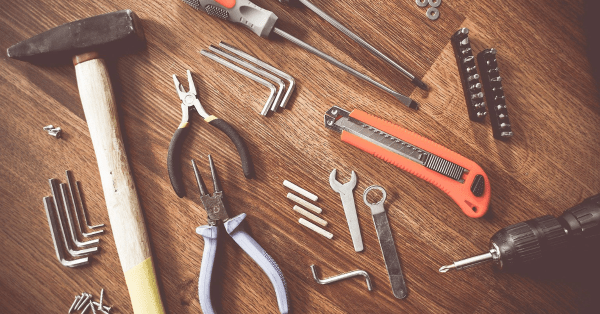
Tools Every Homeowner Should Own

Even if you don’t consider yourself a handyman, having tools at your disposal will help you in a pinch. Whether you need to hang new photos, make minor repairs, or are tackling a DIY project, proper tools will help get the job done. 

Keep reading for a list of essential tools every homeowner needs. 

Measuring Tape

When you are buying new furniture, remodeling a room, or taking on a DIY task, a measuring tape is necessary. Select an easy-locking ¾-inch model at least 25 feet in length for use at home. 

Hammer

A claw hammer is one of the most basic tools because almost every project you take on will require one, from nailing things in place to minor demolition. Choose a hammer that is well-balanced with a comfortable grip. 

Level

Anything you install – from cabinets to shelving to wall art – requires a level. Laser levels make it very easy to be precise, but low-tech levels with floating bubbles are also accurate.

Screwdrivers and Screws

Make sure you have a screwdriver set with a variety of flathead and Phillips head sizes for any project you may need to complete. Of course, you’ll need various sized screws as well. 

Pliers

Vise-grip pliers lock in place, making them a versatile tool for many different uses. Needle nose pliers are essential for electrical work or when you need to reach a tight spot. 

Wrenches

Wrenches are often needed for putting together furniture. An adjustable crescent wrench has jaws that can tighten and loosen, making it great for a basic toolset. You can also invest in a wrench set, with wrenches in a variety of sizes. 

Utility Knife and Wire Cutter

A utility knife, or box cutter, can make precision cuts quickly and easily. Wire cutters are needed for electrical repairs and many craft projects. Both should be in your toolbox. 

Stud Finder

A handheld stud finder finds nails and screws in the wall, making it easy to find a stud when hanging photos or mounting a TV. 

Carpenter’s Square

A carpenter’s square, also called a combination square, is used in various woodworking, metalworking, and masonry projects. This tool helps you find 45 and 90-degree angles. 

Sander

A sander helps to create smooth surfaces for sealing or painting. Handheld sanders are great for many DIY projects and smaller jobs around the house. 

Cordless Drill and Drill Bits

A cordless drill can drill holes in sheetrock, which can aid in hanging curtains, artwork, and mounting items on the wall. Invest in a good set of drill bits to get the most out of your cordless drill.

C-Clamps

C-clamps come in handy for many projects. Clamps hold two materials together in place, making it easier to glue or nail them together. 

When buying tools, think about what you will use the most. Buying tools individually, rather than a complete toolkit, can ensure you only get what you need. Keep your tools well-organized so that when the need arises, you know where to find what you are looking for. 

Home Improvements for Aging in Place

In 2020, many people altered their homes for added comfort, private workspaces, and aging in place. Adults are choosing to forgo moving into a nursing home, whether they stay in their own residence or move in with family. 

You can make several modifications to your home to create an environment that is safe and comfortable for all who live there. Many are simple improvements you can make on your own, while others may require hiring a professional. Keep reading to learn more!

Interior Improvements 

Being able to move about safely, despite age or physical limitations, helps people remain independent. Here are some general modifications you can make to aid in mobility around the house:

  • Install handrails. Handrails aren’t just for stairs. Consider adding handrails in hallways, bedrooms, and bathrooms. 
  • Install a stairlift. If going up and down the stairs is required, a stairlift makes it much more manageable. 
  • Automated features. Automated thermostats, blinds, and lighting allow you to make changes without having to stand up. 
  • Open Floor Plans. When possible, widen doorways and hallways. This is especially helpful for people who use a walker or wheelchair. 
  • Add carpet and anti-slip mats. The carpet adds some extra cushion when walking, and well as traction. Anti-slip strips can be added to the bottom of area rugs to reduce the chances of slipping. Anti-slip mats are also essential for the shower. 
  • Install a walk-in shower. A walk-in makes it easier to get in and out of the shower. Add a bench and handheld shower head for additional ease of use. 
  • Raise the toilet seat. This makes it easier to sit and stand back up. 

Exterior Improvements

A few select changes to the home’s exterior make it easier to come and go and make your outdoor living space more enjoyable for all. 

  • No-step entry. Installing a ramp next to the front or back steps allows easy access in and out of the home. Handrails on both sides of a ramp, and well as any exterior walkways, add extra support. 
  • Modify the door threshold. The slight difference between your porch or ramp and the floor inside the door can be enough to create a tripping hazard. To make a flush threshold, you can raise the porch or replace the doorframe. 
  • Exterior lighting. Ensure all walkways, outdoor living spaces, and entrances are well lit. 
  • Low-maintenance exterior and landscaping. As people age, the exterior of the home is often the most challenging to maintain. Make landscaping easier with an automatic sprinkler system and low-maintenance plants. You can also replace high-maintenance siding for vinyl or brick for less upkeep. 

With some simple features added to your existing space, you can help ensure your home is safe as you or your loved ones grow older. 

Add Architectural Details to Your Home

The difference is always in the details. 

When you walk into a custom home, you can immediately tell the difference. Architectural details can make any space come to life, adding a luxurious and timeless element to your home design.  

Keep reading for simple ways to add architectural details to your home. 

Baseboards

Baseboards cover the joint between the wall and the floor, hiding any imperfections and protecting the wall. Since baseboards run throughout every room in the home, they also serve as a visual link. If your baseboards are outdated, select a new decorative molding, or paint the baseboards to freshen up every room. 

Door and Window Trim

Door and window trim, also called casing, comes in various prefinished and unfinished options, ranging from simple to elaborate. Mitered door casings connect each piece of trim with an angled joint. If your home has high ceilings, butted casing offers a wider head casing for the top of the door, drawing the eye up. 

Crown Molding

Crown molding can be installed where the wall meets the ceiling or cap off cabinets and columns. This decorative finish changes the style of any room, makes the ceiling feel higher, and adds a sense of luxury. 

Chair Rail 

Chair Rail is another type of molding, applied horizontally to walls. Chair rail provides a classic decorative element and protects high traffic areas where furniture is frequently moved. Chair rail is often found in dining rooms, breakfast nooks, and living rooms. 

Hardwood Floors

Hardwood floors instantly create a flow throughout your living spaces. Hardwood can match any style, and typically adds to the value of the home.

Ceiling Beams

Ceiling beams are another way to draw the eye up. While some beams are essential to the property’s structure, exposed beams can also add to the design of a space. Whether opting for a rustic vibe with wooden beams, or a modern interior with metal beams, ceiling beams add a visually appealing focal point in any room!

Color Contrast

One of the easiest ways to highlight architectural details in your home is with contrasting colors. If you opt for dark hardwood floors, select a light paint color for the walls. Another option is to contrast light cabinetry with dark countertops, or vice versa, to create depth. 

Architectural details can create simple or bold statements. What’s your favorite way to add in architectural detail?

A Season of Giving

December is always filled with generosity, excitement, and compassion. 

This year is undoubtedly different, as we’ve all faced unforeseen challenges in 2020. Yet, there is still an overwhelming amount of kindness we can’t help but notice. 

All year, we’ve witnessed individuals, businesses, and families rally together to help those in need. Over the months, we’ve continuously been uplifted by people near and far who continue to do the work of helping others. 

Challenges in Connecticut

While many have adapted to a new way of living, many more are faced with lingering challenges: 

  • 600 Connecticut restaurants have closed since March.
  • 35,000 businesses have closed. 
  • 277,000 jobs have been eliminated. 
  • 43% of Connecticut unemployment claims came from closed and nonoperational businesses, including restaurants, bars, nail and hair salons, and museums.

Many have reached out to ask how to help along the Connecticut shoreline, and that’s where The Gift Card Project comes in!

The Gift Card Project

The Gift Card Project launched in Guilford and Madison in March 2020 in response to the desire of so many people asking how they can help. Their efforts quickly spread throughout Connecticut, helping collect and distribute over $20,000 worth of gift cards to those in need. 

The Gift Card Project aims to help in more than one way:

  1. By buying gift cards from small businesses, you help support your favorite local restaurants and shops.  
  2. Those gift cards are then given to someone who could use a boost. The Gift Card Project handles distribution to ensure gift cards get to those in need! 

Now, they are once again collecting and donating gift cards to those who need them most!

Simply buy a gift card from a small business and email or send it to The Gift Card Project. They will distribute it to those who need it most: families struggling to make ends meet, restaurant workers whose hours have been cut, and business owners forced to close their doors. 

Learn more about how you can help at The Gift Card Project.

Should You Upsize or Downsize?

In the years leading up to 2020, people moved away from sprawling estates and mega-mansions, opting to downsize and move to areas with walkable downtowns. 

This year, there’s been another shift, as people are spending more time at home and are looking for more square footage and outdoor space. People are reevaluating how they spend their time and what’s important to them, including where they live. 

Keep reading for some tips for finding the right size home for your needs. 

Evaluate Your Current Living Situation

We’ve all spent more time in our homes this year. Pay attention to where you spend the most time, and what areas are seldomly used. Could you repurpose a dining room, for instance, if you only use it a few times a year? Reimagining rooms may offer up additional space for the things you want to do at home.

Know Your Financial Situation

Before any type of move, you need to factor in your financial situation. If you are considering a larger home with a bigger yard, know that your property taxes will likely increase. Determine your maximum monthly budget and meet with your mortgage lender to help you figure out how much home you can afford. 

Signs it’s Time to Upsize

Many people are dreaming of more space this year, but you should take time to think about if the extra space is needed or the result of cabin fever. Signs it’s time to upsize include:

  • An expanding family and not enough rooms.
  • Not enough space for everyone to gather for meals.
  • You require a dedicated home office. 
  • You have budgeted in a larger monthly payment. 
  • You want to move out of the city and into a suburban or rural area. 

Signs it’s Time to Downsize

Other people find themselves with too much space. Here are some ways to know it’s time to downsize:

  • You cannot keep up with the maintenance of your home and property.
  • Many rooms in your home are seldom used. 
  • Children or family members have moved out.
  • Your monthly payments are stressing your current budget. 

Determining the right-sized home is a personal choice, as everyone has different needs and priorities. What are you looking for in a new home? Let us know in the comments!
Website Built with WordPress.com.

Up ↑