Certificate of Occupancy: What is a CO?

Certificates of occupancy (CO) determine whether a building is suitable for living or working. The primary purpose of a CO is to:

  1. Dictate a structure’s function. Functions of a structure can include residential, retail, commercial, or industrial properties.
  2. Determine if the structure is suitable for occupancy. Structure is suitable for occupancy so long as it complies with all standards and codes related to its function.
  3. Make sure a structure complies with building codes.

While requirements for COs may vary depending on location, they are typically needed in a number of different instances, which include:

  • New construction.
  • Property conversion – when the function of a building changes. The Residences at 66 High Street are an example, as the history industrial Mill Building was turned into residential units.
  • Change of ownership.
  • Major construction – Any construction that changes the occupancy of the property or alters the entrance or exit of the property.

Certificates of occupancy are ultimately awarded if the structure passes a number of inspections, which include plumbing, electrical, fire safety, and general building.


Condo Associations: What do they do?

Living in a condominium can be filled with perks, including the use of a fitness room or pool, lawn maintenance, and snow removal. In order to keep common areas maintained and unit owners happy, Condo Associations set rules, regulations, and fees for condominium and townhouse owners. The Condo Association’s board of directors, voted in by unit owners, oversees this work and handles disputes that may arise.

Condo Association Fees

In addition to paying a mortgage, unit owners pay condo association fees or dues. The board of directors determines how much members pay for the upkeep of the association. Fees can vary greatly depending on what amenities are available to unit owners. Condo association fees are used for the general upkeep of the property, such as landscaping, as well as repairs for common areas, such as new roofing.

Common Areas

Common Areas in condominium associations can include parking areas, sidewalks, lobbies, hallways, lawns, fitness rooms, pools, and recreational areas. These areas are for the use of all unit owners. Maintenance and repairs in common areas are paid from Condo Association dues. Condo Associations also have their own insurance policy for common areas. To learn more about what may be covered by your association vs. what your personal unit policy should cover, head to Allstate’s article on the topic.

Rules and Disputes

Condo Associations do not just pay for the upkeep of common areas, they also work to build an enjoyable living community for all members. This requires rules and regulations for unit owners. These rules can cover broader topics such as pet and noise regulations, down to color options for your front door. When disputes arise between members or rules are not followed, the board of directors is in charge of settling these cases, whether it is through warning letters, fines, or other means.

Condo associations can be very beneficial for members, but only if it’s regulations, fees, and perks are fitting with your lifestyle. Learn as much as you can about the association before buying a new unit. Laws for condo living vary state to state, so also look into State Condo Laws.


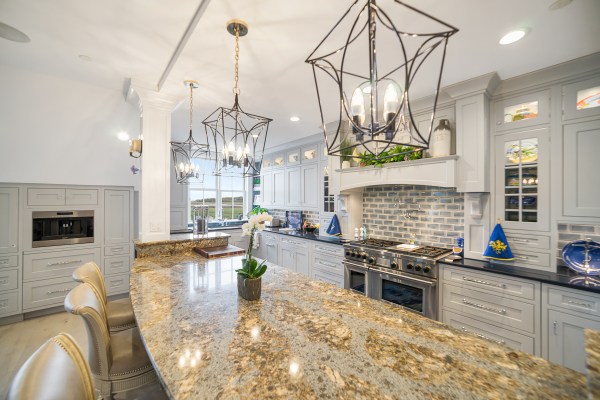
Custom Kitchens: Know the Process

Creating a custom kitchen can be an exciting and overwhelming task. Depending on who you work with, the process and timeline will vary, but each phase is an important step in getting the kitchen of your dreams.

  • Choose who to work with. In this preliminary phase, it is important to find a designer or contractor who you trust and understands your vision. Most will complete this phase at no cost or obligation. Be sure to:
    • Ask to see past projects to get a feel of the designer or contractor’s work.
    • Give your budget and explain your non-negotiables in regards to amenities, products, and style.
    • Discuss the timeline. How long will your project take?
    • Review preliminary ideas, styles, and designs with the contractor or designer.
    • Get an estimate of the work to be done.

At Horton Group, we choose to work with Bender, for their award-winning work and unbeatable customer service.

  • Design. Once you have chosen who to work with, the fun part of design begins. This is when you will place your first deposit and meet to develop the following:
    • Layout and floor plan for the kitchen and cabinets.
    • Selection of material and hardware for cabinets.
    • Selection of tile, appliances, countertops and plumbing fixtures.
  • Manufacturing. Depending on what you are getting, this phase can take weeks or even months. Remember that custom cabinetry is built to match your style, needs, and measurements of your space. Request updates throughout this process to put your mind at ease.
  • Installation. See your vision come to life! Contractors will generally begin by installing cabinetry, followed by countertops, plumbing, lighting, and tiling. Once installation is complete it is time to enjoy your custom kitchen!

Going custom is your chance to create the exact kitchen you want, so take your time, stick the decisions you know will work for you, and know that the wait for completion will be worth it!


How to Downsize to a Condo

Follow these tips to get rid of unneeded possessions and make the most of your new space.

Downsizing can seem like a daunting task. Most people have a habit of collecting “stuff” throughout their lives – whether it is memorabilia, more furniture to fill a bigger home, or equipment for landscaping a yard. When the time comes to downsize or move into a condo, it can prove to be a difficult task, especially when emotions are involved. Here are some tips to help you through the process:

Start small

Choose a room you seldom use to begin. Start with the big pieces in the room, such as the furniture. Is there a specific spot for that couch in your new place? From there, move to other objects in the room. When was the last time you used it? If the answer is several months ago, it is time to let it go. From there, go to the next room. Before you know it, you will have cleared out many non-essential items from your home.

Start Selling

Selling your used items has never been easier. You no longer need to plan and hold a yard sale, hoping people show up. Simply take pictures, and upload with a short description to one of the apps below. Ebay and craigslist are still relevant, but here are some others that may be more convenient or get you more money:

Prioritize

If you know the layout of the condo you are moving into, measure the rooms and prioritize. What furniture is essential for the living room, bedroom, and dining area? If the furniture you own is too large, sell and look for something smaller. In the kitchen, separate your most used items from those you rarely (or never) use. You can also get rid of duplicate items as you go through your belongings.

Think Storage and Multipurpose

Storage is key for living in small spaces. At the Residences at 66 High Street, storage space is provided to residents to ease the transition from house to condo. If extra storage space is not an option, multipurpose furniture items are key. Ottomans with tops that lift can store extra items in the living area. Hanging shoe racks help to make the most of your closet space. Use the wall or ceiling for a rack to hang pots and pans in the kitchen. You’ll realize there are plenty of places to store items when you get creative.

Ask for help

When it comes to your most sentimental items, ask for help from somebody you trust, or hire a professional organizer. Create four piles: keep, sell, donate, or toss. As you go through your possessions, put each in a pile, and stick to your decisions! You can also consider taking a picture of meaningful memorabilia so you can look back at it without taking up any space.

If you are thinking of downsizing, you are not alone. This survey by Trulia shows that 60% of people who currently live in a home larger than 2,000 square feet want to downsize the next time they move. Tiny houses are also becoming more popular options for people who want to own an affordable home. Whatever the reason, downsizing your living space means downsizing your material possessions, leaving you with less clutter, less costs, and possibly a bit more peace of mind.


 

Website Built with WordPress.com.

Up ↑