10 Tips to Stay Warm at Home this Winter

Winter weather means spending more time cozied up inside. Staying warm during the coldest season of the year doesn’t have to equate to sky-high heating costs. With some preparation, you and your budget can stay comfortable all year long. 

Incorporate some (or all) of these tips for added warmth this winter.

Programmable Thermostat 

A programmable thermostat, like Nest, makes your heating more efficient. Set your thermostat to a comfortable setting for times you will be home.  Lower the temperature during times the house is empty or when everyone is asleep. An automatic schedule ensures the heat doesn’t stay on high all day long and keeps the house toasty when people are there. 

Let in the Light

Window curtains can do more than give privacy. During the day, when the sun is shining, open the drapes. Even with cold temperatures, the sun’s light is warm. Once the sun goes down, close the curtains to prevent heat from escaping through the windows. You can even purchase insulated curtains for winter use. 

Check the Furnace

Make sure your furnace is in good working order with a simple tune-up. Also, check the furnace filter. If it is dirty, replace it with a new filter to maximize the efficiency of the furnace. 

Seal Gaps and Leaks 

Doors, windows, attics, and basements can have leaks, letting the cold air in during the winter. Finding and sealing these leaks is a simple solution to retaining heat. This do-it-yourself guide from energystar.gov provides more information on how to seal leaks. You can also use draft stoppers for doors where you feel cold air sneaking in. 

Check Vents and Radiators

Vents and radiators that are blocked will produce heat that is blocked. Move furniture away from vents and heaters so that warm air can blow into the room being heated.  

Rugs on Hardwood

Bare hardwood floors can account for heat loss. Grab some area rugs for extra warmth in the rooms you utilize most. 

Reverse Ceiling Fans

We all know that warm air rises, but did you know your ceiling fan can push that warm air back down? The trick is to reverse the motion of the blades, so the fan moves clockwise. 

Radiant Floors

If you want to go a step up from area rugs, radiant floors are the way to go. While more expensive than carpet, radiant heating systems evenly distribute heat that slowly rises to the rest of the room. 

Insulation

Poor insulation equals a loss of heat and a loss of money during the winter months. Check to make sure you have proper insulation. This will help to keep you warm while keeping energy costs low. 

HVAC Zoning System

An HVAC zoning system allows each area of the home to stay at a different temperature. You can keep the most-used rooms warm while lowering the temperature in rooms that are rarely used. 

Living in a region with cold winters means you can appreciate the beauty of the season. It also means you need to prepare your home for the changing temperatures. 

How do you stay warm in winter?


Refrigerators Trends for Function and Style

When we work on residential units, we pay attention to every detail of the build, from the blueprints to the appliances. Advances in technology and new styles are making kitchen appliances more efficient and easier to use. 

The refrigerator is one point of the kitchen work triangle – a design principle stating that the fridge, sink, and stove should all be in close proximity for a streamlined workflow. 

As one of the most prominent items in the kitchen, it’s essential that the refrigerator doesn’t just keep food items fresh, but that it blends with the style of the kitchen. 

In recent years, refrigerators have upgraded in both style and functionality. Take a look at some of the options for your next kitchen renovation. 

Finishes

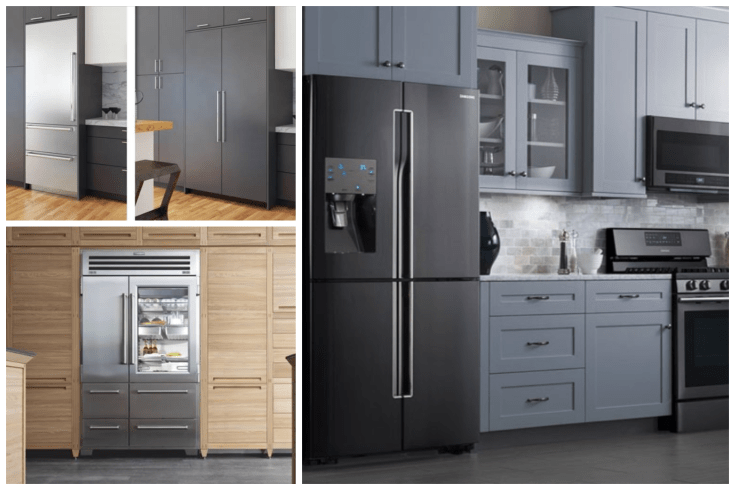
Stainless steel appliances have been at the forefront for years, due to the sleek look, easy maintenance, and ability to match any style. Stainless steel remains a popular choice, even while other finishes are beginning to appear in the kitchen. 

As one of the larger appliances in the kitchen, different refrigerator finishes can change the look of the room. 

Some popular options for refrigerators include:

  • Stainless steel
  • Black matte
  • Custom panels to match cabinets
  • Front window

Refrigerator Configurations

We’ve all had to reorganize the refrigerator after a grocery haul. Different food compartments, shelving, and drink storage make organization much easier. Full-size refrigerator units now include many different configurations. These include:

  • Side-by-side
  • Freezer on the top
  • Freezer on the bottom
  • French door refrigerators

Additional, smaller refrigerators can also be installed to make either the kitchen or adjoining rooms more functional. Wine fridges are popular in dining rooms or as part of a wet bar, while refrigerator drawers can provide extra storage in the kitchen. 

Food Preservation

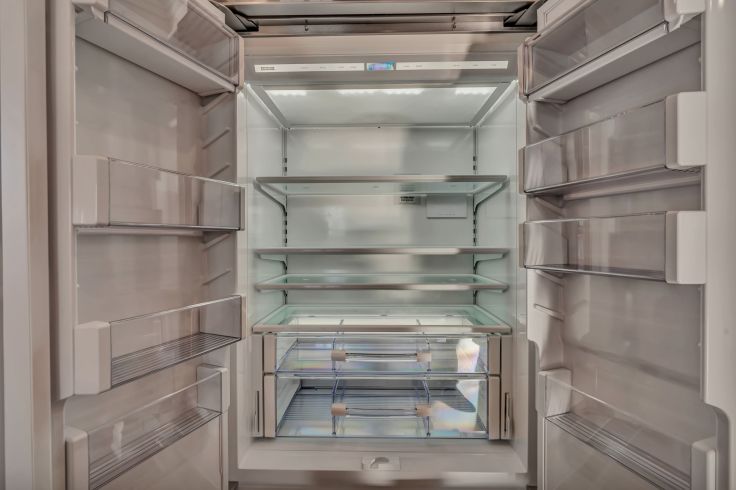
Without functionality, style won’t matter. Upgraded technology ensures that proper humidity, temperature control, and air quality preserve foods. Airtight crispers, along with endless shelf and storage options, means you can get a refrigerator that best suits the needs of your family. 


Benefits of a Hot Water Recirculating Pump

Most of us like to step into a hot shower to begin or end the day. How many times have you turned on the water, and then proceeded to brush your teeth or lay out your clothes as you wait for the water to get warm? 

In the average household, the shower uses two gallons of water per minute. If you and the other members of your home wait just two minutes for the water to heat up before every shower, it adds up to a significant waste of water. Hot water recirculation systems instantly provide water at a comfortable temperature, increasing comfort and optimizing energy consumption.

What is a Hot Water Recirculation System?

In systems without a recirculation pump, water sits in the pipes and must be pumped out of the faucet or showerhead. If the faucet has been off, this water will come out cold.

With a recirculation pump, cooled water is pumped through pipes back to the water heater to get heated, and a dedicated hot water line pumps water to faucets. The water is continuously recirculated, which means you don’t have to wait for hot water; it comes out instantaneously. 

A recirculation pump can be easily installed to the point of water distribution, without the need for additional piping. Of course, hot water doesn’t need to be recirculated all day long. To improve the efficiency of your recirculation pump, you can put the pump on a timer or use a hot water demand pump. 

Benefits of Hot Water Recirculation

The most apparent benefit of hot water recirculation is comfort. Recirculation pumps allow for more precise control over water temperature. Water instantly comes out to your preferred temperature, and remains steady throughout the shower, so you don’t finish rinsing off in lukewarm water. In addition, you don’t waste time checking to see if the water is warm enough.

Recirculation pumps also save water from being wasted. Each time you wait two minutes before stepping into the shower, you waste four gallons of water. A hot water recirculation pump eliminates the need to wait for the water to become warm, saving time, water, and energy. 


5 Tips to Prepare for a Remodel

You’ve met with your contractor, set a budget, and are excited to see the vision for your updated home come to life. 

Now you have to live through the remodel. 

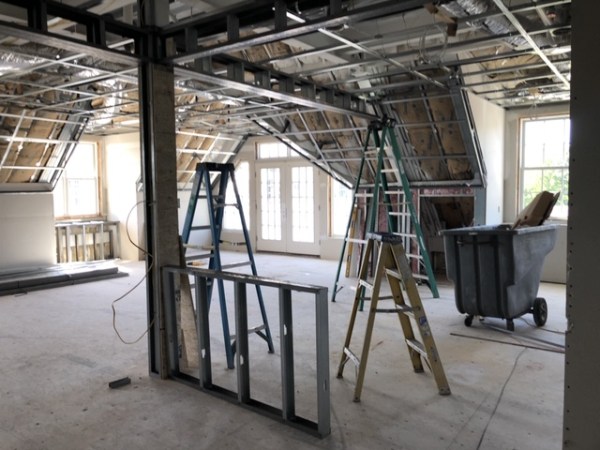
Remodeling your home is a thrilling venture, especially if it is something you have been working towards. Knowing the changes you want is the first step, and it is exciting when construction gets underway. If you plan on living in the home while renovations are taking place, you need to prepare for life in a work zone.

Here are some tips to make the construction phase as seamless as possible. 

Prepare Emotionally

By preparing mentally to live in a home that is being remodeled, you will ease into the mindset needed. There will be a certain level of mess (after all, things are being ripped up and put back together), noise, and workers entering and exiting. Find a contractor who communicates clearly and plan extra time outside or visiting loved ones. Remind yourself that though things may get hectic, it is just a phase!

Pack Up

Pack up your belongings as if you are moving. This helps the workers, as they will not need to work around any of your things. This step will also be beneficial to you because the space you are living in will not be overcrowded. Keep your essential items, and put the rest in storage.  

Establish Living Zones

Where will you be spending your time when you are in the house? Decide how you can repurpose the rooms that are not being worked on to help you live as comfortably as possible. Perhaps the master bedroom becomes more like a studio apartment, with an area for sleeping and a space for a living room. If your kitchen is being remodeled, set up a countertop with a coffee maker, small fridge, microwave, and toaster oven for use at home. You will need to be creative when creating living zones, but it will help make the transition easier. 

Seal the Work Zone

Work zones are full of dust, construction materials, and tools. If possible, make a separate entryway for construction workers, and tape off the work site from your living space. 

Prepare to be Flexible

During a remodel, unforeseen issues may arise. Your contractor works to make sure everything runs smoothly. Plan to communicate with your contractor regularly, so you understand the progress of the project. This way, if a surprise does pop up, you can calmly decide what your next step is. 

Renovations do not have to be extremely stressful, but they do require preparation, communication, and flexibility. Are you ready to complete a remodel?

Inside the Residences at 66 High Street with Designer Maryellen Sullivan

It was an easy decision.

Four years ago, Interior Designer Maryellen Sullivan was asked to help design units at The Residences at 66 High Street. The development would break ground around the corner from her own home, and she immediately knew she wanted to assist in creating a community as distinct as the town of Guilford. 

“When I got involved, I felt it was important to help make it the best that it can be. I want the level and quality of it to be something that can be maintained throughout the years,” Maryellen explained. 

During those initial stages, Maryellen worked with us at The Horton Group to select materials and elements to attract people and remain timeless over the years. 

She continues to move forward with this vision in every unit she completes.

The Old and The New

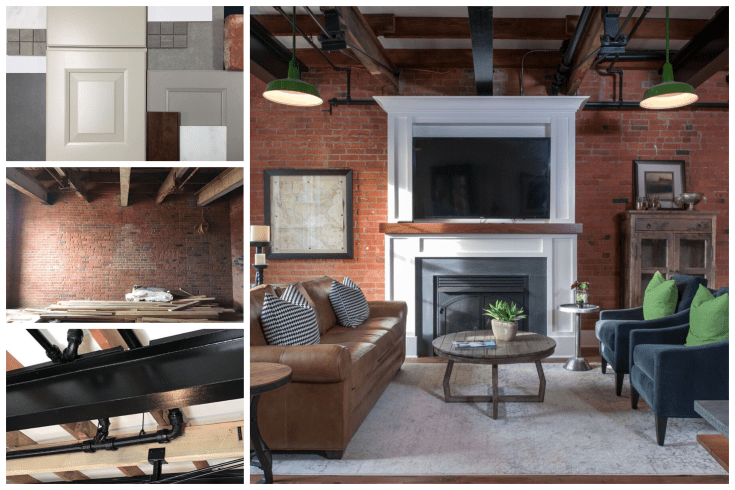
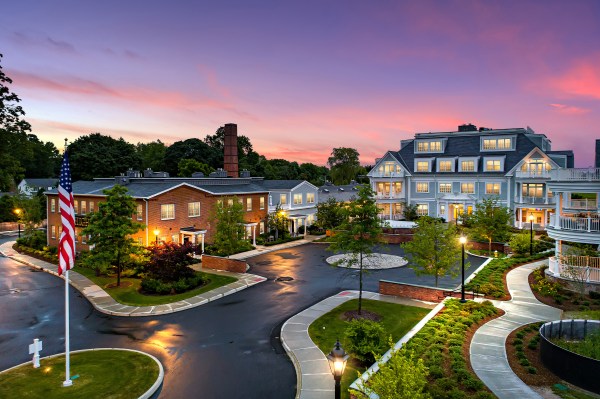
The Residences at 66 High Street masterfully blend historical features of the town with brand new luxury design. The Mill Building was the first to be renovated. Initially built in 1884, the Mill once made everything from lollipops to torpedo switches. 

The Mill at the Residences at 66 High Street

Many of the original features, including antique brick, steel, exposed beams, mill trusses, and refurbished factory lighting remain in the units. These unique features allowed Maryellen to be creative when designing each residence, pairing the industrial elements of the building with luxury finishes to create functional living spaces.

“As a designer, I’m seeing things years ahead,” Maryellen stated. “No matter the style, there is still a range of what will be relevant in five years.” 

In every unit she completes, Maryellen selects home finishes that have staying power. With the rustic elements inside the Mill Building, it was essential to highlight the uniqueness of each living space, while ensuring the finished product would outlast a trend. 

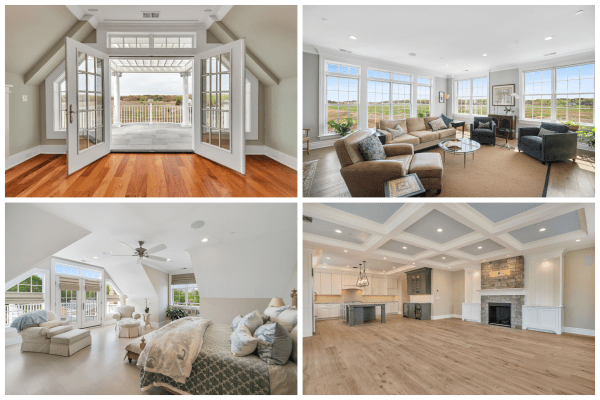
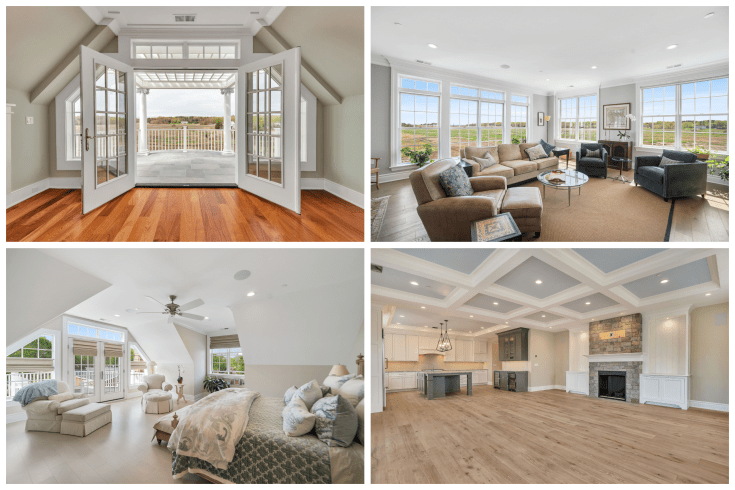
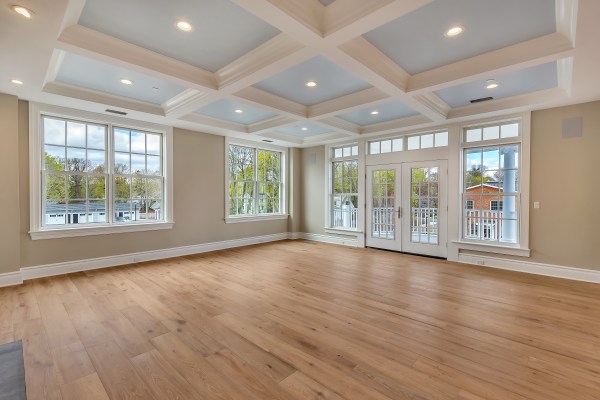
The Leete, The Whitfield, and The Chittenden (currently being constructed) are new buildings with an entirely different style than The Mill. These modern luxury units feature thoughtfully laid-out open floor plans, high ceilings, crown molding, and high-end finishes. 

The Leete at the Residences at 66 High Street

The beautiful architectural features and an abundance of windows allow the incredible views of the marsh and Long Island Sound to be a central feature. In these units, Maryellen works to ensure the living space is laid out seamlessly, so residents feel like they are part of the exquisite landscape. 

Up next: Unit 27

As one of the two residences left in The Whitfield Building, Unit 27 is Maryellen’s current project. With each new space, her goal is to create a unique unit that fits with the rest of the building.  

How is Whitfield unit 27 going to stand out among the already completed units?

It begins with the floor plan. All residences have the highly desired open floor plan in the main living areas. In unit 27, Maryellen is working to create more defined spaces that naturally flow from one area to the next.

“I wanted to design a floor plan that is unique to itself yet as dynamic as the other units,” explained Maryellen.

Inspiration for Unit 27

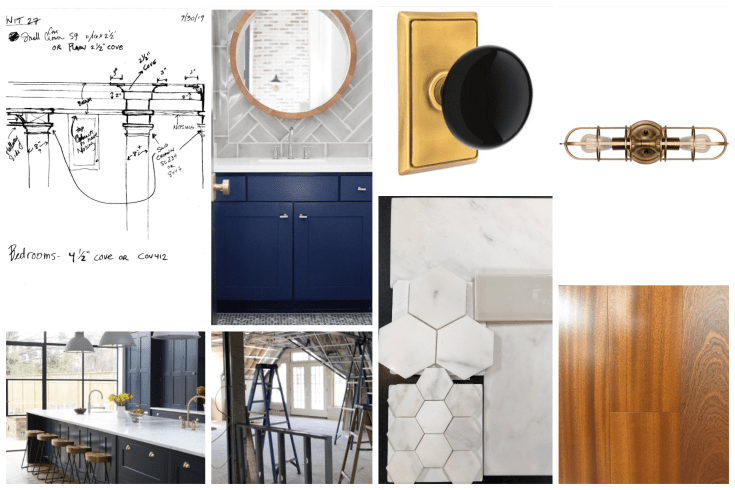
For materials, Maryellen is mixing elements to create a fresh look. Classic mahogany instead of rustic wood used in The Mill, brass and gold fixtures, and the contrast in flooring and cabinet colors are creating a unique kitchen. 

The unit also has incredible geometric fixtures that give it great style. 

“In my mind’s eye, it looks awesome,” Maryellen says. “I hope when people walk in, they will see the qualities that highlight it as fresh.”

Working at 66 High Street

While Maryellen is continually inspired by the features and views at 66 High Street, she is most impressed with the community. 

Having lived in Guilford for more than 20 years, Maryellen feels a deep connection to the town. As new residents move into 66 High Street, she watches at how fascinated they become – not just of the luxury development, but of how special the shoreline town is. 

In turn, the people who live in the Residences are uplifting downtown Guilford in new ways. 

“66 has built a community that is changing the town. It is breathing a new energy: it’s a refreshing outcome to see how it is branching out into the community and the town center,” she said. 

What is an HVAC Zoning System ?

Have you ever been so cold in one room of your house that you jack the heat up, only to realize the rest of the rooms are now too hot? Or is one person in your family continually turning the AC on high and freezing out everyone else?

HVAC systems heat and cool an entire house, but a single thermostat can make it challenging to maintain a comfortable temperature for every room in the house.  HVAC systems controlled by one thermostat have just that – one thermostat. This means that it only reads the temperature in the room it is located. If the thermostat is in the main living areas, it can lead to the upstairs being too warm, or a room next to the garage too cold. 

In a home with varying degrees throughout the house, a zoning system may help to solve the heating and cooling issues. 

How an HVAC Zoning System Works

An HVAC zoning system uses multiple thermostats, a control panel, and dampers in the ductwork to regulate airflow. The thermostats read the temperature for different areas of the house, and the control panel takes those temperatures and signals the dampers. From there, the dampers either open or close, depending on if that room needs heating or cooling. 

Comfort at Home

In the heat of the summer and during winter’s freezing temperatures, it can be difficult to find a temperature where everyone in the household is comfortable from all areas of the house. Some people like it warm, while others prefer cooler temperatures. With a zoning system, each person’s preferences can be accommodated for different areas of the house. 

For houses with multiple levels, large windows, or rooms that you prefer to be cooler (like a workshop or home gym), zoning reads and maintains the appropriate temperature for each area. 

Sustainable Energy

There are usually areas in the house that are used less frequently than in other areas. With three to four different zones, you can avoid overheating or overcooling rooms that are not in use. The efficiency of zoned HVAC helps to lower your monthly bills, lengthen the life of your system, and decrease the amount of energy used in your home. 

The added comfort and energy savings you can achieve by installing a zoning system is worth considering, especially if you have already taken care of any air leaks and insulation issues. To determine if HVAC zoning is a good fit for your home, work with a certified HVAC contractor. 


Advantages to Finishing a Basement

Basements are excellent for storage. But that doesn’t mean basements need to remain dark and dingy. Remodeling the lower level of your home increases living space, can add value to your property, and is energy efficient. 

More Living Space

If you love your house but feel cramped, or you want another area where you can get some privacy, a remodeled basement provides more living space. The best part of refinishing a basement is that you can be as creative as you want. Since the essential rooms are already on the upper levels of the home, you can utilize this extra space to create a dream room.

A dream basement might be a playroom for children, so you don’t have to look at toys in the main living room. It could include a fitness area, game room, home theater, or a home office that is secluded from the rest of the house. Whatever you wish you had the room for upstairs can become part of a finished basement. 

Potential to Add Value to Your Property

You may already know that kitchen and bathroom renovations generally have the best return on investment. But a finished basement can also add value to your property. By setting a budget, and working with a contractor who knows zoning laws and regulations for your area, you can create a space that adds value to your house. 

A finished basement may add value if it includes:

  • An additional bedroom. In smaller homes, a third or fourth bedroom in the basement may attract more buyers.
  • Additional bathroom. If your house has just one bathroom, adding another one can be a good return on investment. If the basement provides the space for an additional bathroom, it is a good idea to include in your renovations.
  • Income unit. An in-law suite or rental unit could also be designed for a basement remodel. This would need to follow zoning and safety regulations, so check with your contractor to ensure it is possible for your home. 

Energy Efficiency

Cold air can leak in through the basement, making a house feel drafty. Energy Star recommends sealing air leaks in both the basement and the attic in order to decrease this cold airflow and save on energy bills. When renovating a basement, check to make sure there are no gaps around pipes or electrical lines. This is also the time to make sure the basement is insulated properly. 

When thoughtfully designed, remodeling a basement has many benefits. What does your dream basement include?


What are energy efficient windows?

Energy efficiency is overwhelmingly important to homeowners, which was made clear in a 2019 study conducted by the National Association of Home Builders. 

For homeowners, installing energy efficient windows is one of the easiest ways to reduce energy consumption.  Consequently, lower energy consumption means lower monthly heating and cooling bills. 

What are energy efficient windows?

Energy efficient windows work with the seasons. In the winter, they keep heat inside the home, while in the summer, they keep the cool air in. The climate zone where you live determines the type of window that is qualified for your location. 

The easiest way to determine if a window is energy efficient is to select ENERGY STAR rated products. ENERGY STAR rated windows are manufactured by an ENERGY STAR partner, tested and certified by the National Fenestration Rating Council, and meet strict energy efficiency guidelines set by the US Environmental Protection Agency.

Features of an Energy Efficient Window

For windows to be considered energy efficient, they must meet specific criteria. These include:


  • Low-E Glass. A special coating on the windows helps to reflect infrared light and ultraviolet light. This not only increases the insulation, but helps to protect carpet and furniture against fading from the sun.
  • Panes of Glass. Energy efficient windows contain at least two panes of glass, but can have three or more panes for more insulation. 
  • Warm Edge Spacers. Edge spacers keep the panes of glass secure at an equal distance apart. Warm edge spacers are non-metallic, helping to reduce the loss of heat around the edges of the window.
  • Gas Fill. In between the panes of glass, non-toxic, odorless, and colorless gases can be added. These gases help increase insulation. 


Framing Options

In addition to creating the aesthetic style of the window, window frames are as important as glass when it comes to energy efficiency. There are numerous options for ENERGY STAR rated window frames. All of these framing options are designed to provide optimal insulation:


  • Wood 
  • Fiberglass
  • Vinyl
  • Aluminum 
  • Combination: Made of different materials, used separately throughout the frame (such as a wood interior and fiberglass exterior). 
  • Composite: Manufactured with blended materials. 


We know how important it is to both reduce energy usage and keep the home comfortable. Selecting windows that are energy efficient is an easy way to accomplish both.

More than Location: Why 66 High Street Feels like Home

“Our feeling for Guilford was that is was warm, accessible; and it’s only been reinforced by the people that we’ve experienced here at 66 High Street,” says Tom Conforti, who now lives at The Residences at 66 High Street. 

First drawn to the location of Guilford, after settling into 66 High Street, Tom has noticed it is more than the setting that makes the Residences feel like home. 

Warm and Friendly

A coastal town, Guilford has historical roots and prides itself on community. Residents of 66 High Street can walk to the Guilford Green, where a community event is usually taking place, or pop into one of the shops or restaurants downtown. 

Back home at 66 High Street, people feel engulfed in a beautiful, secluded landscape, with views of the marsh and Long Island Sound. The scenic setting is perfect for quiet evenings on the balcony or when gathering with loved ones. 

In addition to the beautiful landscape and coastal living downtown, the people at 66 High Street have made Tom feel welcome in his new home. Everybody is friendly and willing to help each other out. 

“We’ve been struck at how engaging the embrace was from current residents of 66 High Street,” said Tom. 

Luxury Accommodations

With the beautiful scenery and close proximity to downtown Guilford, The Horton Group knew luxury living was the only option when planning the residences. 

Like the Horton Group, Tom shared the same vision for his next home.

 “We wanted luxury accommodations in a scenic setting; and of course we were able to design the house according to our specifications,” he stated.

The Horton Group works with each resident to make sure their home is ideally situated to their tastes. Each unit begins with top-of-the-line features and attributes, and can be altered to fit the taste of the homeowners. 

Easy Maintenance and Worry-Free Travel

In addition to superior craftsmanship, the Residences at 66 High Street are secure and hassle-free. Whether residents travel for a couple of weeks, or spend months away at a second dwelling, there is nothing to worry about when away from home. 

“When we leave to return to New Jersey,” Tom explained, “we realize we are leaving behind a home that’s secure, easy to maintain for us.”

Security provides peace of mind that cannot be measured. Knowing that when you return home, you will come back to a fully maintained home and property eliminates the stress of travel. 

“We would have not purchased a home that didn’t provide us this level of luxury, convenience, and accessibility like 66 High Street does,” Tom said. 


Most (and Least) Wanted Features in a Home

We’ve all thought about our dream home: the features, design, and amenities we would select if there were no limiting factors. 

In What Home Buyers Really Want (2019 Edition), a study conducted by the National Association of Home Builders, close to 4,000 home buyers were surveyed to determine the most desirable features when looking for a home.

The survey found that the most desirable features are all about practicality. 

Most Wanted Features

In the survey, participants ranked each feature as Essential, Desirable, Indifferent, or Do Not Want. These were the top ten features buyers look for in a home, according to the survey:

Feature Percentage of People who Rated the Feature ‘Essential’ or ‘Desirable’
Laundry Room 91%
ENERGY STAR rated windows 89%
Patio 87%
ENERGY STAR rated appliances 86%
Ceiling Fan 85%
Garage Storage 85%
Exterior Lighting 85%
Walk-in Pantry 83%
Hardwood Flooring 83%
Double Kitchen Sink 81%


A laundry room came in as the most desired feature in a home, with 91% noting this was important in their home search. Having a laundry room in the primary residence is convenient and saves our most valued asset: time. 

The remaining top ten features focus heavily on sensible and sustainable features. Two spots in the top ten show that ENERGY STAR ratings are essential to today’s buyers.

In addition to ENERGY STAR windows and appliances in the top ten, ENERGY STAR for the entire home came in at number 11, with 81% of buyers stating it was essential or desirable in a home. Green construction is important to consider when moving into a new home, and ENERGY STAR features are one of the easiest ways to implement a sustainable lifestyle. 

Storage is another factor homebuyers seriously consider, with both garage storage and a walk-in pantry making the top ten features. 

Least Wanted Features

As far as what buyers are not looking for, here are the most unwanted features in a home:

Feature Percentage of People who Rated the Feature ‘Do Not Want’
Elevator 66%
Wine Cellar 57%
Day Care Center 50%
Plant Covered Roof 50%
Pet Washing Station 49%
Dual Toilets in Master Bath 48%
Cork Flooring 47%
Golf Course Community 47%
Two Story Family Room 47%
High Density Development 46%


The top two unwanted features in a home were an elevator, with 66% of home buyers stating they did not want one in a home, and a wine cellar, with 57% of participants stating they do not want one.

Other features that are unwanted by home buyers are focused on community amenities. Ones that made the ‘do not want’ list include a daycare center, plant-covered roof, pet washing station, and golf course community. 

What are your most desired features in a home?

Website Built with WordPress.com.

Up ↑