Final Phase at 66 High Street

The Horton Group is now entering our fourth and final phase at The Residences at 66 High Street with the build of The Chittenden!

Since the start of the project, a total of 38 units have been sold, completely selling out the first three buildings: The Mill, Whitfield, and Leete Buildings. 

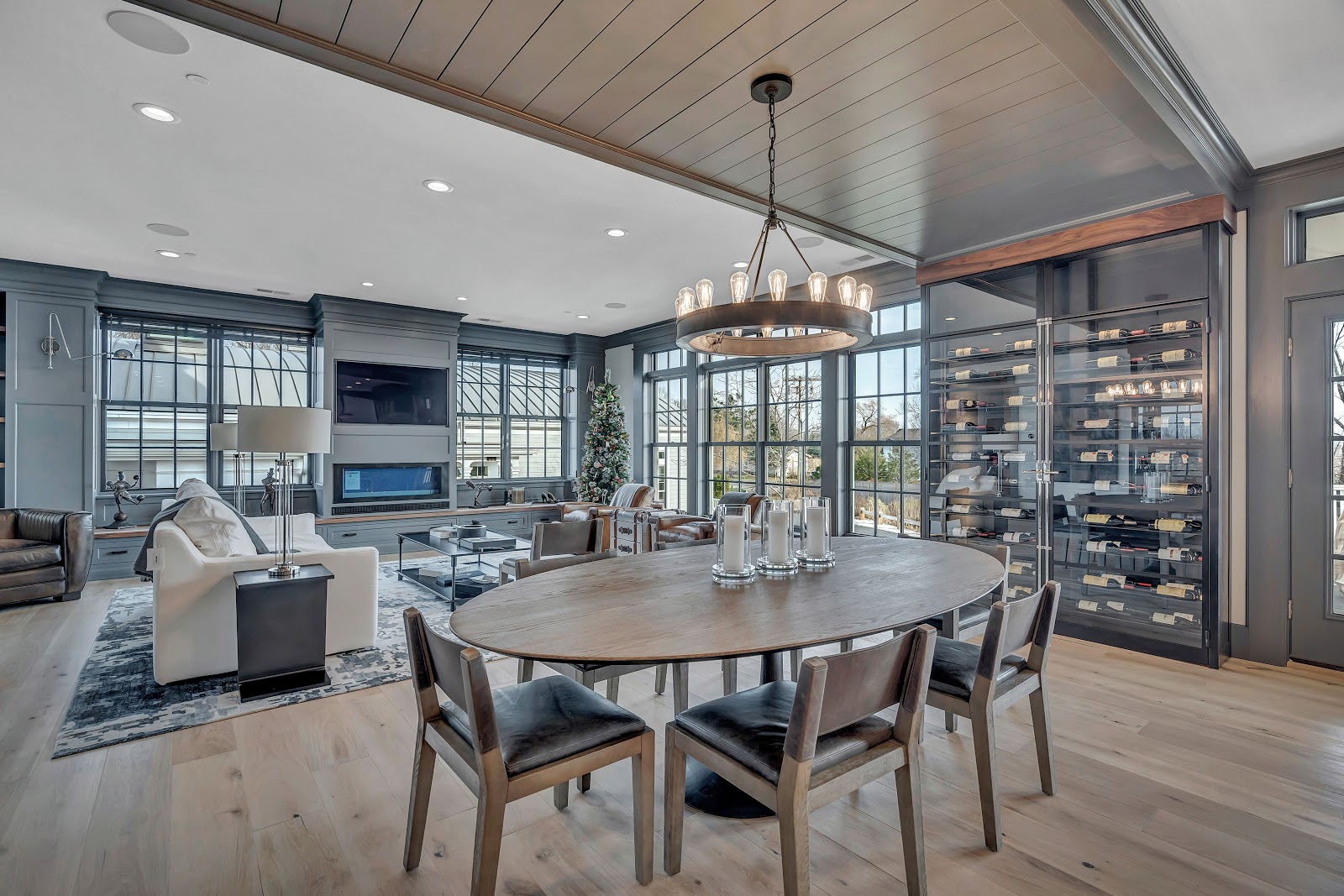
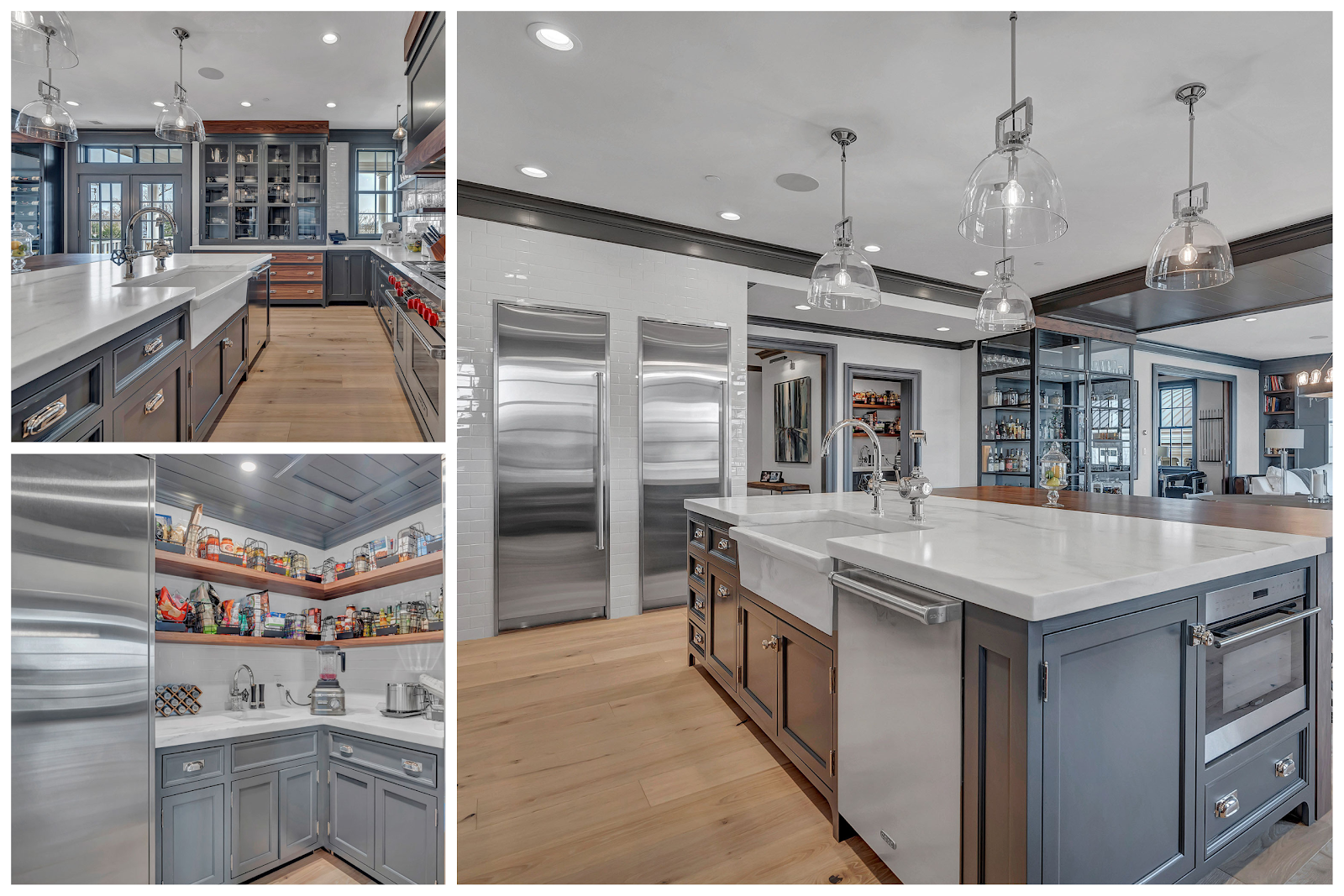
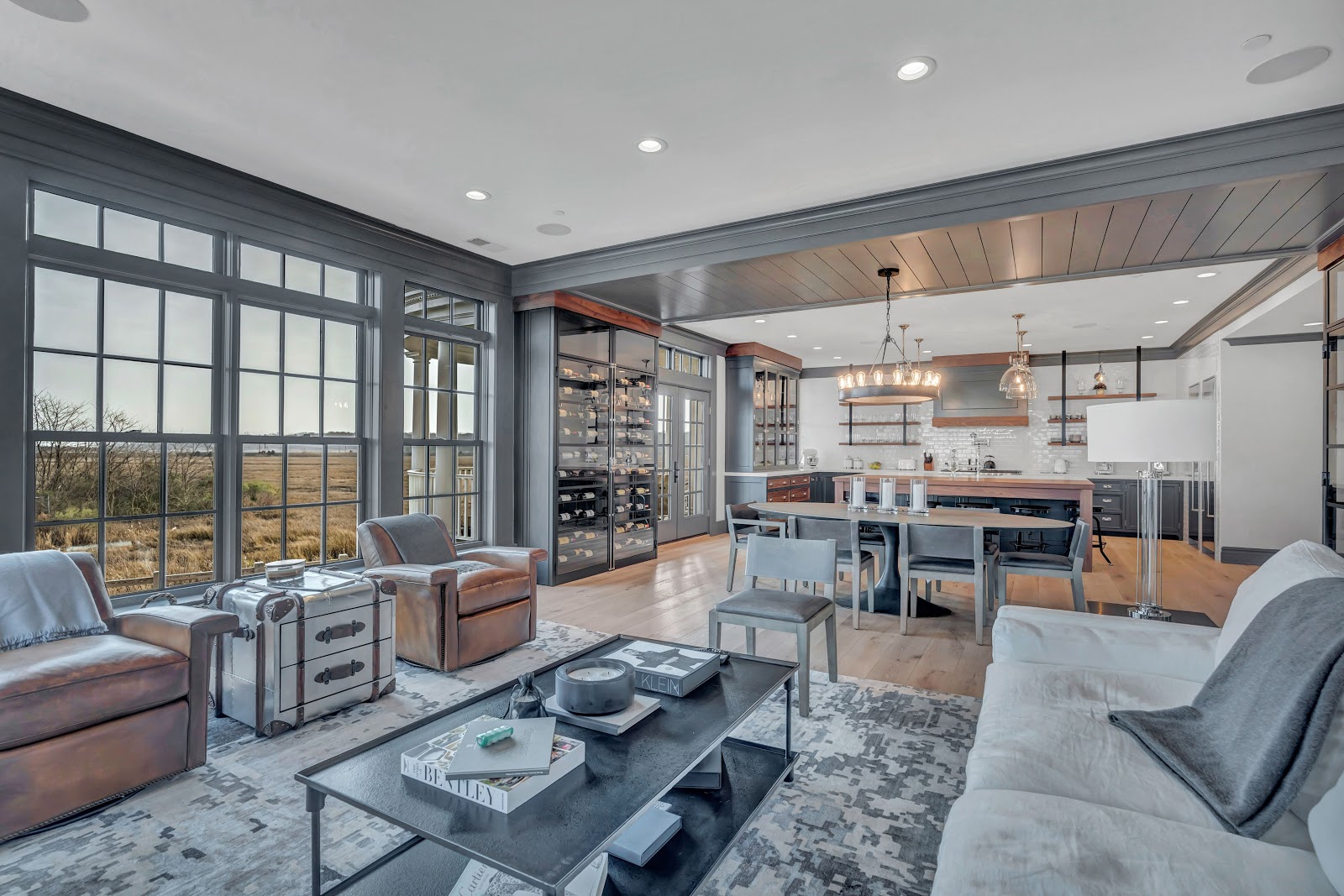
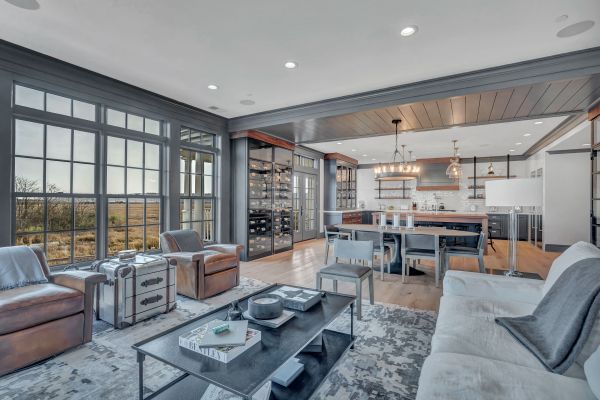
The Residences at 66 High Street is a luxury condominium community in Guilford, Connecticut. Each unique residence features an open floor plan highlighted by high ceilings, a gourmet kitchen, finely appointed baths, and high-end finishes. 

In addition to masterful craftsmanship, 66 High Street also has an incredible sense of community. Located within walking distance to the Guilford Green, residents enjoy heading to their favorite shops and restaurants and meeting up with neighbors. 

Award-Winning Luxury Development

Over the years, The Residences at 66 High Street has garnered the attention of residents and builders alike. The development has won numerous awards, including:

2019 HOBI Awards:

  • Best Luxury Condominium Community
  • Best Luxury Condominium

2018 HOBI Awards:

  • Best Condominium Community 
  • Best Condominium Unit
  • Outstanding New Haven County New Commerical for 350 Goose Lane
  • Outstanding Vacation Remodel for 21 Palms, Marathon, FL

2017 HOBI Awards:

  • Best Luxury Condominium Community
  • Outstanding Luxury Condominium
  • Best Luxury Townhouse

2016 HOBI Awards:

  • 2016 Project of the Year
  • Best Condominium Community
  • Best Luxury Condominium Unit
  • Best Historic Rehab Overall

In addition to all HOBI Awards, the Residences at 66 High Street has broken every single New Haven County record for luxury condo sales!

The Final Phase

Now in the final phase, the Horton Group is constructing the final building: The Chittenden Building. With a planned completed date in 2024, this building will have the same level of craftmanship, with individual units tailored to the preferences of residents. 

Are you interested in learning more about The Chittenden Building at 66 High Street?

Pros and Cons of a Home Addition

Building an addition to your home can be both an exciting and harrowing process. 

If you are considering a home addition, here are some pros and cons that you should be aware of before you start.

Pros of a Home Addition

Your Own Design

When building an addition, you can design it specifically to your needs. A home addition is a custom-tailored solution to an issue with your current home. Perhaps you need more kitchen space, more storage, or maybe an in-law suite. Whatever your needs, with an addition you get exactly what you want.

Increase the Value of Your Home

When done correctly, a home addition can be a financial investment that increases the value of a home. Adding square footage to your home like an extra bedroom or bigger kitchen will make your home more attractive to buyers. However, be sure not to over-improve beyond the average value of your neighborhood. Hire the best contractor you can afford to ensure the new space is sturdily-built and well-designed.

No Stressful Move

Perhaps you have one or two issues with your house, but otherwise you love your home, your neighborhood, and your current life, and you don’t want the stress of uprooting everything for you and your family. If this sounds like you, it’s probably better to consider building an addition rather than moving! 

Save Money

Depending on the scope and budget of your home addition project, it could be cheaper than buying a new home.

Cons of a Home Addition

Cost

Home additions are an investment. Depending on the project, you can expect to pay at least $30k-80k and possibly more. You can often make some of this money back when you sell, but it is not guaranteed, a real estate values are always fluctuating. You should also be wary of over-improving your home beyond that of the average house in your neighborhood, as this can actually devalue your house or make it a tough sell.

Let’s not forget unforeseen additions to the budget that inevitably arise. Projects on your home could uncover previously unknown issues that are costly to fix and delay the process.

Stress

Building a home addition can come with a lot of stress. You have to share your home with a building crew for weeks or months. Sometimes you might even lose access to an important room (such as a kitchen) while construction is underway. Alternatively, you can choose to live off site at a hotel or with family, but this too can be costly and stressful.

Making sure you hire a reputable, professional contractor is an important step in alleviating some of this headache. 

Loss of Yard Space

Unless you’re building an addition on top of your current home, you will inevitably lose some yard space. This could be a downside for your family, and is something you will need to take into consideration. 

Conclusion

A home addition is a huge decision and likely one of the costliest a homeowner will ever make. Before beginning a renovation, the pros and cons of such a project should be carefully considered.

What to Look for in a Professional Remodeler

May is NAHB’s National Home Remodelers Month, and the past year has been a busy one when it comes to remodeling! 

With so much time spent at home these days, chances are, you are thinking of making changes to your home. Perhaps you’re thinking of pulling out your toolkit and DIYing it. 

However, large remodeling projects usually call for an expert. Here’s how you can find the right contractor for your home project!

Why You Should Hire a Professional

  • Property Value

Remember that your house is a valuable asset. All upgrades need to be of professional quality to increase the value of your property.

  • Safety

A professional contractor knows how to bring your remodeling dreams to life in a way that is safely constructed and up to code. As a trained expert, a remodeler has a firm grasp of the requirements to meet city ordinances, regulations, and permits. 

  • Expertise

You are not just hiring a professional remodeler for their labor; you are hiring them for their expertise. Through years in the industry, they know where to get the best prices on labor and materials, and how to design the best solutions for your needs and your budget. 

How to Find a Professional Remodeler

  • Search for Remodelers in Your Area

The National Association of Home Builders has a Directory of Professional Remodelers that you can search to find professional remodelers in your area. Search the internet or social media for remodelers in your area and pay attention to reviews from previous customers. You can also reach out to friends in your community to see who they recommend. 

  • Reach Out for Quotes

Contact a few of your top picks to discuss your project and your budget. A professional remodeler can provide you with work samples to prove their expertise, and a detailed proposal on how they will achieve your vision within your budget. Do not immediately go for the lowest price offered. A price that seems too good to be true can mean poor quality work or a lack of professionalism.

  • Check Their Credentials

Do some background research on your potential remodelers to make sure they are running a legitimate business. They should have the proper licenses to conduct their work, and general liability insurance in case of accidents on the jobsite. It is also great if they are part of a trade association. A remodeler who meets all these criteria should be reliable and knowledgeable about all the newest industry trends and legal requirements.

Are you interested in learning more about the remodeling process?

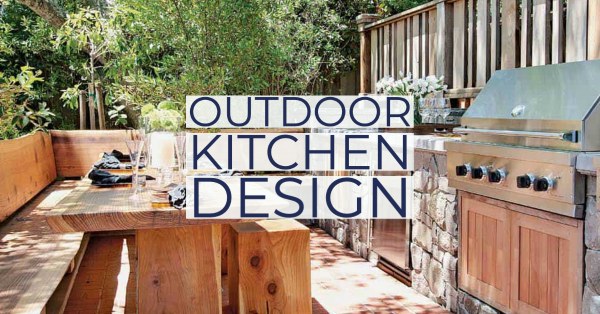
Outdoor Kitchen Design Tips

There’s a reason why outdoor kitchens have become increasingly popular over the past decade. Not only are they practical, but they add a luxurious feature to your home. 

An outdoor kitchen also increases your square footage for entertaining, allowing you to stay engaged with guests while limiting foot traffic in and out of the home. 

If you’re looking for some inspiration, keep reading to learn how to design your dream outdoor kitchen.

Plan And Select A Layout

When designing an outdoor kitchen, personalization is key. Factor in space for seating and appliances, while still allowing plenty of room for walking and cooking. You’ll want to consider space for prepping, cooking, entertaining, and dining when planning your kitchen. 

Once you have the exact measurements, explore possible layouts for your kitchen. 

Here are some of the most common layouts:

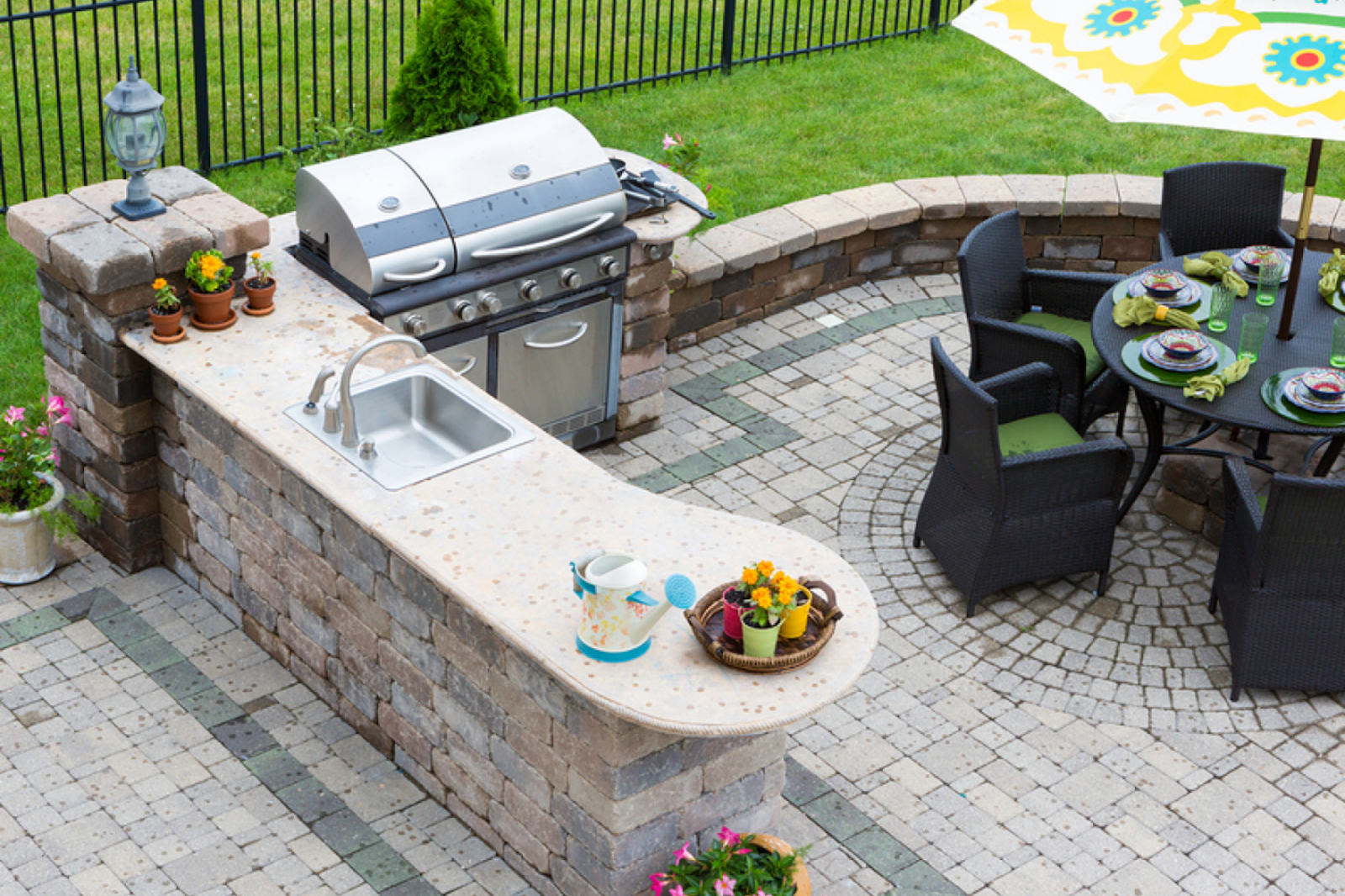
  • L-Shaped: This shape works well for small to medium-sized spaces and fits perfectly in corners.
  • Linear: An excellent option for small spaces and small budgets. A linear layout can either run along the side of the house or be freestanding like an island. 
  • Galley: In a galley layout, appliances and cabinets face each other along a rectangular line divided by a central walkway.
  • U-Shaped: This layout is lined with appliances and cabinets on three sides, forming a U-shape, with an open space in the center. This works best for large outdoor kitchens and offers more space for appliances and countertops.

Personalize Accessories and Appliances

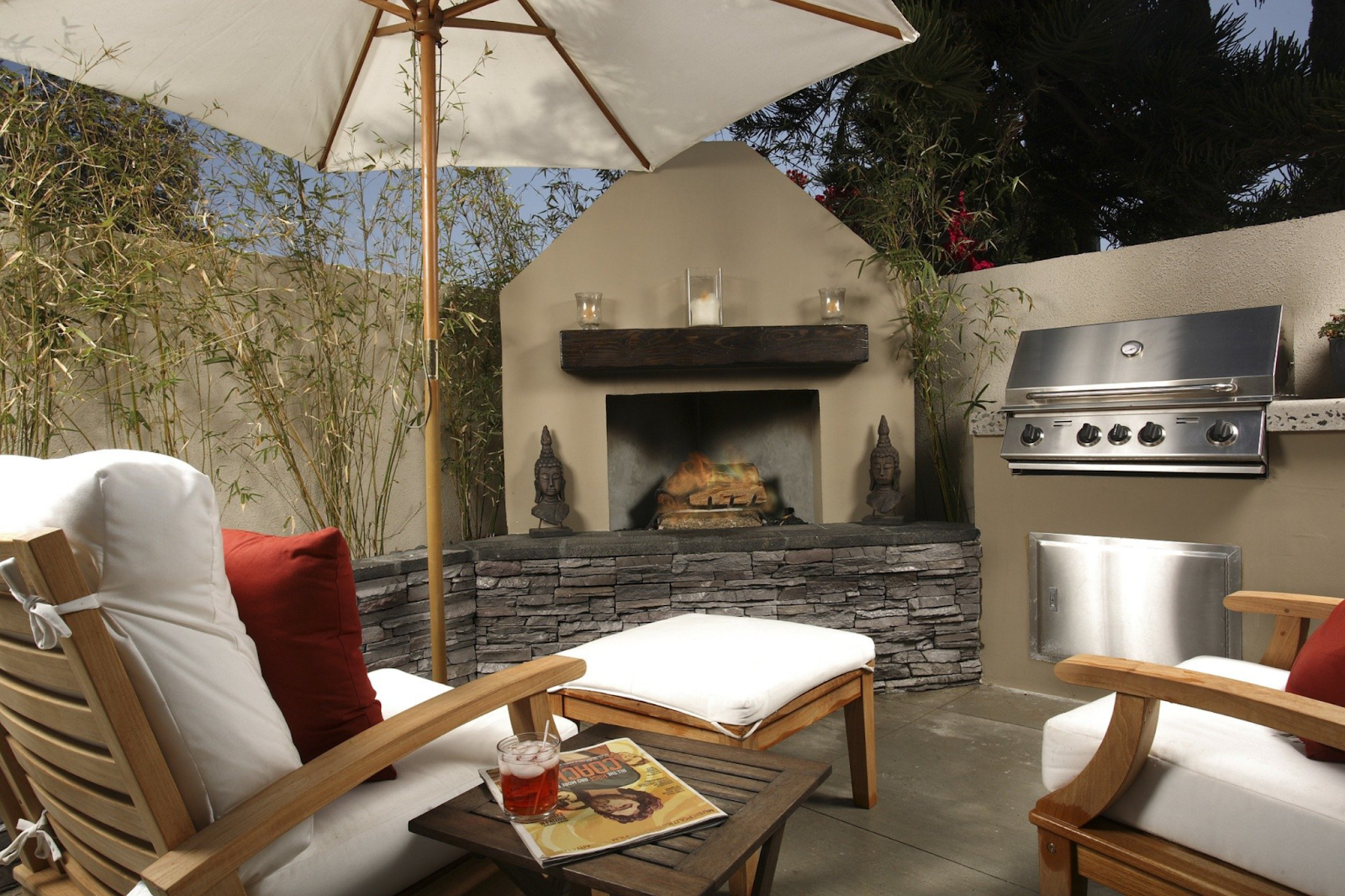
To elevate your outdoor kitchen and make it fit your needs, consider accessories. A fire pit adds a cozy element to your outdoor kitchen, helps keep the night lit, and extends patio season into cooler months.

Not much of a cook? Make a bar the focal point of your kitchen. If you’re a master chef, purchase the bells and whistles such as a pizza oven or grilling station. 

Furniture and Decor

Once you have your layout and appliances, you can begin to have fun with the design! Remember, this space is an extension of your indoor living areas and brings together dining, entertaining, and relaxing. 

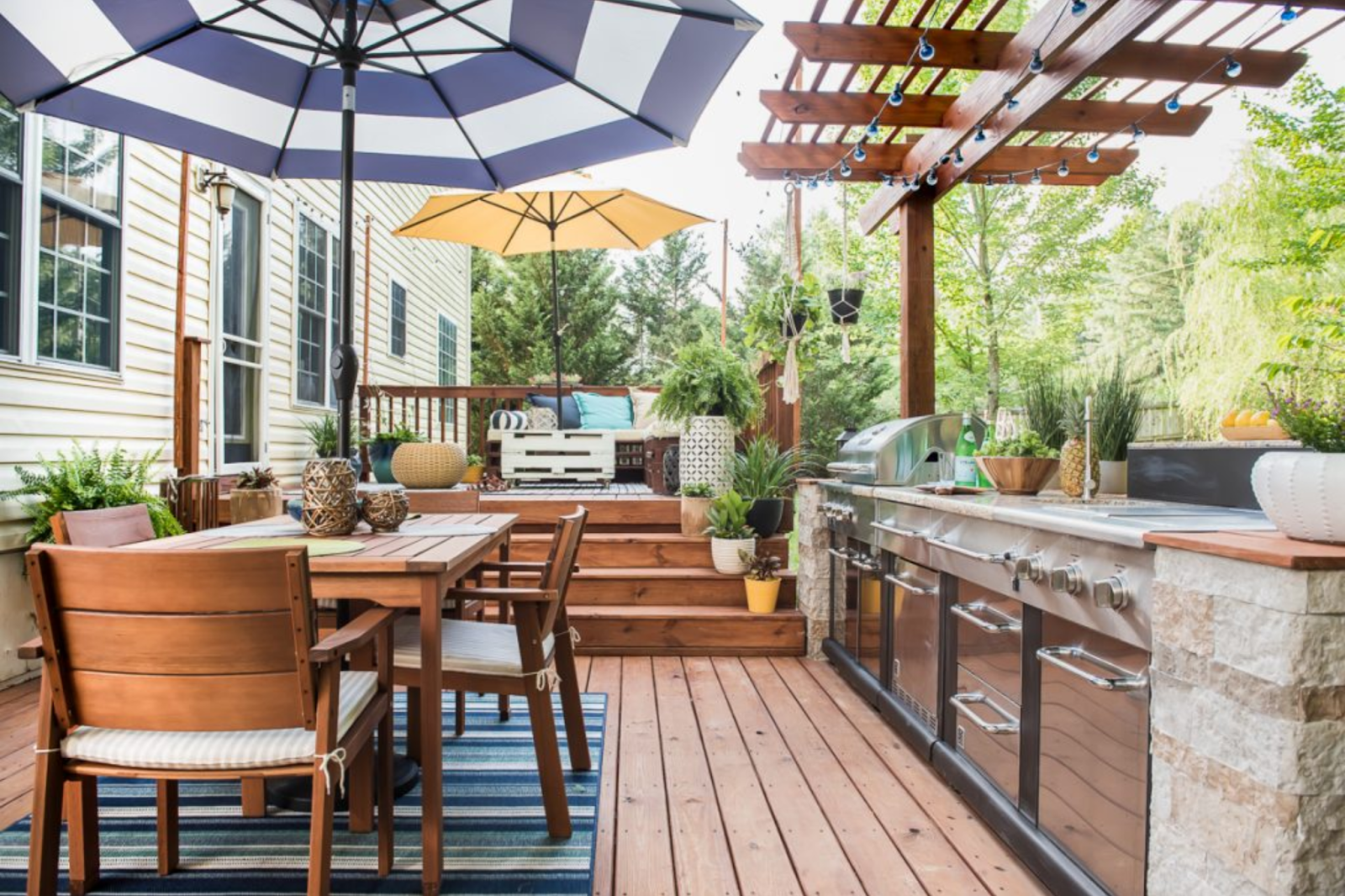
Choose outdoor furniture that meets your style and is comfortable, with enough seating for all. If you have one seating area, make sure the space can accommodate dining and conversing. If you have multiple seating areas, you can incorporate furniture for lounging and separate furniture for eating. 

Finally, some type of protection is vital for an outdoor kitchen, whether it’s a pergola, retractable roof, or canopy. This helps weatherproof the space and allows you to use it whether the sun is blaring or there’s a light rain. 

National Home Remodelers Month

April was New Homes Month, but now that we have entered May, remodelers are in the spotlight. 

May is NAHB’s National Home Remodelers Month, and with a resurgence of remodeling activity in 2021, now is a great time to highlight what is happening in the remodeling industry. 

Full Recovery

After a slow down in remodeling projects last year, remodelers’ businesses have picked back up to full speed. 

“The remodeling market took a hit last year at the start of the pandemic, but it’s completely turned around now,” said NAHB Remodelers Chair Steve Cunningham, a remodeler from Williamsburg, Va. “Now, remodelers are facing intense backlog on projects due to supply chain delays, continued labor shortages and an abundance of project leads.”

NAHB’s Remodeling Survey

A recent survey conducted by NAHB revealed what type of projects homeowners are requesting from remodelers. Here is what the survey found:

Most Common Consumer Motivation for Remodeling:

  1. Better amenities
  2. Need to repair or replace older components
  3. Desire or need for more space

Most Common Remodeling Projects:

  1. Bathrooms – 74% of remodeling projects involved bathrooms.
  2. Kitchens – 67% of remodeling projects involved kitchens. 

Bathroom and kitchen remodeling projects have been in high demand for several years, but this year, even more homeowners are reaching out for remodeling projects. 

“As home prices and interest rates rise, many would-be home buyers are instead opting to stay put and make improvements to their current homes.”

NAHB

Are you planning on making any renovations to your home this year? Let us know!

A Peek Inside Unit 17

It’s official – there are just two units currently left for sale at The Residences at 66 High Street. Every unit completed has a design all it’s own, while maintaining the sense of luxury that 66 High Street is known for. 

The Horton Group works with residents to customize each unit to feel like home from day one. Unit 17, which recently sold, was no exception. The customized options have us inspired! 

Come take a peek at Unit 17, and learn about some of the build-to-suit options available for the remaining units at 66 High Street!

Color Scheme

Color can completely change the feel in any room. Dark, earthy tones create a grounding space, while neutrals can create a feeling of spaciousness. Pops of color are also an option for those who love a bold statement. Whatever your color preference is, this is an easy customization for any unit. 

Kitchen

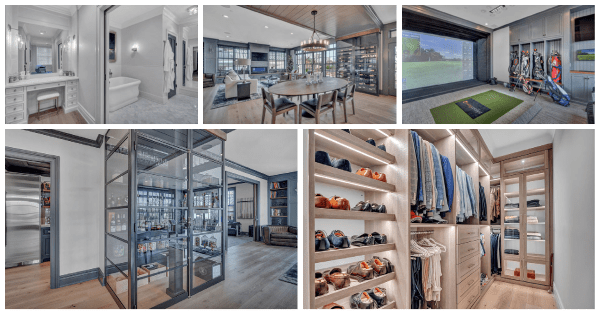
The kitchen is one of the most customizable rooms in any unit. Select your preferred appliances, layout, backsplash, and added features. Unit 17 has a walk-in pantry with an extra fridge!

Molding and Trim

Do you love intricate crown molding or modern lines? Another simple way to customize a space is to select your preferred molding and trim throughout the home. 

Flooring

No matter what type of flooring you prefer, there are endless options! If you select wood floors, there are still decisions to be made on the boards’ width, length, and color. You can also decide if you want the same flooring throughout the entire home, or change it up in different living spaces. 

Cabinetry

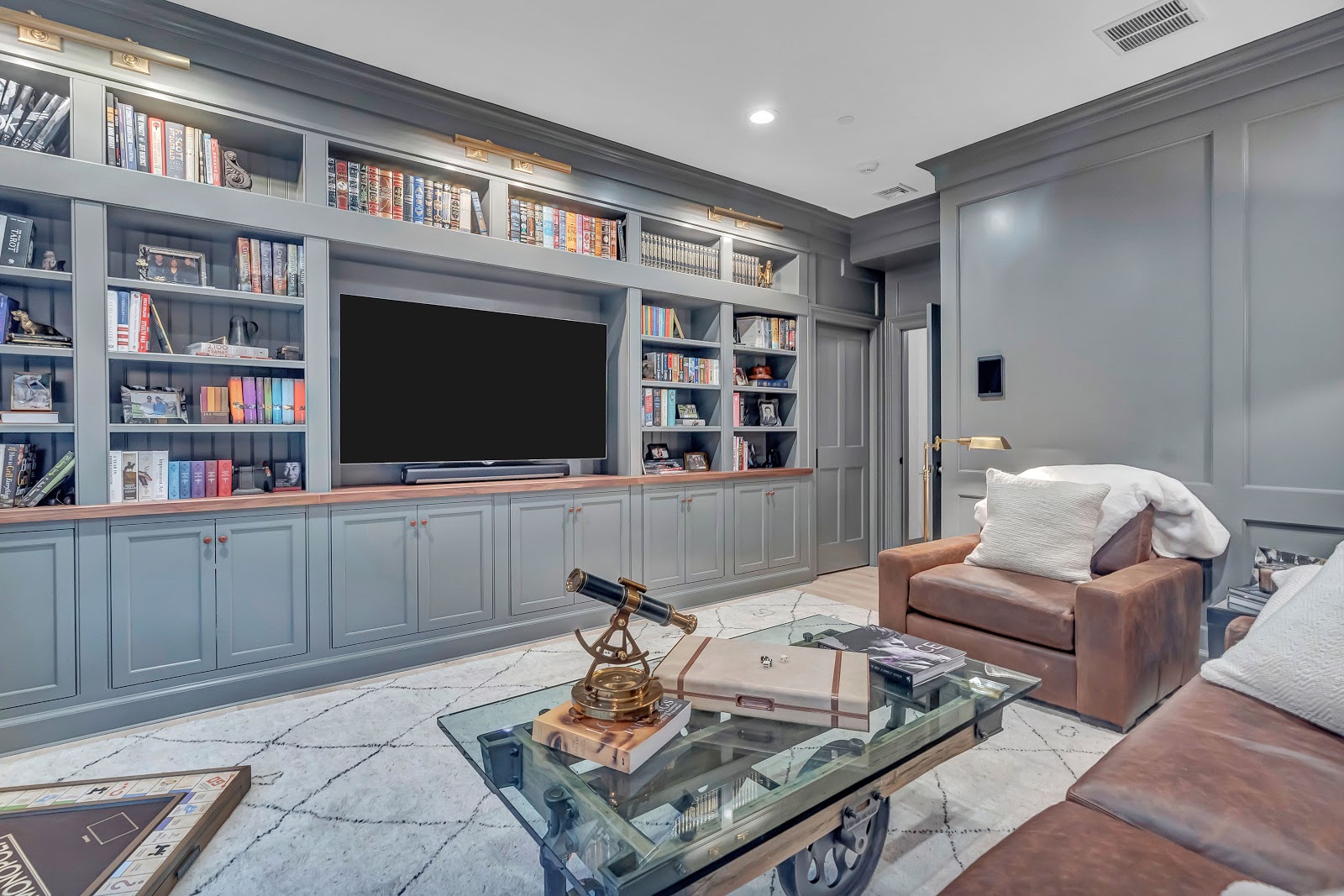
Custom cabinetry always makes a statement and creates a unique focal point in any room. Design a kitchen to meet your needs, install custom bookshelves in the living room, create the walk-in closet of your dreams, and make sure you have the bathroom storage you need with custom cabinetry. 

Countertops

Granite, quartz, or butcher block? Countertops in the kitchen and bathroom last years, so it’s important that you love the ones installed. After you share your vision with your contractor, you can review options and view samples until you find the countertop of your dreams. 

Custom Additions

When it comes to other custom additions, we are thrilled to make your vision come to life! Unit 17 features custom wine storage in the kitchen and Swing Catalyst for perfecting the golf swing. We have worked with residents to create custom home offices, home bars, and more. These final touches make your unit unique to you – and that’s what makes it feel like home. 

Interested in learning more about the build-to-suit options available at the Residences at 66 High Street? Contact us today!
Home Improvements for Aging in Place

In 2020, many people altered their homes for added comfort, private workspaces, and aging in place. Adults are choosing to forgo moving into a nursing home, whether they stay in their own residence or move in with family. 

You can make several modifications to your home to create an environment that is safe and comfortable for all who live there. Many are simple improvements you can make on your own, while others may require hiring a professional. Keep reading to learn more!

Interior Improvements 

Being able to move about safely, despite age or physical limitations, helps people remain independent. Here are some general modifications you can make to aid in mobility around the house:

  • Install handrails. Handrails aren’t just for stairs. Consider adding handrails in hallways, bedrooms, and bathrooms. 
  • Install a stairlift. If going up and down the stairs is required, a stairlift makes it much more manageable. 
  • Automated features. Automated thermostats, blinds, and lighting allow you to make changes without having to stand up. 
  • Open Floor Plans. When possible, widen doorways and hallways. This is especially helpful for people who use a walker or wheelchair. 
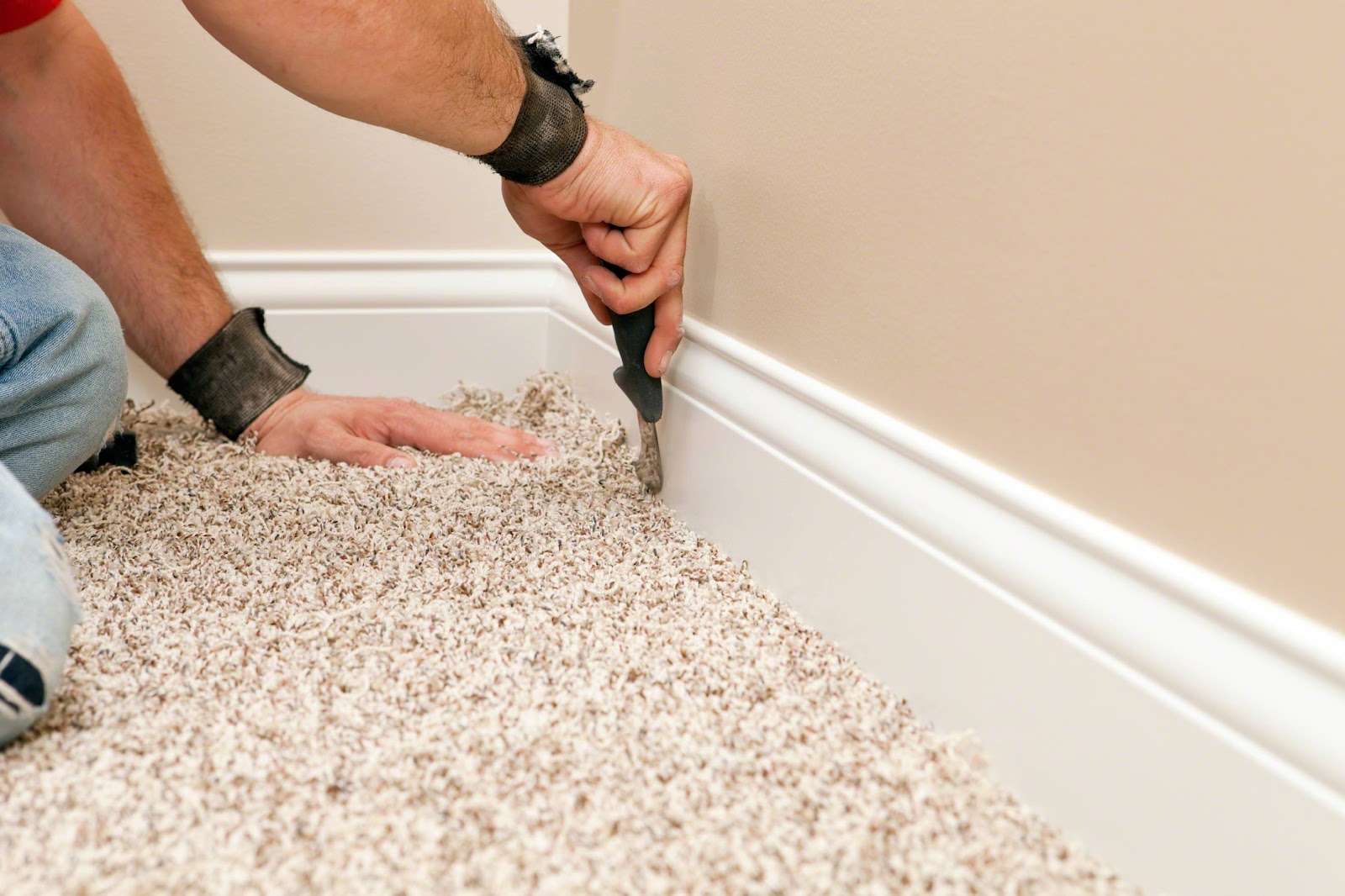
  • Add carpet and anti-slip mats. The carpet adds some extra cushion when walking, and well as traction. Anti-slip strips can be added to the bottom of area rugs to reduce the chances of slipping. Anti-slip mats are also essential for the shower. 
  • Install a walk-in shower. A walk-in makes it easier to get in and out of the shower. Add a bench and handheld shower head for additional ease of use. 
  • Raise the toilet seat. This makes it easier to sit and stand back up. 

Exterior Improvements

A few select changes to the home’s exterior make it easier to come and go and make your outdoor living space more enjoyable for all. 

  • No-step entry. Installing a ramp next to the front or back steps allows easy access in and out of the home. Handrails on both sides of a ramp, and well as any exterior walkways, add extra support. 
  • Modify the door threshold. The slight difference between your porch or ramp and the floor inside the door can be enough to create a tripping hazard. To make a flush threshold, you can raise the porch or replace the doorframe. 
  • Exterior lighting. Ensure all walkways, outdoor living spaces, and entrances are well lit. 
  • Low-maintenance exterior and landscaping. As people age, the exterior of the home is often the most challenging to maintain. Make landscaping easier with an automatic sprinkler system and low-maintenance plants. You can also replace high-maintenance siding for vinyl or brick for less upkeep. 

With some simple features added to your existing space, you can help ensure your home is safe as you or your loved ones grow older. 

Should You Upsize or Downsize?

In the years leading up to 2020, people moved away from sprawling estates and mega-mansions, opting to downsize and move to areas with walkable downtowns. 

This year, there’s been another shift, as people are spending more time at home and are looking for more square footage and outdoor space. People are reevaluating how they spend their time and what’s important to them, including where they live. 

Keep reading for some tips for finding the right size home for your needs. 

Evaluate Your Current Living Situation

We’ve all spent more time in our homes this year. Pay attention to where you spend the most time, and what areas are seldomly used. Could you repurpose a dining room, for instance, if you only use it a few times a year? Reimagining rooms may offer up additional space for the things you want to do at home.

Know Your Financial Situation

Before any type of move, you need to factor in your financial situation. If you are considering a larger home with a bigger yard, know that your property taxes will likely increase. Determine your maximum monthly budget and meet with your mortgage lender to help you figure out how much home you can afford. 

Signs it’s Time to Upsize

Many people are dreaming of more space this year, but you should take time to think about if the extra space is needed or the result of cabin fever. Signs it’s time to upsize include:

  • An expanding family and not enough rooms.
  • Not enough space for everyone to gather for meals.
  • You require a dedicated home office. 
  • You have budgeted in a larger monthly payment. 
  • You want to move out of the city and into a suburban or rural area. 

Signs it’s Time to Downsize

Other people find themselves with too much space. Here are some ways to know it’s time to downsize:

  • You cannot keep up with the maintenance of your home and property.
  • Many rooms in your home are seldom used. 
  • Children or family members have moved out.
  • Your monthly payments are stressing your current budget. 

Determining the right-sized home is a personal choice, as everyone has different needs and priorities. What are you looking for in a new home? Let us know in the comments!

Flooring Options

Your choice in flooring is one of the most crucial decisions you have to make when it comes to home improvement. Different flooring can add texture, warmth, and functionality throughout your home. The material is an essential part of your interior design, and because it lasts for years, you want to make sure the flooring you choose fits your needs. Before you make your decision, learn more about the most common flooring options.

Hardwood Flooring

Hardwood flooring continues to be the top choice for homeowners and homebuyers due to its clean look and long term return on investment. Hardwood floors are often the most expensive option as well, with an average installation price of $4,750. These floors are a durable option for main floor plans and easy to clean. 

Carpet

Carpet allows you to create soft, comfortable rooms while limiting noise pollution. Often found in bedrooms, carpet is one of the cheapest options averaging $7.25 per square foot for instillations. Although carpet may require more upkeep, it is a great economical solution and very kid-friendly. 

Laminate Flooring

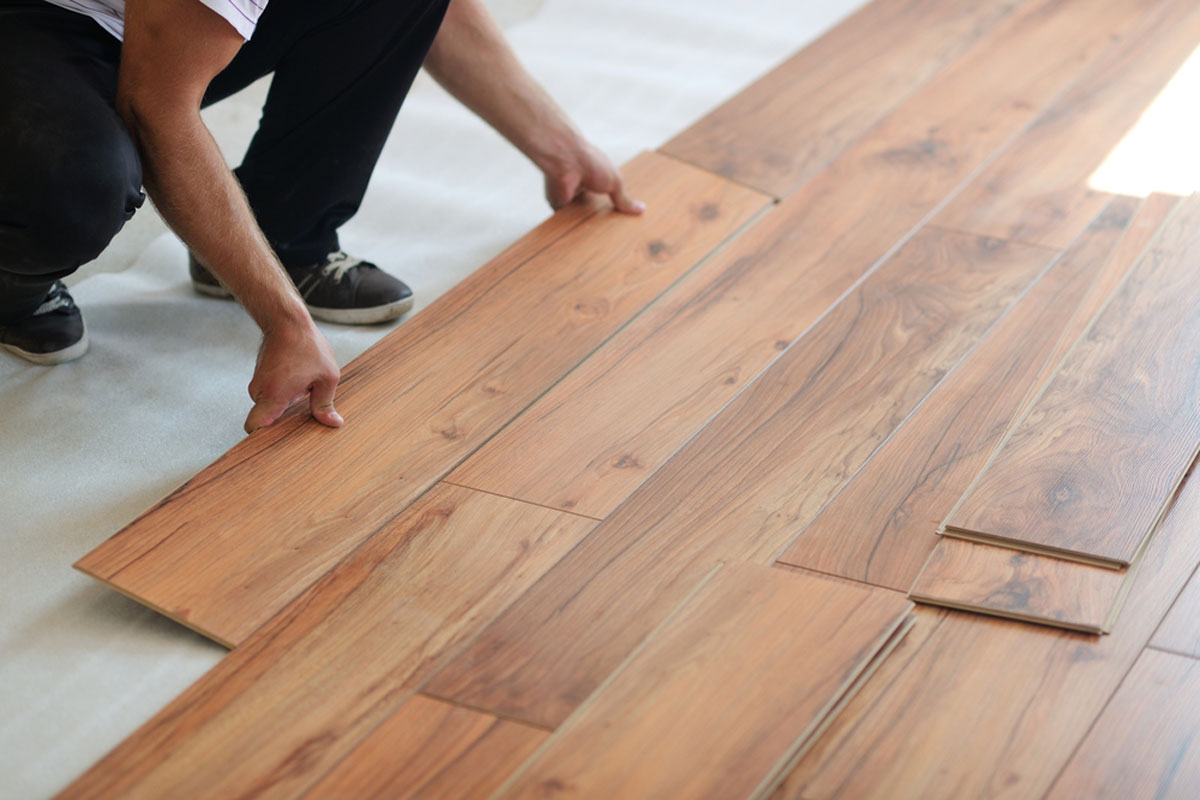
Laminate floors are a popular and affordable option for almost anywhere in the home. Durable, affordable, and easy to install, laminate flooring comes in countless designs and textures to match a natural wood feel. The only disadvantages for laminate floorings are that they are prone to moisture and buckling, requiring a moisture barrier during installation. 

Vinyl or Linoleum Flooring 

Vinyl or linoleum flooring is multi-dimensional in regard to its durability and many different designs. These synthetic floors efficiently mimic wood, tile, and stone, therefore making it the perfect material to put almost anywhere in a home. This option is also affordable and easy to install. 

Natural Stone Tile Flooring

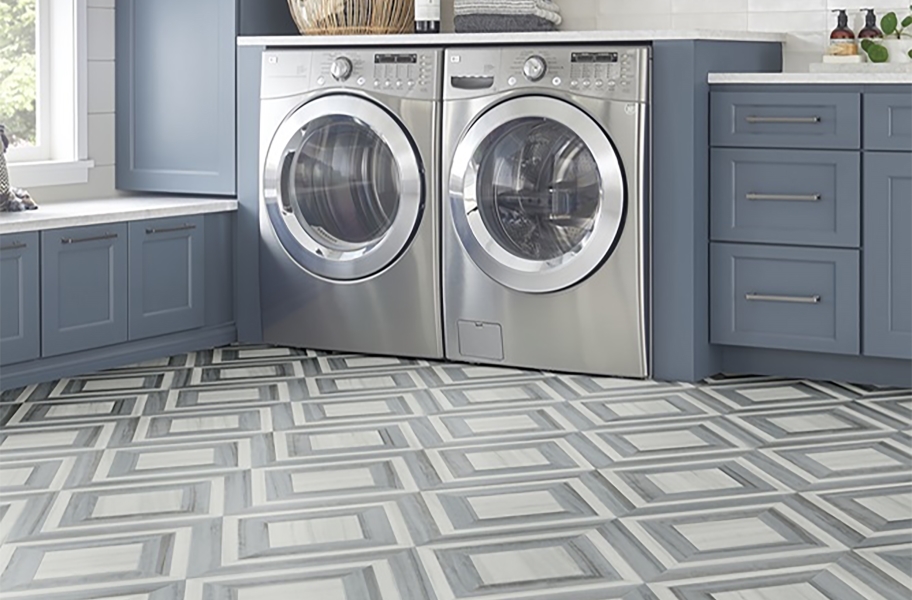
Natural Stone tiling is a classic look that includes granite, marble, sandstone, limestone, and travertine. Of course these looks are a bit more expensive, however they bring a real solid feel to the bathroom, laundry room, and mud room. These natural stone tiles also may require different care depending on what finish is added to the floor, such as polished marble scratching easier than a granite slate. 

Ceramic Tile Flooring

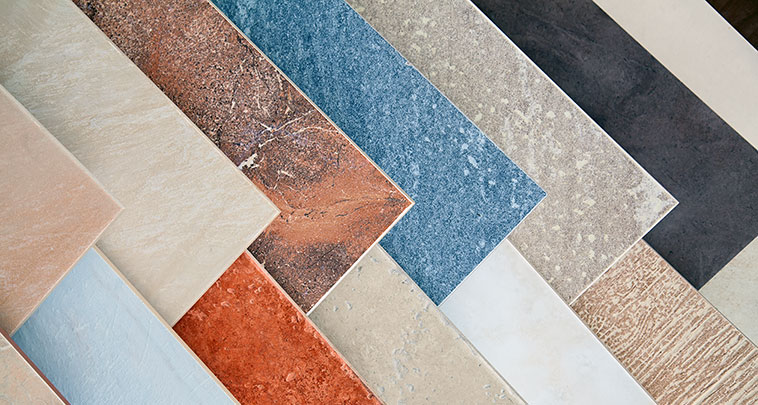
Ceramic or porcelain tile flooring is a durable and non-porous option that accents bathrooms, kitchens, and entrances beautifully. Due to its water resistance, these floors are easy to maintain and secure for your home. Unlike wood or carpet floorings, tiled floors are able to be repaired without having to redo the entire floor. 

Different floors provide different designs to bring into your home. Many homebuyers or home renovators look to preserve as much hard wood as they can due to how expensive it is to replace. Depending on the condition, vinyl and linoleum floors should be replaced in older homes, mainly because newer synthetic floors are much more appealing and affordable as well. The decision is all up to the homeowner, just make sure to educate yourself on these types of floors before purchasing the material!

Benefits of Underfloor Heating

Underfloor heating is a popular trend in new construction. Stepping onto a heated floor in winter months adds a feeling of luxury – not to mention warmth. 

Types of Underfloor Heating

There are two main types of underfloor radiant heating: electric (or dry) and water-based (or wet) systems. 

Electric-based systems are comprised of heating cables that are spread on the ground and connected to the thermostat before the flooring is laid on top. These are generally easier and cheaper to install, but are more expensive to run than wet systems. 

Water-based systems are typically connected to the boiler. Continuous plastic pipes are laid out on a subfloor, and the final surface is laid on top. Hot water is pumped through plastic pipes to create heat. Although more difficult to install, wet systems are more cost-effective over time. 

Regardless if you choose electric or water-based underfloor heating, they both provide benefits over traditional heating systems. Keep reading to learn what they are!

Energy Efficient

Underfloor heating saves energy compared to forced-air or radiator heat. When air is delivered from above, fan power is required to push the hot air down. In addition, more heat is needed to compensate for uneven heating throughout the room. These factors lead to more energy being used and a higher energy bill. 

Underfloor heating starts at ground level, distributing warm air using natural convection. This means less energy is used. Water-based systems use even less energy than electric underfloor systems, because heating water with a boiler uses less energy than heating with electric radiant cables. 

Improved Comfort

One of the main benefits of underfloor heating is it eliminates cold spots. Traditional heating systems can make a room feel too warm, followed by a period of being too cold. There might also be cold spots or drafts, depending on where the heat is coming from.

With underfloor systems, heat is evenly distributed, rising up from the floor. These systems are both silent and efficient, creating the perfect temperature and added comfort for all. 

Improved Air Quality

Forced airflow can have a negative impact on air quality, as it spreads dust, particles, and pathogens. In addition, forced air systems require a higher heat output due to uneven heat distribution. This dries the air, causing dust and pollutant particles to stay airborne longer, plus added irritation to eyes, skin, and respiratory system. Underfloor heating reduces air movement and even distributes heat, which helps to improve air quality. 

In new construction, underfloor heating is often a requested feature, for both comfort and efficiency. What room in your home would you most love to have underfloor heating?

Website Built with WordPress.com.

Up ↑