Advantages Of Living On A Corner Lot

When buying a home, the location is a key consideration in the decision-making process. While factors like the neighborhood or proximity to schools and downtown areas are a common topic of conversation, the lot placement is also an important aspect to consider when shopping for a home. In recent years, plenty of drawbacks of living on a corner property have become apparent to buyers, but many people overlook the feeling of openness and light that a corner property brings to the table. We’ve outlined some of the benefits of living on a corner property to consider in your home buying process.

More Parking

In busy urban areas, extra parking is a huge advantage of owning a corner property. There are many more parking spaces available when your property is surrounded by twice the amount of street space than a traditional lot. This hidden benefit is especially useful if you plan on entertaining large groups of people in your home.

Great Lighting

Corner homes in densely settled areas are distinguished due to the amount of sunlight they get through extra windows. While most homeowners look to maximize any bit of sunlight they get, inhabitants of corner lots have ample light to utilize when decorating the interior of their homes.

Reduced Costs

Corner lots tend to be noisy, especially ones on busy roads. The benefit of the possible increased noise pollution is that you may find a house that’s perfect for you AND affordable. Corner lots on busy roads tend to be priced lower than surrounding homes, so if you can deal with a little noise you’ll likely save a considerable amount of money. 

There’s also a significant chance that you’ll save money on insurance rates when it comes to a corner property. If you live in an urban area, your city may use your corner as a place to put safety features such as fire hydrants. The proximity of safety features may decrease your home insurance.

Extra Space

In general, corner lots are larger in yard size and home size. For a similar price to surrounding homes, you’ll get a more spacious house as well as room outdoors to utilize for gardening, a pool, or entertaining. If you’re looking for an investment property, consider landscaping the yard to perfection and adding fun outdoor features to increase the home value.

Conclusion

When you consider all the benefits of a corner home, it may mean more to you than noisy traffic and extra yard work in the spring. Recently, corner properties have started to become more sought after by homebuyers. If you’re wondering about the potential projects for your home on a corner lot, reach out to us today!

Should You Include a Skylight in Your Home?

If you’re looking for more natural sunlight in a living room, to heat up a bedroom, or have better ventilation in your home, you’ve probably thought about installing a skylight. You might not be sure if a skylight is the right investment for you. We’ve created this guide of benefits and drawbacks to take into consideration when deciding whether or not a skylight is a good fit for your home.

Pros of Skylights

Improved Ventilation For Your Space

Skylight windows can be opened to let in fresh air, which aids with cross ventilation. Especially in stuffy rooms, skylights can cool down the space and freshen up the air without the costs of other ventilation methods, such as air conditioning

Saving on Energy Costs

Skylights can be useful in both the heating and cooling of your space. They can warm up areas of your home that are cold and stuffy due to inadequate lighting as well as provide heat during the daytime. Energy costs can pile up quickly, so a skylight is a great alternative. Just make sure the skylight you choose to install features laminated glass and is leakproof!

Aesthetic Changes Increase Home Value

Skylights are a popular and sought-after cosmetic enhancement. They can add value to your home if you ever decide to put it on the market, as they provide a natural light that creates a beautiful ambiance.

Make a Room Feel Bigger

Skylights often have the potential to make a room feel more spacious. They also allow for beautiful views of the night sky.

Cons of Skylights

Improper Placement

The placement of a skylight is crucial to its effectiveness in the aforementioned benefits above. Make sure to consult a professional about the placement of your skylight

Too Much Light

Sometimes, the placement of the skylight brings in too much light or heat during the day. Proper consultation could help fix this potential problem, making sure you install a skylight in an area that will fit your needs without letting a space get too hot or cold.

Cleaning Issues

Skylights can be difficult and sometimes downright unsafe to clean. From the inside, you’ll likely have to use a ladder to clean. From the outside, you’re likely to have leaves and branches fall on the skylight from time to time, and getting on the roof to brush them off can be a pain.

Conclusion

There are several compelling arguments for and against skylights. Here at the Horton Group, we’re here to assist you with considerations to make when deciding to install a skylight as well as proper installation techniques.

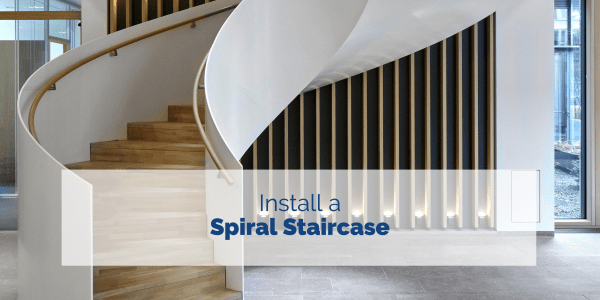
Install a Spiral Staircase

Many homes can benefit from installing a spiral staircase. They’re a versatile design option that can work well in homes with open floor plans as well as ones without extra space to spare. Installing a spiral staircase can add a simple yet sophisticated element to any home. We’ve outlined a couple of reasons that you should consider investing in a spiral staircase.

Seamless Installation

Spiral staircases are a lot more affordable than one might think. Some people even choose to order the materials in a kit to install them by themselves! They are easier to assemble than regular stairs and often much cheaper.

Add Value to Your Home

Spiral staircases are very attractive to architects and homebuyers alike. While they are relatively inexpensive to install, they are one of the most desired elements that boost the value of a home.

Save Space

Spiral staircases can be put in where other types of staircases may not fit, such as cottages or apartments. Even when it’s not a top priority to save space when selecting a staircase, they can make the largest of rooms feel even more spacious.

Versatile

Spiral staircases are known to compliment almost every interior. The material and color used in the construction of spiral staircases can vary greatly while still preserving the aesthetic of your space. Wood, glass, and iron are all elements that you can feature in your spiral staircase.

Conclusion:

Spiral staircases have stood the test of time and have continually stayed popular in a variety of different home styles. If you’re looking for a customizable and aesthetically pleasing update to your home, a spiral staircase might be the perfect option for you. Want to start a project with us? Get to know some of our skilled professionals and give us a call at 203-624-6873.

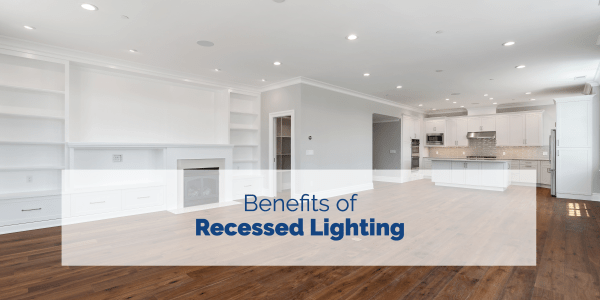
The Benefits of Recessed Lighting

Lighting is one of the most important things to consider when renovating or updating a home. Apart from improving the way a home looks and feels, the right lighting can increase the value of a property. While chandeliers,  wall mount fixtures, and track lights are all right for certain spaces in your home, recessed lighting is the right choice for anyone looking to brighten up a space without installing a fixture that extends into a room and changes elements of its decor. Continue reading to learn more about the benefits of adding recessed lighting to your home.

Increase the Value of Your Home

Recent data from the most popular U.S. home trends suggests that homes with recessed lighting receive around 1,110 views per listing on real estate websites, which is higher than any other top 10 home trend. It’s also been reported that on average, homes with recessed lighting are more likely to sell above list price.

Illusion of Space

Recessed lights naturally make a room feel bigger because there is less physical space being taken up with light cans being set into the ceiling. Different types of trim can also cast more light around the room, especially when spaced further away from the wall and other fixtures.

Highlight Aspects of Your home

When installing recessed lighting, you’re able to highlight specific designs or aesthetics of your home. Use a recessed light to shed light on an art piece, unique structural feature, or special collection. Recessed light can also act as a spotlight in a home office or kitchen.

Safety

The casing of a recessed light keeps it safe and out of reach of children and pets, as opposed to hanging light fixtures.

Versatility

Recessed lighting has many options that you can choose from to customize your lighting setup. A few things you can consider when customizing your recessed lighting:

  • Fixture sizes:  based on the height of the ceiling & size of the area you want to light.
  • Light Bulb Type: control temperature, cost, lifespan, and intensity of light. 
  • Trim styles: an eyeball trim can help with wall-wash lighting, while a flat trim is ideal for a minimalist finish.

Conclusion:

Recessed lighting allows you to upgrade your home in a way that’s both stylish and discreet. The Horton Group has been serving the Northeastern United States for over 20 years, and we’d love to help you, too. Want to start a project with us? Get to know some of our skilled professionals and give us a call at 203-624-6873.

Increase Your Home Security

While burglary rates have steadily declined over the last decade, a burglar still strikes every 25.7 seconds in the United States. In order to avoid becoming an easy target for break-ins and feel safer in your home, consider the following home security tips.

Common Sense

Most break-ins that occur are crimes of opportunity, where burglars are able to walk right through the front door. While always locking doors is easy enough, also be sure to secure mail slots, use deadbolts as reinforcement, and avoid doors that have glass near the handle. Be sure to always change your locks when moving to a new place.

Security Systems

A security system isn’t a guarantee to keep burglars out, but it does make the task riskier. Security systems can serve as a deterrent as well as proof of a crime after the fact.

Outdoor Lighting

Anyone looking to break into a home will want to avoid being in the spotlight. Using motion-activated lights around the perimeter of your home will likely deter criminals in the initial casing of the property or even when they’re attempting a break-in.

Secure Valubles

Technology, cash, and jewelry are the main things burglars look for. Make sure to keep valuables in a safe or out of plain sight.

Plan for Vacation

Another way to ensure your home’s security is to avoid advertising when you’ll be away from your home for long stretches of time. If you know your neighbors well, ask them to keep an eye on your place. Have your mail held at the post office and save posting on social media about your trip until you get home.

Conclusion:

increase your home security

Securing your home doesn’t always have to be costly or time-consuming. By using a few of these tips you can feel safer and know that your home is unlikely to become a target for burglary.

Turning A Spare Bedroom Into Something Useful

Do you have a spare room that is not suitable for a bedroom? You’d be amazed by the endless possibilities that could come from transforming a bonus room. Turn it into something useful! Here are a few ideas to start with.

Storage Room

Typically, homeowners who decide to downsize their homes own more furniture, clothes, etc. Whether they are of a sentimental nature or being saved for a future use, it is hard to completely purge yourself of a whole house full of goods. Storage units became a viable option for people in this predicament, but those tack on an additional monthly fee. Transforming your spare room into a storage room to house all your overflow can be a solution to help keep costs down.

Using bins, baskets, and shelves you can manage to organize all your possessions in a thoughtful way and you will likely find yourself able to keep minimizing when the stuff is more present in your day to day. 

Private Office

If you value your moments of silence or getting away from all of the activity that runs throughout the house, then remodel your bonus room into a private reading room or office. Give yourself a secluded area with sensitive lighting and soundproof walls to keep you undisturbed and focused. 

Install a private library and invest in office furniture like a corner desk or a few modular seats to make the room more comfortable and accommodating.

Game or Sports Room

If you have children, giving them room to run free is always a good idea. As we all know, kids can be messy. Giving them a play or game room can keep that mess away and unseen. You’d be surprised how many kids value having space to play that doesn’t require much clean-up afterward. 

If a few arcade games or a big flat screen tv to watch sports is more your speed, then a sports room could be of service. Adding a dry bar and a lazy boy recliner to the center of it all would make it the perfect private sports arena. 

Fitness Room

Not interested in paying for a gym membership? Then invest in the necessary equipment and turn your bonus room into an at-home fitness center! Work up a sweat and get pumped up from the comfort of your home instead of having to share the equipment in a public setting.

A huge plus to installing a gym in your home is never having to wait your turn or constantly having to change the settings/add weights to your equipment. Many people avoid going to the gym because of intimidation or packed capacities. Working out from home is safe and much more relaxing. 

Vanity Room or Walk-In Closet

A vanity room or “glam room” is a pivot we are seeing as a new trend in homes in 2021. Using appropriate lighting and mirrors, you can easily set up a place to pamper and maintain self care. Vanity rooms can be remodeled any way but typically carry over a more classic and chic look. 

Move your clothes in, start hanging up shelves, and give yourself a grand walk-in closet. This is typically useful for those who choose not to part with their favorite clothing items or married couples who need the extra space. Turning your bonus room into a walk-in closet could be an excellent opportunity for an ROI and can accommodate more than one person. 

At-home Theater

Depending on the size of the room, one of our favorite ideas is an at-home theater. Add surround sound, a projector with screen, and the seating arrangements of your choice! 

This allows for flexibility in your own showtimes, as well as a place to gather with friends and family. The nature of a space like this would provide a more intimate and cozy atmosphere for your next movie night.

Do you have an idea of what to do with a spare room? Drop us a comment and share it with us!

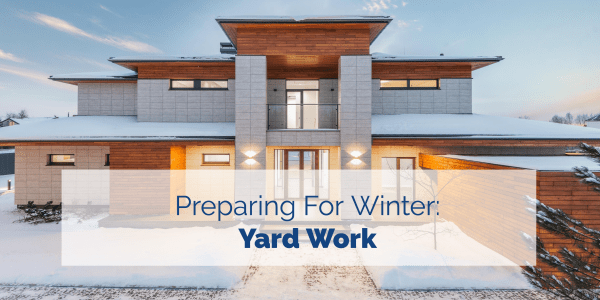
Prep Your Yard for Winter

Prepping your yard for the winter is encouraged regardless of your kind of climate. In the fall, it’s known that the lawn responds better to treatments. Grass typically grows more robust thanks to nutrients being fed and stored in the winter. Think of this like hibernation. When the woodland creatures stock up on food, it’s to help them last through the colder season as it becomes more challenging for them to survive. These tactics are going to help you better take care of your lawn.

Pack Up Last Summer

Worse than seeing those back-to-school commercials is putting away patio furniture. Saying goodbye to summer is always a hard thing to do, but packing it up can maximize safety protocols. Outdoor furniture, regardless of it being able to handle environmental conditions, should be washed down and tucked away in a garage, shed, or any kind of storage unit. Lawn chairs and tables can rust over time; putting them away pushes back buying a new set and saving you more money for the following summer break. 

Winterize

Fall fertilizing, also known as winterizing, is necessary to help your garden and yard work maintain their beauty throughout the wintertime. Almost like packing leftovers in the freezer, winterizing helps the grass remain fresh and vibrant when spring comes and melts away the snow. Use the appropriate fall fertilizer to avoid any new growth damage in the grass depending on your typical climate weather and the time mark for when seasons change.  

Pave The Way

Get it done! Repair pavements such as the driveway, walkway, and that crack in the front step you’ve meant to take care of all year. When the snow starts to fall, any damage that is not catered to can worsen over time. Unsafe conditions can lead to damage repairs, which means more money on home maintenance.

Trimming

Trimming your branches is highly advised before winter reaches. The icy snow can be hefty on the brittle branches, causing them to snap at any moment. They also carry very sharp icicles, which can be dangerous when loved ones play in the backyard creating snow angels. Best to cut them down now before any unlikely harm comes knocking at your door.

Protect The Plant Babies

Preparing your yard for the winter might seem like a chore. If you are someone who cares deeply for their garden and array of plants, you won’t be so happy when those critters come nibbling on them for a snack. Tree guards or other forms of plant screenings could help best when up against nature’s animals. But in the long run, when the ice and snow start melting away, left behind is the same untouched, beautiful, plush grass you’ve maintained the rest of the three seasons.

Protect Your Home From Flooding

An unexpected flood can be devastating and damaging to your home. Hurricane Ida has shown us how under-prepared Connecticut truly is. To better protect yourself and your home, here’s our advice on how to keep safe in case of a flood emergency.

Flood Insurance

Repairing your home after a flood can cost up to $25,000 for just an inch of water. A few houses were reported to have water up to your knees after the last hurricane. It is essential to be prepared with flood insurance, especially in a high flood-risk area. Not that flood damage isn’t already included in a regular home insurance plan, but flood insurance should be purchased separately. Only some insurance companies, by name, can better protect you from the destruction caused by a flood.

Invest in a Sump Pump, Flood Sensors, and an Automatic Shut-Off Valve

Invest in protective measures to minimize the damage. A sump pump will pump water out of the basement. Flood sensors will alert you immediately to any water where it shouldn’t be or a cracked pipe, allowing you to respond quickly. An automatic shut-off valve will shut off the main water supply when activated.

Build a Barrier Around Your House

If permitted by your local building codes, consider a floodwall or levee around your home. A temporary solution that can be a tremendous last-minute line of defense is piling a wall of sandbags, 1-foot tall, around your home.

Keep Important Items Safe

If living in a flood-risk area, elevate expensive appliances like your water heater, washer/dryer, and electrical panel off the ground. This includes any electrical appliances that can short circuit in the basement, such as a laundry unit or a second kitchen. You should also keep all your private documents like your passport or birth certificate in a waterproof lockbox on a shelf higher up.

Be Prepared

Be better prepared the next time a hurricane comes flying in. Work out a flood plan beforehand, so you know what you need to do and what essential items are to be fully stocked in case of an emergency. Your emergency kit should include first-aid, medicine, flashlights, and batteries, and sometimes non-perishables.

Conclusion

Some people may not know that they live in flood-risk areas, so you should always make suitable investments to protect your home. Have more questions or need expert assistance building these safeguards into your home?

A Home Maintenance Guide For Homeowners

About to purchase your first home and not sure what kind of maintenance will come with it? Like many things in adulthood, owning a home comes with a lot of responsibilities. Aside from paying the light bill and Wi-Fi, the up-keep is just as essential as cleaning out your garbage disposal. Here’s a rundown of some of the most common maintenance needs as a homeowner.

Frequent Maintenance

When you first move in, change the locks! While it is uncommon for previous owners to break into your home, you always want to lower the possibility of anyone other than yourself having access. Every month or so, be sure to change the batteries to all smoke and carbon monoxide detectors. If you hear any beeping sounds, don’t ignore them. That’s its way of alerting you to change the battery pack. 

Ever wondered why you always get a stuffy nose at night? Or why do you constantly have an urge to sneeze from time to time? Try changing your HVAC filters. When left untouched, all that dust and debris can build up and will likely be the cause of your restless nights. Try it out. You’ll see a change in your sleep pattern and HVAC appliances.

Check for leaks around the house, and if you need to recaulk the bathroom or windows, replace them. You don’t have to worry about it so soon if done professionally, but it can wear down after a while. 

Inspect your fire extinguisher. While it’s true fire extinguishers don’t come with an expiration date, forever isn’t promised. You’d be surprised how little previous owners checked theirs.  It’s always better to be safe than sorry in case of emergencies.

Finally, locate essential items like the water shut-off valve and circuit breaker. This is second-hand knowledge that could be helpful if inspectors plan a visit or any kind of renovation that needs to be done regarding sinks, showers, toilets, lighting, etc. 

Long-term Maintenance

Moving forward are some examples that need to be handled less often but should always be kept in mind for the future. The following repairs or replacements can get expensive, so it is crucial that you do your research. Think ahead of the uncertainties and set aside money to properly maintain your at-home paradise. 

Inspect your chimney, mainly if it’s not being used often or adequately. Cover your AC unit, empty your lawn mower fuel tank, and winterize any exposed pipes before the seasons change. Check for any winter damage like the roof and siding, and clean out those gutters every spring. During the summer, reseal your deck, open up your pool (if you have one), tend to your landscape paradise, and inspect for pests. 

After every six months, clean your refrigerator coil, vacuum your air vents, and clean your showerheads. After a year, drain your water heater, clean out the dryer vent, and get your septic cleaned out too. We know this may sound like a list of chores, but imagine all the money you’d be saving if you didn’t have to pay for heavy-duty replacements all at once. 

From 5 to 10 years, replace the dishwasher, microwave, and kitchen sink. In the meantime, set applicable appliances, like the dishwasher to self-clean. Get rid of that old water smell and mold that could be growing. After about 15 years, and if you still live in the same home, replace your water heater and refrigerator. Also, and this is something that usually gets overlooked, replace your garage door opener or motor. 

Conclusion

Many people think in an “if it ain’t broke, don’t fix” scenario which isn’t always the safest idea. Your home is your greatest investment, and it’s important that you maintain its beauty. Do your research and follow up on the signs like random puddles of water by the fridge, or clanking pipes by the boiler. Beeping usually means changing the battery, and a stuffy nose can lead to clogged AC filters. While we hope this list helps you prepare for your homeownership journey, contact us if you have any questions.

Aging-in-Place: Accessible Housing Tips

According to a 2018 AARP report, 76% of Americans ages 50 and older say they prefer to remain in their current residence and 77% would like to live in their community as long as possible. In order to make this wish a reality, homes must be designed with age-in-place features to help older homeowners stay comfortable and independent in their own homes for as long as possible. 

Here are some of the top features to include for aging in place:

Overall Design

Your home should be designed in a way that even as you get older, you’ll still be able to navigate the entirety of the house, or at least the areas you use most often. 

The simplest way to do this would be to choose a one-level house with an open concept. If you do have a house with more than one floor, try moving everything to the main floor. That way it is much more accommodating to get to your everyday needs as you grow in age. If you’re looking to move, keeping an eye out for a first-floor master bedroom, kitchen, and bathroom should be top priority.

If you regularly need to access the second floor of your home, we recommend a motorized stairlift. Some homeowners are even installing elevators in their homes.

Build wide doorways (36”) and halls to accommodate wheelchairs or other walking aids. The home should have a level walking surface. This means no areas that you have to step into and no tripping hazards like thick throw rugs.

Doorknobs should be replaced with easier-to-grasp levers, and lighting should be ample to accommodate failing vision.

Smart home features are also great for aging homeowners! Any process that can be automated or controlled by the push of a button will save a mobility-challenged homeowner from straining or possibly injuring themselves.

Bedroom

Your bed and bedroom furniture should be low and easy to access. Install handrails near the bed. In the closet,  install lighting and pull-down rods.

Bathroom

Bathrooms can be dangerous for elderly homeowners. Avoid step-in tubs and opt for a shower instead. Install a shower seat and handrails in the shower and near the toilet.

Kitchen

Make sure everything in the kitchen is within reach. Low storage options are preferred rather than storing items in high cabinets. Install chair-height countertops and appliances and touchless faucets. Choose appliances with buttons on the front so you will not have to struggle to reach towards the back.

Outdoor

As you get older, it may become difficult to maintain your outdoor space. Choose low-maintenance plants and install a sprinkler system. It also wouldn’t hurt to ask any younger kids in the neighborhood to help out. They’re great in company, and affordable. 

Financial Assistance

Aging-in-place modifications can be expensive, but there is financial assistance available. Medicare, Medicaid, or private insurances may cover some modifications. You can also check with your local state Aging or Housing agency for assistance.

Conclusion

Aging in place is certainly possible with careful planning and the proper home modifications. If you have more questions and would like to speak with a remodeling expert, please reach out.

Website Built with WordPress.com.

Up ↑