Add Architectural Details to Your Home

The difference is always in the details. 

When you walk into a custom home, you can immediately tell the difference. Architectural details can make any space come to life, adding a luxurious and timeless element to your home design.  

Keep reading for simple ways to add architectural details to your home. 

Baseboards
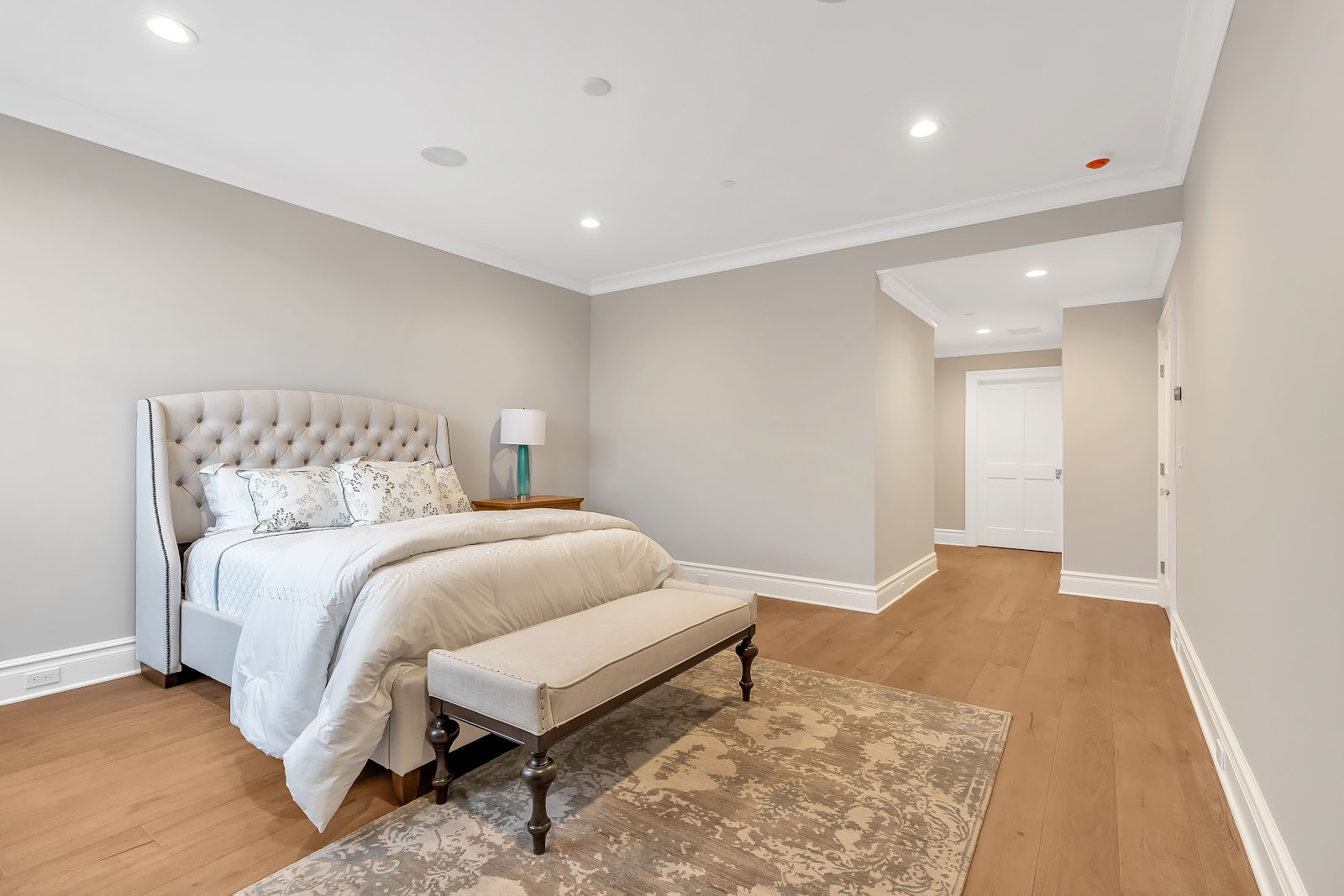
Baseboards cover the joint between the wall and the floor, hiding any imperfections and protecting the wall. Since baseboards run throughout every room in the home, they also serve as a visual link. If your baseboards are outdated, select a new decorative molding, or paint the baseboards to freshen up every room. 

Door and Window Trim
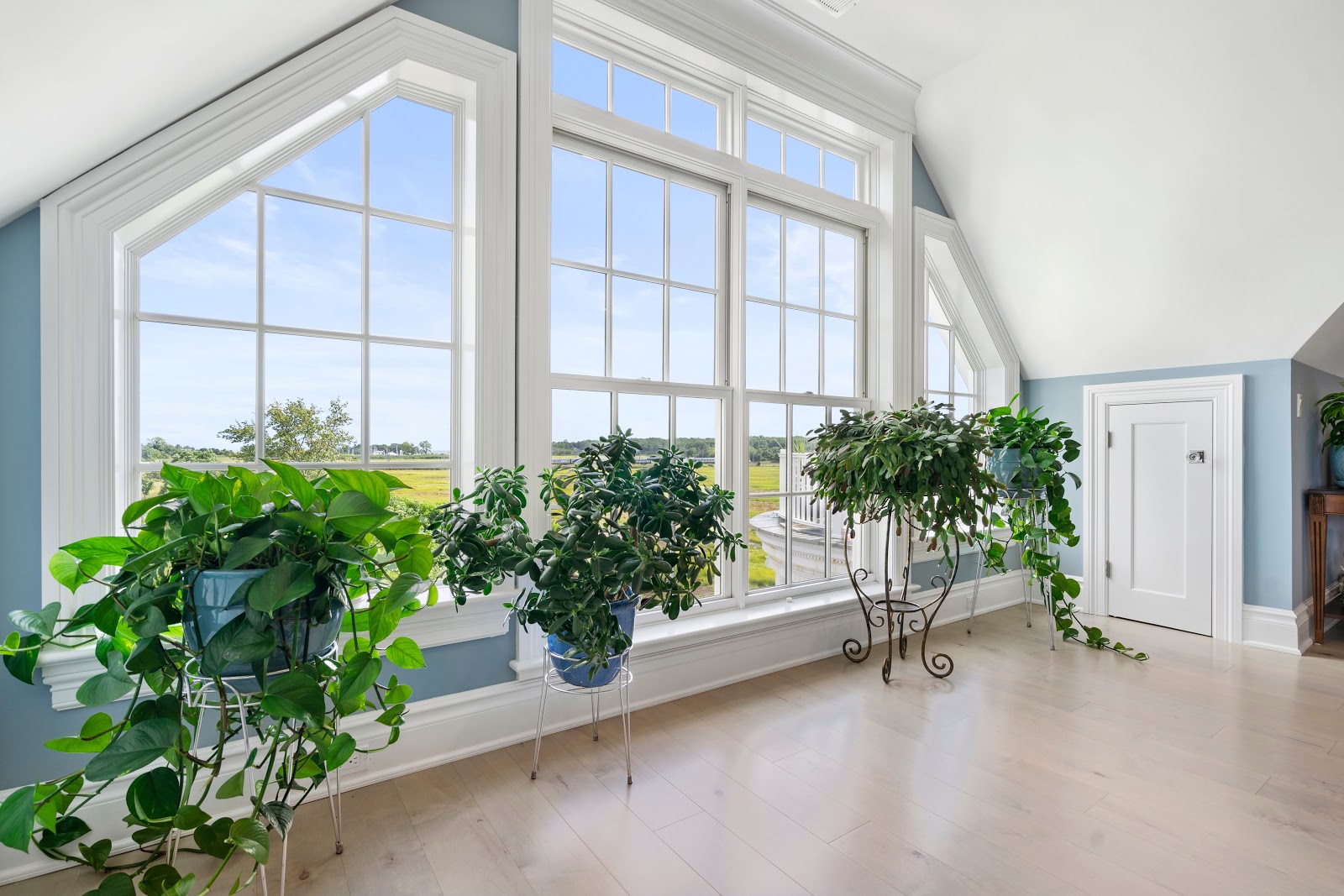
Door and window trim, also called casing, comes in various prefinished and unfinished options, ranging from simple to elaborate. Mitered door casings connect each piece of trim with an angled joint. If your home has high ceilings, butted casing offers a wider head casing for the top of the door, drawing the eye up. 

Crown Molding
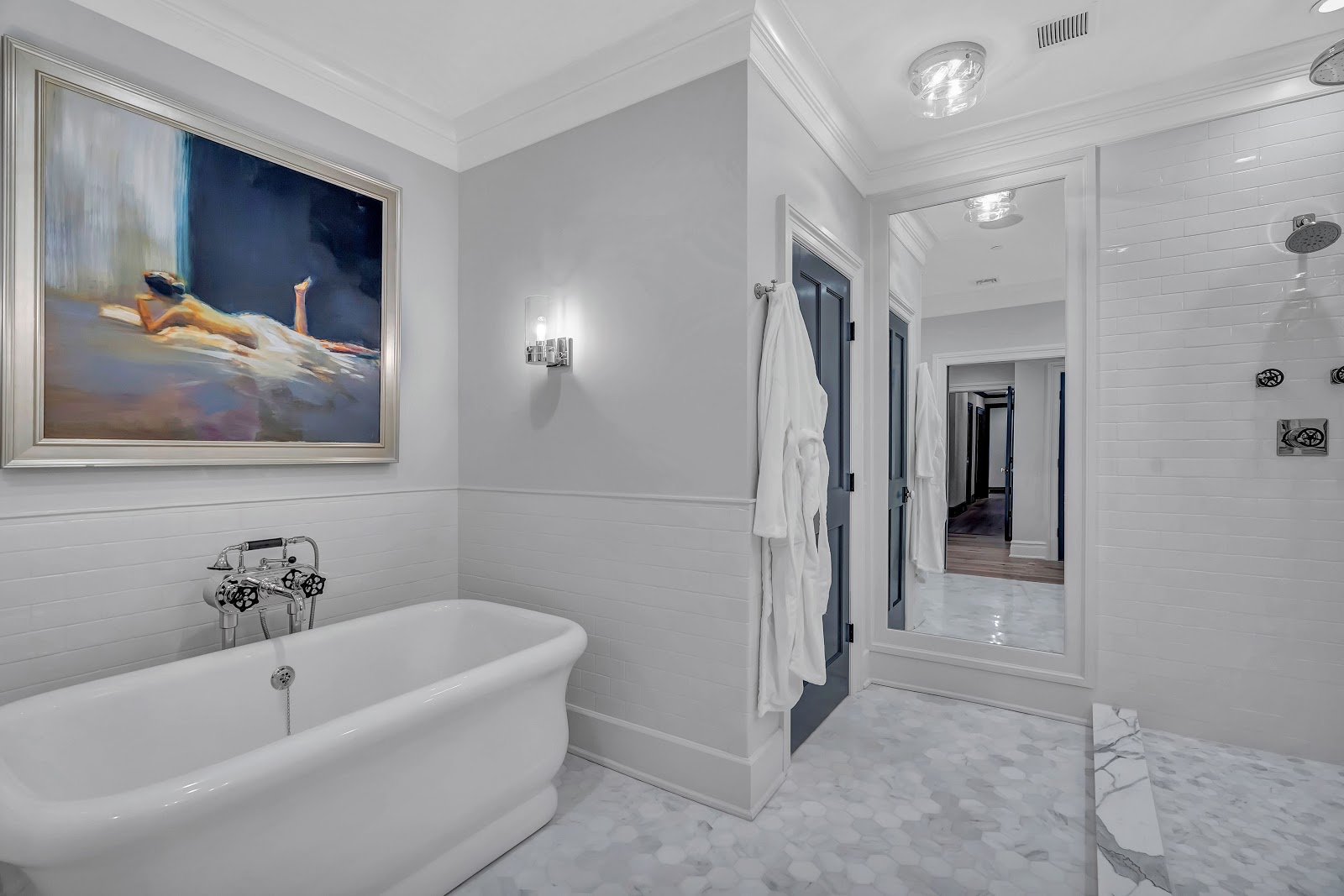
Crown molding can be installed where the wall meets the ceiling or cap off cabinets and columns. This decorative finish changes the style of any room, makes the ceiling feel higher, and adds a sense of luxury. 

Chair Rail 
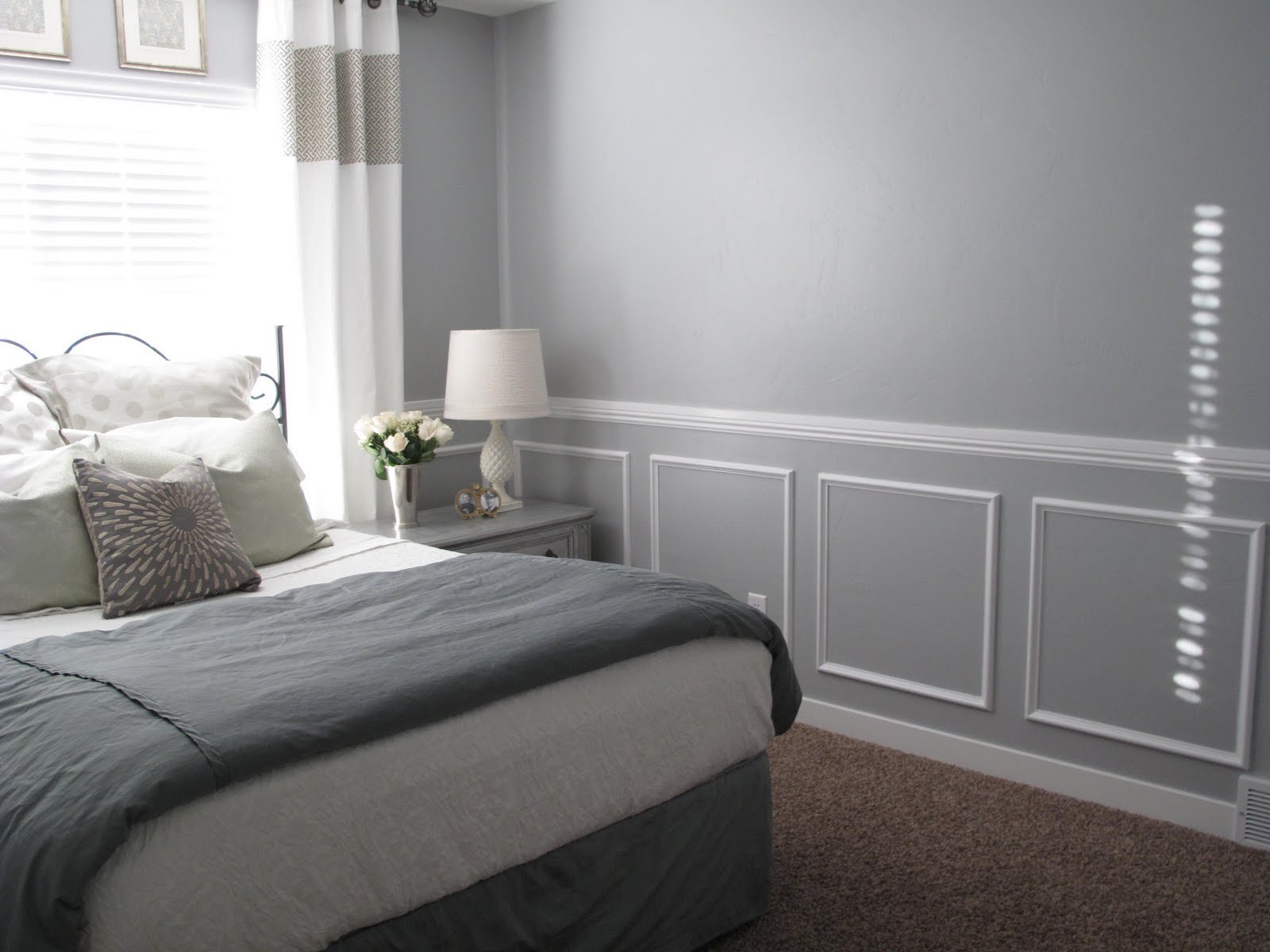
Chair Rail is another type of molding, applied horizontally to walls. Chair rail provides a classic decorative element and protects high traffic areas where furniture is frequently moved. Chair rail is often found in dining rooms, breakfast nooks, and living rooms. 

Hardwood Floors
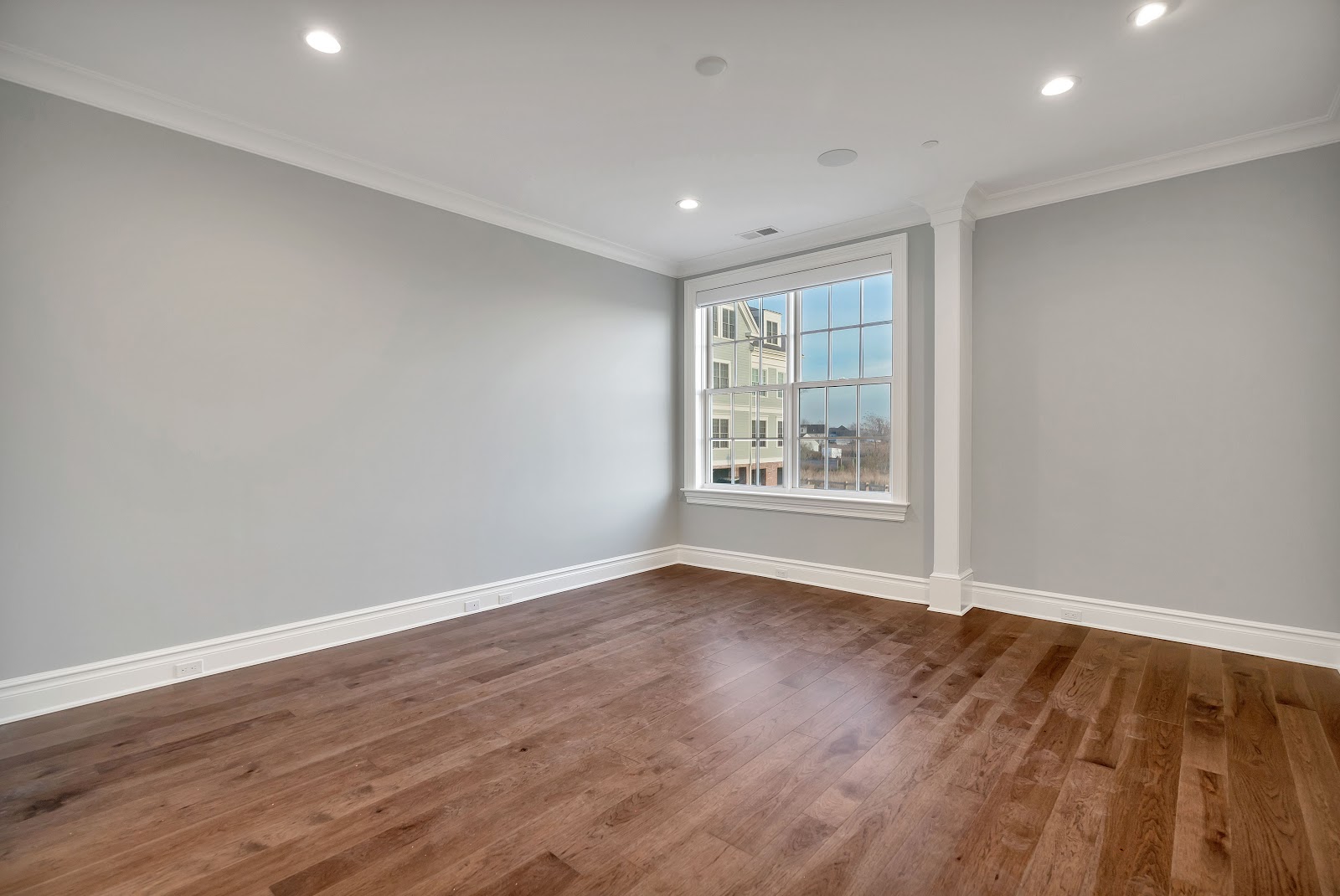
Hardwood floors instantly create a flow throughout your living spaces. Hardwood can match any style, and typically adds to the value of the home.

Ceiling Beams
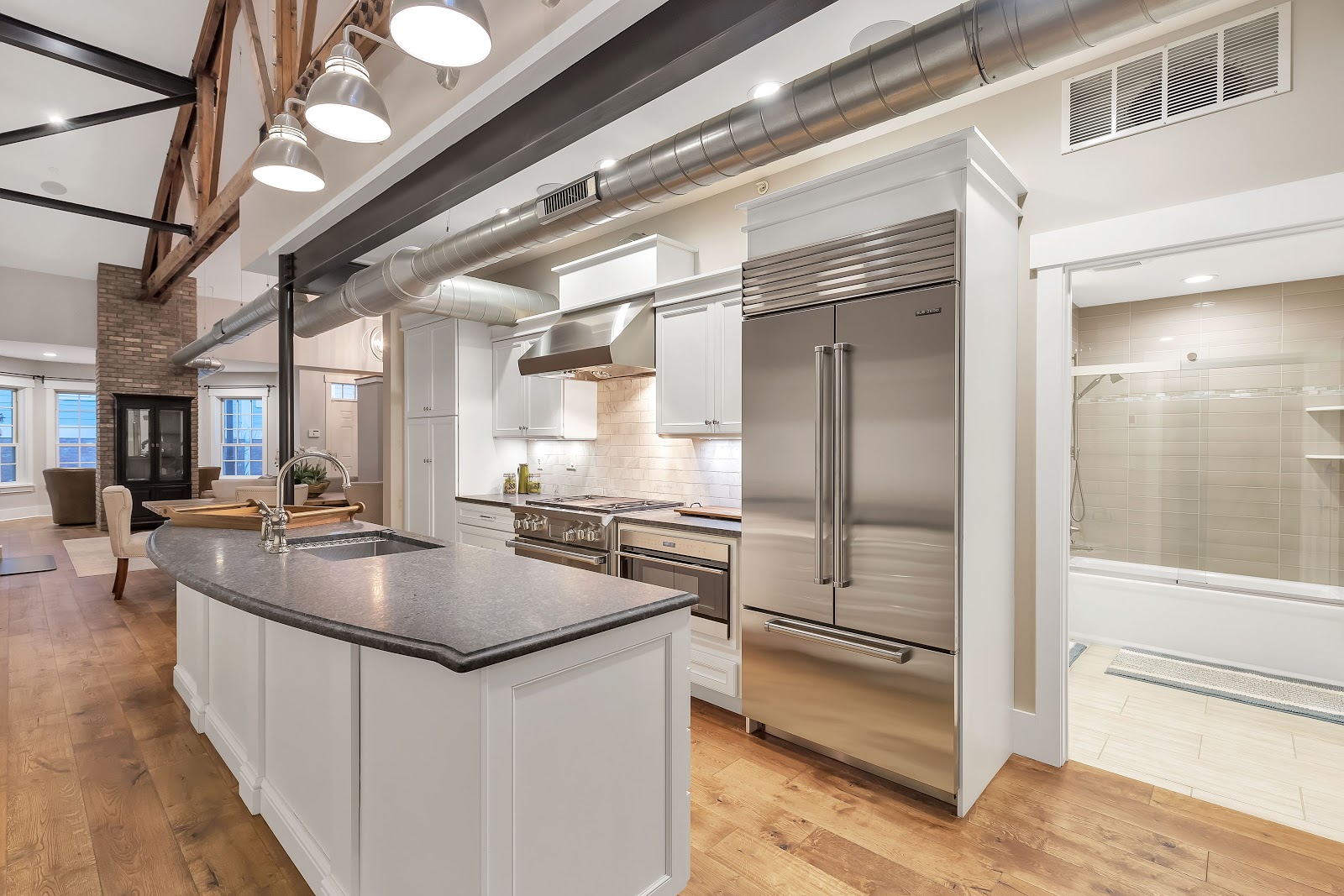
Ceiling beams are another way to draw the eye up. While some beams are essential to the property’s structure, exposed beams can also add to the design of a space. Whether opting for a rustic vibe with wooden beams, or a modern interior with metal beams, ceiling beams add a visually appealing focal point in any room!

Color Contrast
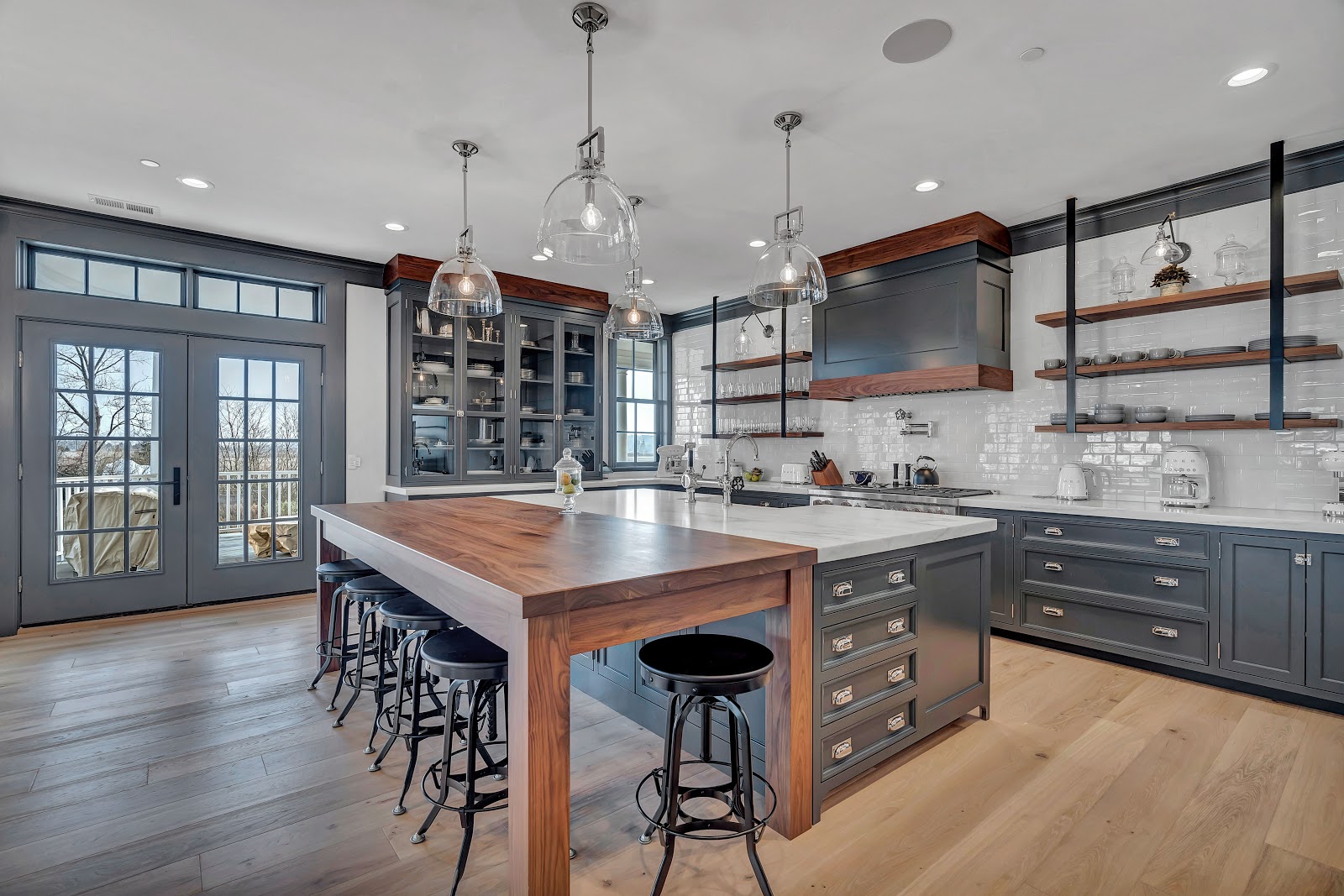
One of the easiest ways to highlight architectural details in your home is with contrasting colors. If you opt for dark hardwood floors, select a light paint color for the walls. Another option is to contrast light cabinetry with dark countertops, or vice versa, to create depth. 

Architectural details can create simple or bold statements. What’s your favorite way to add in architectural detail?
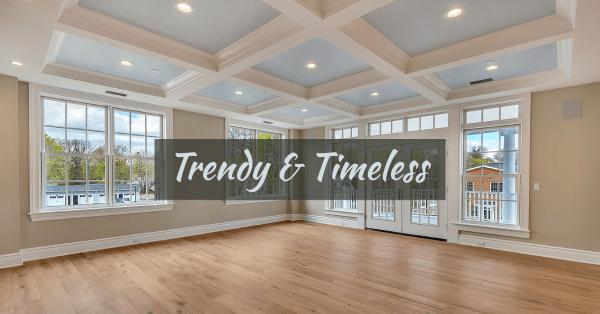
Home Design that’s Trendy and Timeless

A new home comes with endless possibilities – including the overall design. The best part about new construction is you have a blank slate to create the home of your dreams. While recent home design trends can be fun to incorporate, they don’t always last long.

No matter your preferred style, you can customize your home, so it is both trendy and timeless. Keep reading to learn how!

Start with Function

When meeting with your builder, decide on an overall layout that meets your needs. An open floor plan often allows for flexible living spaces that can be modified to fit your changing lifestyle. In addition, a bedroom option on the main level creates the opportunity for one-level living, should you or a loved one need it. Review the pros and cons of floor plans with your builder to determine what works best for you. By starting with a practical floor plan, you’ll be able to enjoy the space for years to come. 

Go Classic with Big Items

Big construction items are generally harder to change out, and therefore more expensive. If you want a design you’ll love for years, select classic options for exterior finishes, flooring, countertops, and cabinets. Selecting quality materials for finishes ensures these items will last in terms of function and design. While they may be more expensive upfront, high-quality finishes are both luxurious and timeless.

Sprinkle in Trends

If there is a trend you love, incorporate it in a way that can easily be altered. Paint color can easily be changed, as well as furniture and decor. Light fixtures and hardware can have a drastic effect on the overall style of a room. These small ticket items can easily be upgraded should you get sick of them in a few years. 

We’d love to know – do you prefer a classic look or love to switch it up with the latest trends?

Mixing Metals: Dos and Don’ts

Cool metal tones have been the norm in homes and offices for years. Now, stainless steel, nickel, and chrome are starting to take a backseat to warmer finishes. 

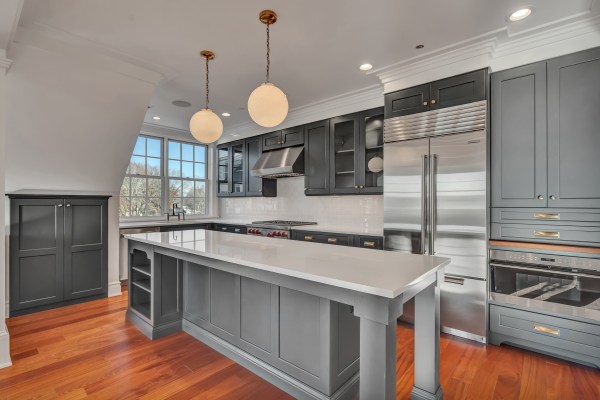
Gold, copper, and bronze are appearing in kitchen and bathroom designs, but not in the polished and shiny way of the 70s. Brushed brass is a fresh look for all who are tired of the cool metal tones. 

The new trend doesn’t mean you should swap all your hardware, light fixtures, and plumbing over to gold or brass – especially if you are not sure if you love the look. Mixing metals allows you to incorporate warm and cool tones. When done right, mixing gold and silver creates eclectic spaces, making it look like items have been collected over the years. 

Keep reading for the dos and don’ts of mixing metals in interior design.

Do: Choose One Dominant Metal

One metal should stand out as the most prominent in any space. To keep the balance, select one metal for larger features or decor pieces and then choose one to two metals for accent pieces. 

Don’t: Mix More than 3 Metals

Matching all finishes creates an outdated, monochromatic look. On the other hand, mixing too many metals creates a distraction for the eye. In a smaller space, select two metals: one dominant and one accent. In a larger room, you can go up to three metals, especially if the third is for a statement piece. 

Do: Mix Warm and Cool Tones

Warm metals include gold, brass, and nickel. These rich colors add a pop to any room. Cool colors, such as silver and stainless steel, can be mixed with warmer hues. All metals can go together, as long as each finish is a thoughtful addition to the overall decor. 

Don’t: Forget about Texture

Polished, hammered, and matte finishes change the look and feel of each metal. Consider changing up the texture of the metals throughout the space, as well as the metals being used. 

Do: Space Metals Out

Metal on top of metal can make a room feel too industrial and cold. Spread out metals throughout the room, both horizontally and vertically, for a finished look. 

Don’t: Disregard Small Accents 

If you are easing into the thought of mixing metals, you can begin with small decor pieces like a small sculpture or understated light fixture. This keeps it subtle while adding a new dynamic to the room. 

We’d love to hear your thoughts! Do you love the look of mixing metals or do you think it’s just a fad?

Website Built with WordPress.com.

Up ↑