Basement Renovation Tips

Basement renovation is a great home improvement project. Not only does it increase the value of your home, but it provides your family with more space for living and storage. As with any renovation, the most crucial stage is planning. This week, we’ve outlined some simple tips to help you get started. 

Envision How You Want to Use the Space

The first thing you need to consider when you start planning is how you want to utilize the extra space. For example, you may be looking to create a home gym, game room, or guest bedroom. What kind of space you’re looking to create will affect the rest of the planning and cost of the renovation. 

Draft a Detailed Floor Plan

Create a floor plan and use it to figure out how your finished basement will fit together. Once your plan is in place, check the foundation walls and floor for excess moisture. Any cracks will need to be repaired, and professional assistance may be required at this stage. Be sure to examine the structure for supporting posts, low ceilings, and floors below the sewer line. These can pose challenges, and you might want to consult a contractor for a thorough inspection.

Consider your electrical and plumbing needs.

Always make sure you hire a certified electrician for any electrical work and consult a building inspector on any required permits or considerations. Now’s a good time to decide what type of insulation you’ll be using, whether it be spray foam or sheets. Again, make sure to consult a professional to ensure you get the proper insulation for your needs.

Choosing Drywall

Next, choose your drywall. Moisture-resistant drywall is an excellent option as basement areas are prone to moisture. You also need to decide what kind of flooring you’d like and repair any cracks in your subfloor before installing anything new. You might also want to consider waterproofing your concrete. 

Calculate Costs & Budget Accordingly

Start by considering all the prices for installations and additions such as vents, windows, drywall, floors, and lights. Save your decorating and furniture expenses for last. The final step is deciding what you can do yourself and what requires the contractor’s expertise.

The Horton Group is always here to help with the trickier parts of any project, so don’t hesitate to contact us with any questions about building!


Should You Move or Renovate?

Trying to decide between moving and remodeling is not an easy task. Both options come with their fair share of financial stressors and headaches. This week, we’ve outlined some questions to ask yourself when making this big decision. 

What Do I Need in Terms of Space?

Renovating can only do so much to accommodate a growing family. Consider your need for more space when deciding between moving and adding a house. Will the additions you have in mind add value to your home? How long will you need to accommodate a growing family? If you’re just starting a family, you’re looking at a long-term need for extra space, and moving may be a better investment. Consider talking to both a contractor and a real estate agent to calculate the costs of each option.

How Will Your Commute Change?

Choosing to relocate may affect your commute, for the better or worse. A shorter commute will add more time in the day for exercise, family time, and fun and will generally increase your quality of life. Be very wary of relocating to a home that could significantly increase the time you spend getting to and from work each day. Is your current home close to work and ideal for your schedule? That could signify that you should stay where you are and renovate. 

What Can You Afford?

You should sit down with an accountant and determine which option makes the most financial sense. For example, moving is a clear choice if you’re looking to downsize. However, if you have the stability to put money into your house and increase its value, renovating is makes a lot of sense. 

Are the Local Schools Good?

Another aspect of location is your proximity to schools. If your children are in an excellent school system where they are safe, happy, and challenged, it may be best to renovate your current home. Unfortunately, a good school system is not always easy to come by. If your current neighborhood is dangerous and lacks access to a good school system, you should consider moving to a location with better educational opportunities for your children. 

How Hard Will it be to Leave Your Current Home?

There is always a level of emotional attachment to a home. 

If you live in a family home passed down through generations or even your first home, you may find it difficult to move. Renovating is a great way to keep the home you love while adjusting to your current needs. If you find yourself tired of your existing home and constantly browsing Zillow, it may be a sign that you’re ready to move on.

Conclusion

Choosing whether to move or remodel is a complicated decision that requires a lot of thought. Weighing out all of your options and seeking the opinion of professionals will make it easier. Consider talking to both a contractor and a real estate agent to calculate the costs of each option. Have questions about remodeling? Contact us today!

The Best Roofing Options For 2022

The roof is one of the most important features of a home. It maintains the structure, keeps the house warm, and offers protection from the elements. When a home goes on the market, the status of its roof is a big talking point. Years ago, there were very few options for materials to use for a new roof job. Today, there are countless types of roofing materials to choose from. We’ve outlined some of the most popular options to consider when you need to replace your roof. 

Metal Roofing

Metal roofing is an excellent option for those looking for a durable choice. Lasting about 60 years, metal roofing can come in shingles, vertical panels, and metal shakes. Metal roofing is very stable when protecting your home from the elements. Depending on the style you choose, metal roofing is an affordable option but may eventually begin to show its age and impact the look of your home.

Solar Tiles

A solar tile roof is an excellent option if you’re looking to increase your home’s energy efficiency, another big selling point when it comes to selling a home. Solar tiles absorb solar energy and help convert it into power. This option is perfect for homes in locations that get a lot of sun but are fragile and cost much more than the typical solar panel installation.

Slate Roofing

Slate roofing is long-lasting and resistant to different types of mold and fungus. This option is very aesthetically pleasing, but be wary of its weight, which not all homes will be able to support. Slate roofing is also difficult to repair and more expensive than other roofing options. 

Asphalt Shingles

Asphalt shingles are a popular option across America because they are affordable, easily installed, and easily repaired. Unfortunately, these shingles can last about 30 years but are not very durable past that. 

Clay Roofing

Clay roofing is one of the most durable options on the market. It’s known to withstand damage from high winds, tornadoes, and hurricanes. It’s specially molded and works well in warm climates, and you won’t find yourself having to maintain them often since they don’t absorb moisture easily. The main drawback to clay tiles is the high cost, which is worth it to some homeowners since the material can last 50+ years.

Green Roofing

Green roofs are an excellent option for those willing to maintain them. They are covered in plants and helpful in home insulation, improving air quality, and reducing water runoff. Essentially a garden, this option requires lots of maintenance to care for the plants, extra structural support, and water filtration. Green roofs are great for the environment and stylish but have an estimated lifespan of about 40 years.  

Conclusion

The options available when choosing a roof can be overwhelming. Your home, budget, and climate are all important factors to consider when you decide to replace your roof. Have questions about your next roof replacement? Contact us today; we’d be happy to help!

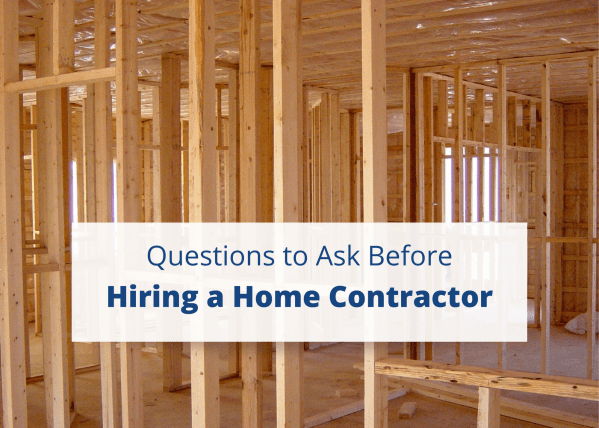
Questions to Ask Before Hiring a Home Contractor

Renovating your home is a big deal, and you and your home contractor must be on the same page for the most seamless possible process. That being said, picking the perfect contractor that understands you can seem like a challenging and scary task. It is essential that your home contractor know your needs and vision and actualize these items within your budget. Asking the right questions about your potential home renovation prior to signing any form of contract with them will make your home renovation process exciting and pleasant rather than stressful. These questions will also safeguard you and your home from fraudulent contractors and a home makeover disaster.

What Should I Ask First?

First and foremost, you should ask questions that provide more insight into the contractor’s credentials. Hiring a trustworthy and expert contractor can make all the difference in achieving your ideal remodeling experience – from communication with the contractor to the final product. It is crucial to ask about the prospective contractor’s experience, whether they are licensed, and the specifics of their insurance coverage. It is essential to inquire about the contractor’s insurance policy to ensure you and your family’s safety and protect the valuable items in your home. Contractors should be insured in the event that something in your home gets broken during the job.

Some initial questions that should be asked include:

  1. How long have you been working in this business?
  2. Do you have a contracting license?
  3. What type of insurance coverage do you have? For follow-up, you can ask to see their certificate of insurance. You could also ask about their worker’s comp policies.

The key is to look for clear, affirmative answers from the contractor. Long, round-about answers to your questions could signify that the candidate is not adequately qualified or adequately insured for the job. As with many jobs, it is also beneficial to ask the prospective contractor for references. References are particularly helpful when hiring a contractor because they can speak from their personal experience. Good questions to ask the references are about the contractor’s communication skills and adherence to the projected timeline.

Other Possible Questions:

  1. How often will you be on-site to supervise the progress of the job?
  2. Do you offer a guarantee for your work? If so, what is it?
  3. How frequently do you finish your projects on time?
  4. How do you plan to clean up at the end of each day?
  5. Where will you store your equipment and materials? Will you need to use space in my home for storage during the project?

There are careful considerations you should make before hiring a contractor to renovate your home, but the process doesn’t always have to be stressful. Have more questions about new projects? Contact us today!

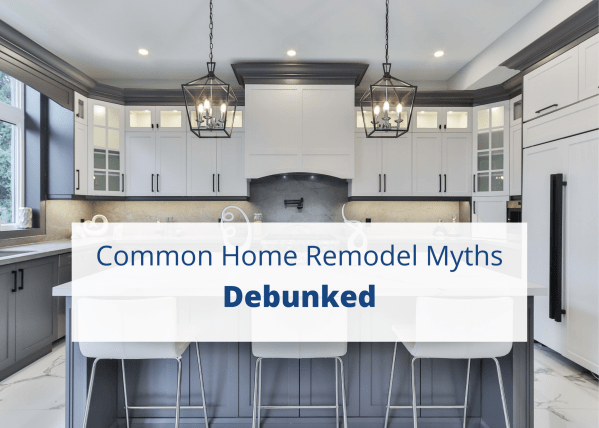
Common Home Remodel Myths Debunked

Home remodeling can be a daunting task, and common myths about the renovation process can even more so deter you from finally pulling the trigger on those renovations. However, spending time renovating your home can give it the refresh it needs and increase its overall value. Instead of wasting more time dreaming about installing new countertops or tearing apart that old bathroom, think about how you can make those dreams a reality. It’s time to debunk the three of the most common myths about home remodeling.

Myth 1: It is more expensive to hire a professional than to renovate your home yourself.

Homeowners are often under the impression that it will be less expensive if they take on remodeling projects like roofing replacements and kitchen renovations themselves. However, hiring a professional to supervise the project will typically save you time, money, and stress in the long run. There are many hidden expenses such as engineering, permits, and hiring technicians that are associated with remodeling and easy to overlook when taking on a project yourself. Contractors account for all of these factors when beginning a project, take responsibility for any issues that may occur during the remodeling process, and provide warranties on their work. While small home remodeling projects may be manageable to DIY, working with a professional on a large-scale renovation project will save you many headaches.

Myth #2: You’ll have to move out of your home until the remodeling is complete.

Homeowners are rarely required to move out while their home is under renovation. Contractors are used to working with limited space and accommodating occupants. The only time you would be asked to leave your home while renovations take place is if there are safety or structural issues. Professionals will often work with you to create a schedule so you will know when workers will be in your home.

Myth #3: Renovations will always take more time and money than planned.

If a project is properly researched and planned out, it should not take longer to complete than expected. It is important to account for some wiggle room in your projected timeline and cost in case each step does not go as planned and to ensure the project will not exceed your budget. Hiring a skilled professional to build a precise timeline and budget for your home remodeling will ensure that your renovations will be completed on schedule.

Getting started with renovations can be overwhelming. Have questions about remodeling? Our team is here to help, contact us today!

Create the Perfect Home Office

As more and more people opt to work from home these days, home offices have become an increasingly popular home addition. Having a space dedicated solely to work can increase productivity, establish a solid work-from-home routine, and help keep the boundary between work life and home life. Here are some tips on creating the perfect home office space.

Consider the Neccesities 

One of the most important steps in designing the perfect home office is assessing the electrical needs. You may need to invest in more power outlets or power strips to make sure all work-related devices can be properly set up. You should also consider the phone and internet connectivity of the space and make sure that any necessary wifi extenders or phone lines are installed. 

Another necessity in an office space? Comfort. Working from home means getting away from the fluorescent office lighting. Your space should be well lit with a bright desk lamp and ideally some natural light from a few windows to reduce eye strain from staring at a computer screen for hours at a time. 

Location 

The placement of your home office is another important factor to consider. Are there spaces in your home such as an extra bedroom, basement, or attic that aren’t being put to any use? A great place for a home office is in a location that is far away from busy parts of your home such as the kitchen or living room. If your home doesn’t have a ton of extra room, you could consider installing a dividing wall in a large room to break up the space. 

Design 

The design of office space depends on a lot of personal preferences. Do you work better in a minimalist, tidy space or a colorful one that drives creativity? What kinds of things are you prioritizing in your work from home life, comfort, function, or something else? If you’re starting from scratch by renovating an unfinished area into a home office, the space is a blank canvas. Interior design magazines and experts will help you settle on different elements of design. 

Installations 

You can maximize the potential of your space by installing office features such as a built-in desk, standing workstation, and extra storage space. Consider renovating to make the most of your square footage and add a unique style to your home office while adding value to your home. 

Conclusion 

Interested in renovating your house to make space for a home office? Contact us today with any questions!

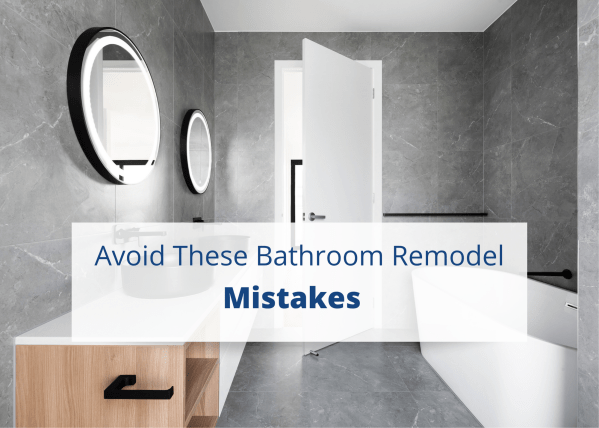
Avoid These Bathroom Remodel Mistakes

A bathroom renovation can be an expensive project. Whether you’re updating the entire space or just replacing a few outdated features, there are many common mistakes that homeowners make during the remodel process. When you know what to expect,  you’ll be able to plan ahead for common headaches and minimize stress during your bathroom remodel. Here are a few of the most common issues homeowners run into during a bathroom remodel.

Letting Water Out of the Shower

Showers that spray or leak water can be incredibly frustrating. The last thing you want to deal with in your finished bathroom is a soaked floor after every shower. That’s why it’s important to pay attention when you’re installing shower tiles. Make sure the tile is slightly sloped towards the drain so that all of the water from the shower is directed to the right place. Accounting for this common mistake could save you money in the future by preventing deterioration and water damage. 

Not Incorporating Enough Storage Space 

Another aspect of bathroom design that many people don’t consider is adequate storage space. While many like to include more space between fixtures, it’s important for your design not to be too minimalistic. Make sure you have enough space to store personal items, paper products, and linens. Make sure to be practical and include plenty of cabinets, closet space, and built-in nooks for storage. 

Failing to Plan Out the Details

Before you start the demolition process, it’s critical to map out a thorough replacement plan. The smallest of decisions, such as paint color or shower tile, shouldn’t be saved for the last minute. These details could end up having a huge influence on the aesthetics of your new bathroom. Planning out every detail meticulously will also make for a much quicker timeline. 

Cutting Corners On Plumbing 

Many big box stores and discount outlets offer cheap plumbing kits. While the initial reduced price may seem attractive, you should educate yourself on how opting for a cheap kit could cost you in the future. Oftentimes, plumbing fixtures from big box stores are made with low-quality plastic parts rather than metal. Most experienced plumbers will often refuse to install cheap plastic hardware. Specify plumbing for your project through a professional plumbing supply company.

Installing an Exterior Window in the Wrong Spot

While it should go without saying, you need to be careful when choosing the placement of a bathroom window (especially on the ground floor). There are builders that will recommend using a fan with an outside window as a backup method of ventilation, but make sure you are accounting for the view in and out of the bathroom. Keep in mind that bushes do wonders for privacy in the warmer months, but won’t be much help in concealing bathroom windows during the winter. 

Conclusion

Thinking about renovating a bathroom but don’t know where to start? We’d be happy to help, contact us today!

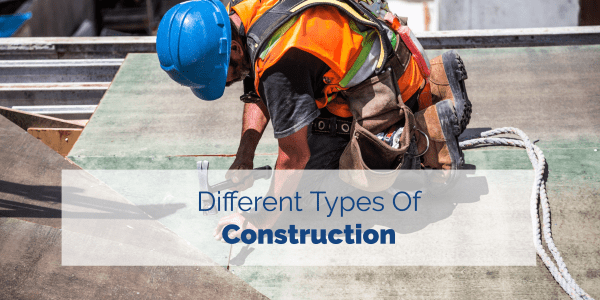
The Different Types Of Construction

There are many different types of construction that the building industry has to offer. From wood to steel, there is a type of building construction for every need. Depending on the location, environment, or risks such as high flood risks or wildfires, you’ll need to carefully go over the types of construction that your building could benefit from. 

Below, we review the five types of construction, as categorized by The International Building Code (IBC). These categories establish a basic level of safety for both occupants and property.

Type I: Fire Resistant

Type I is fire-resistive, offering the highest level of fire protection. This type of construction uses high-quality fireproof materials, such as poured concrete and insulated steel framing.

Type I-A building construction is often found in high-rise buildings and can withstand fire for up to 3 hours. Type I-B building construction is commonly found in mid-rise buildings and can combat fire for 2 hours.

Type II: Noncombustible

Type II construction uses noncombustible materials with 1-hour fire resistance. This type of construction is often found in new buildings and remodeled commercial structures.

Type II-A consists of protected noncombustible materials that can withstand fire for up to one hour. Type II-B is unprotected noncombustible construction, often found in commercial buildings.

Type III: Ordinary

Type III construction consists of walls constructed with fireproof materials such as brick, masonry, or concrete. Interior structures and the roof can be wood-framed.

Type III-A is protected combustible, also known as ordinary construction with brick or block walls and wood roof and floor. This offers 2-hour protection from fires for exterior walls and 1-hour protection for the structural frame, floor, and roof. Type III-B is unprotected combustible. The walls still offer 2-hour protection from fire, but there is no fire resistance for the structural frame, floor, and roof.

Type IV: Heavy Timber

Type IV construction is also known as mill construction, as it utilizes a large amount of lumber for structural frames and interior elements. Exterior walls consist of noncombustible materials with a 2-hour fire rating, while structural framing, roof, and the floor have a 1-hour fire rating.

Type V: Wood-Framed

Type V construction is made wholly or mainly of wood. This type of construction is common in many modern homes, with the walls and roof being made of combustible materials.

Type V-A is a protected wood frame with a 1-hour fire rating, and Type V-B is an unprotected wood frame that does not offer fire resistance.

Want to start a project with us? Get to know some of our skilled professionals and ask about our construction types that you might be interested in by clicking below!

Reasons To Build A New Home

Not sure whether building a new home is right for you? Let’s consider the benefits to building a new home. 

Here are some of the top reasons that building might be a good choice for you.

Want Something New

The idea of living in a home that wasn’t previously owned before sparks interest. Since all inspections are up to code when you move in, any surprises or unexpected repair jobs won’t be a concern. Your home will be equipped with all modern conveniences and will be truly ready to move in. 

Go Green

Incorporate smart home technology with new modern appliances and luminescent lighting. Adhering to all up-to-date codes, you can live environmentally-friendly which saves you money. With modern eco-friendly and energy-efficient features, take pride in going green. 

Specific To You

If you are someone who cares about keeping up with the latest design styles, building a new home is the best way to achieve this. It gives you the ability to customize it exactly to your needs and wants. You can design a floor plan that is specific to you and your lifestyle, customize aesthetic features tailored to your liking, and install any kind of walk-in closet, boudoir, or master bathroom your heart desires.

Live Where You Want 

You have the perfect home in mind, now you need the perfect location. Find an available plot of land, then build your dream house in your dream location. Imagine choosing between the kind of neighbors you’ll be inheriting or no neighbors at all. Give yourself more privacy by installing a fence around the property or remain completely isolated by utilizing a tree-lined environment. 

Choose Your Builder

Building a new home enables you to pick your own builder. If you do your research and pick a high-quality, professional builder, you can be rest assured that you’ll end up with a sturdy, well-built home. You’ll be entering an exclusive relationship dedicated to making your needs a priority. This requires building communication skills and being fully transparent with what you want. 

Don’t Rush Your Decision

Bidding wars can make you feel rushed when buying a home. If you want to take your time making a decision rather than rushing into a very expensive purchase, building property is the right choice for you. It’s a very slow paced process, and you’ll have full autonomy and final say. Not to mention this takes away competition. 

Conclusion

There are many perks to building a new home. A home is an expensive investment and building is the best way to ensure you get exactly what you want. It’s important to be carefully detailed with what you and who you’re working with. When presented with tile or hardwood floor options, be sure to take your time. 

Want to learn more about home construction?

First Time Homebuyers in the Market for New Construction

Over the past year, the buyer’s market has been extremely competitive in many markets across the US, due in part to low inventory. With a limited number of properties being listed for sale, it makes sense that more buyers are turning toward new construction. 

Take a look at the results from recent surveys from the National Association of Home Builders in regards to new construction and first time home buyers:

First Time Homebuyers considering New Construction

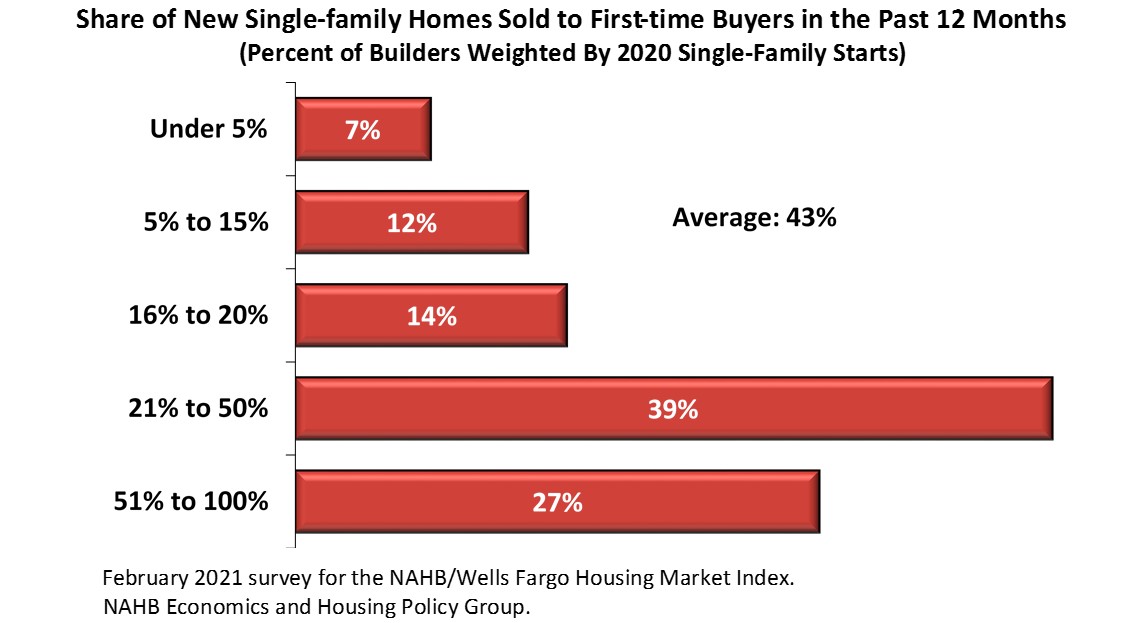
The NAHB/Wells Fargo Housing Market Index (HMI) is a monthly survey of the National Association of Home Builder members, designed to rate the market conditions for the sale of new homes and the traffic of prospective buyers of new homes.

The February 2021 survey showed that builders reported an overall average of 43% of new construction sold to first-time home buyers. Sixty-six percent of builders said that more than 20% of their homes were sold to first-time buyers. 

An Upward Trend

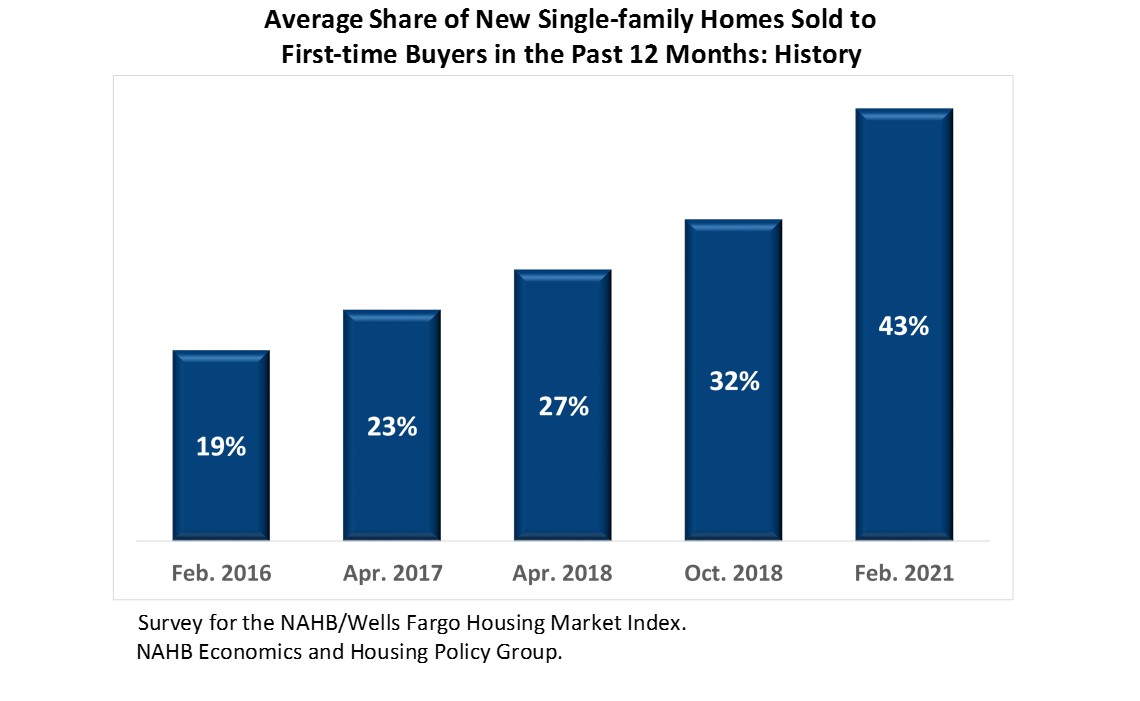
The number of first-time buyers who purchase new construction has steadily increased over the past five years. In 2016, an average of 19% of sales of new homes went to first-time home buyers. The number grew to 32% in October 2018 and jumped to 43% in February 2021. This shows that every year, more first-time buyers are considering new construction.

Website Built with WordPress.com.

Up ↑